
Last updated November 21, 2026
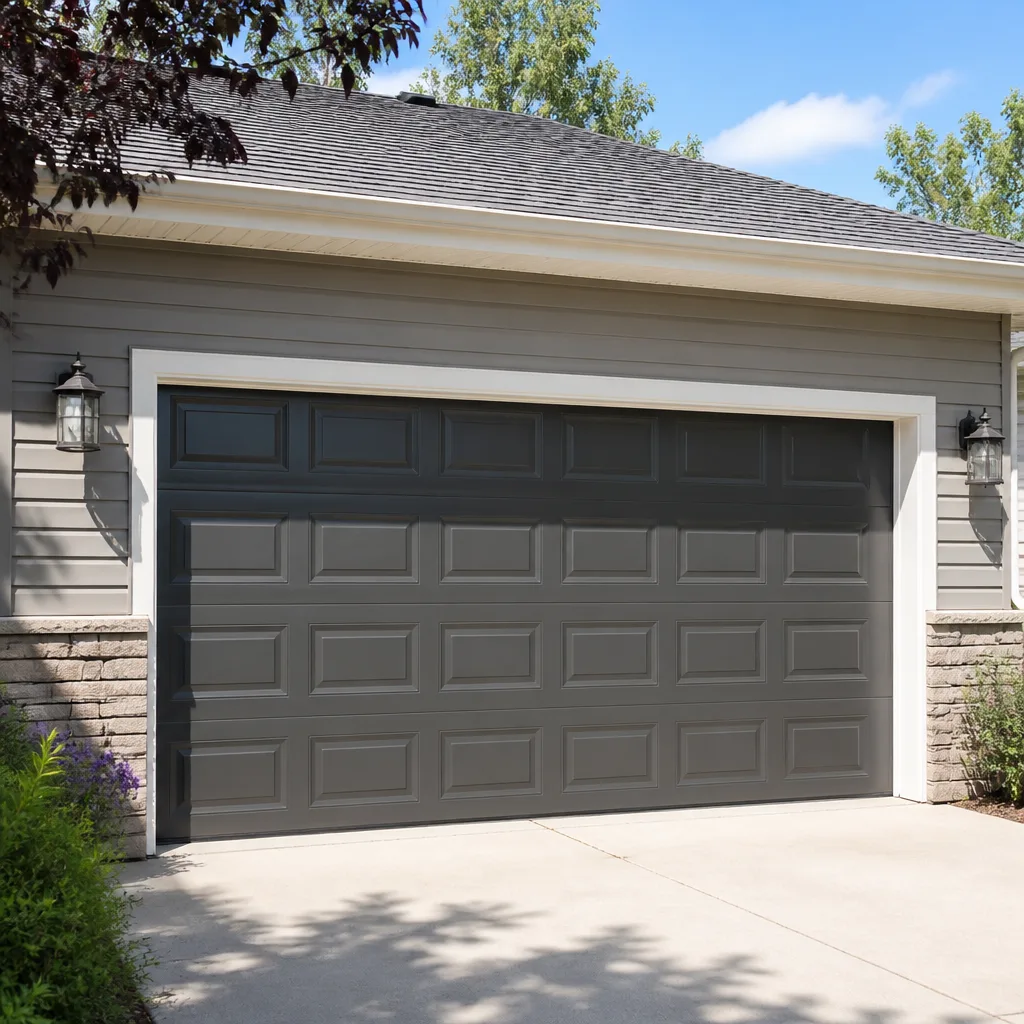 Raised-panel steel
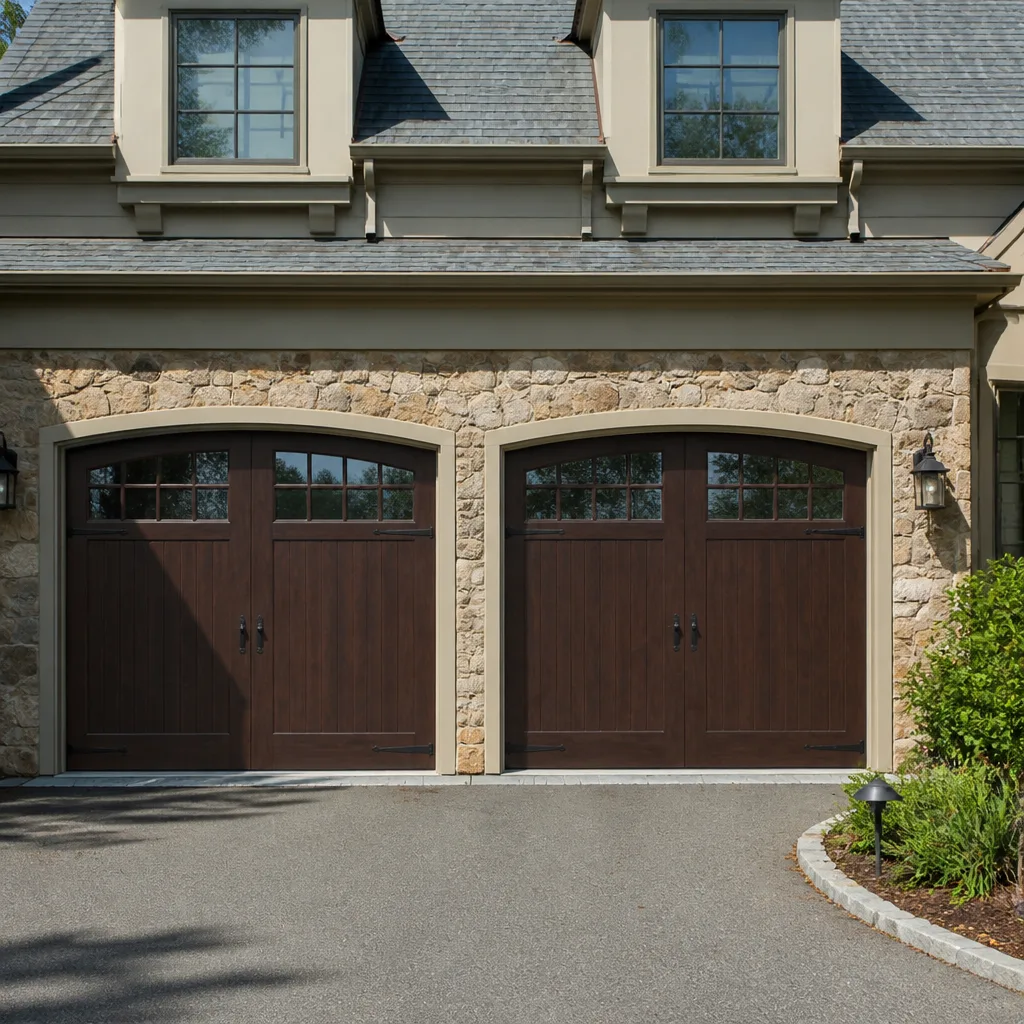 Carriage house
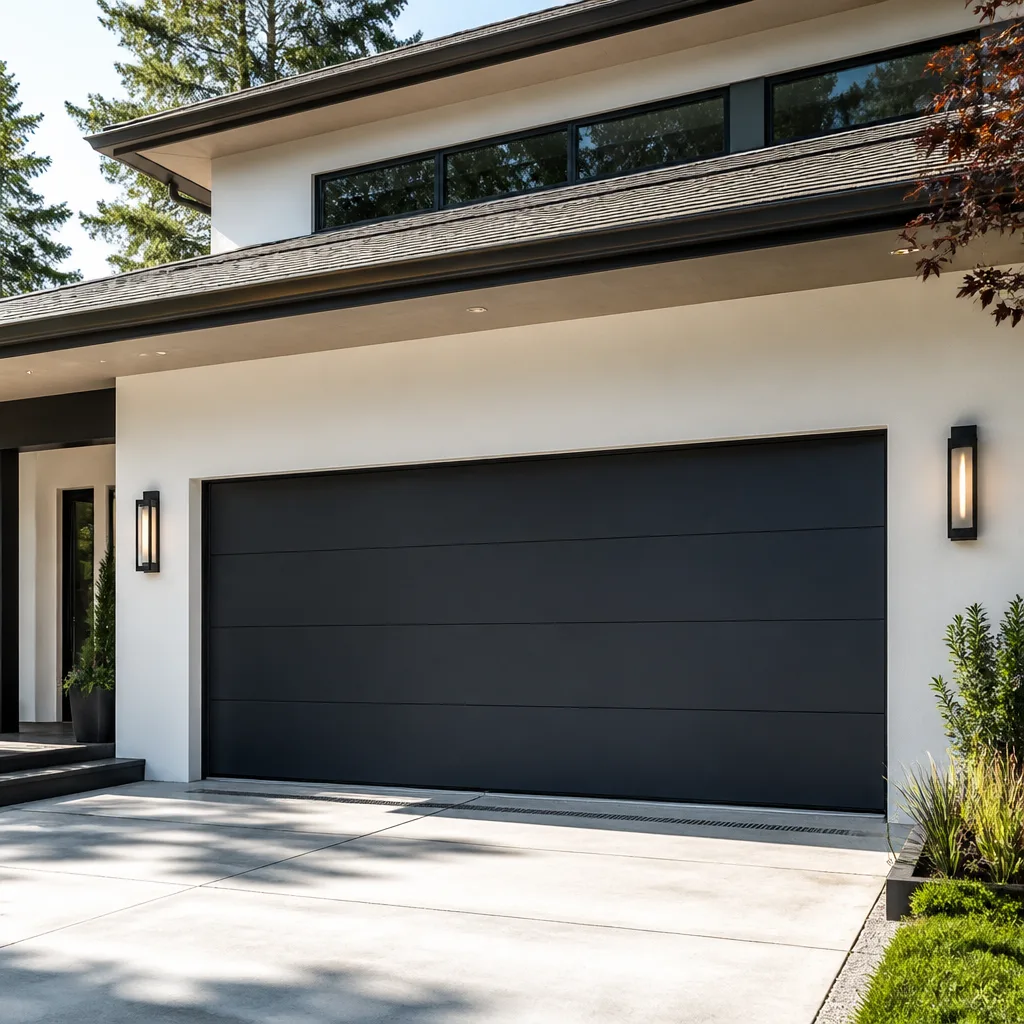 Modern flush
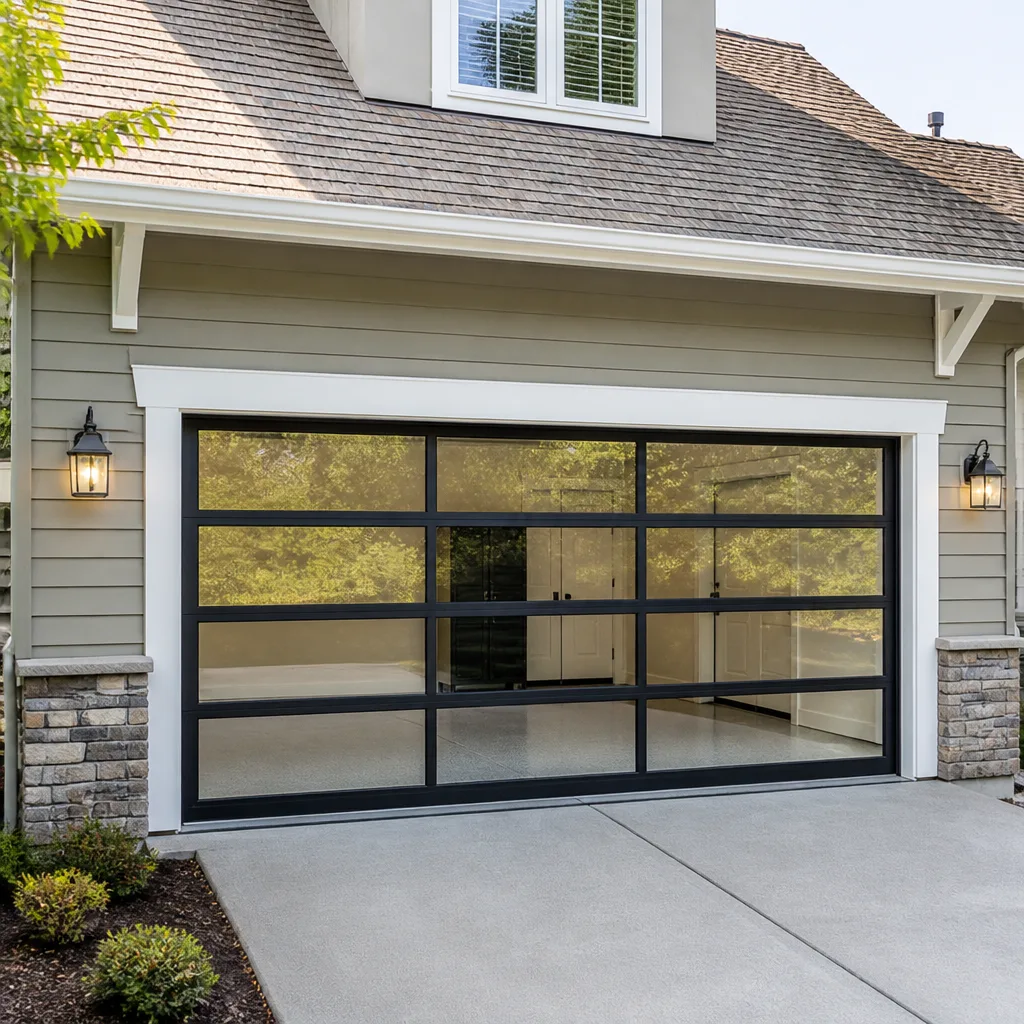 Full-view glass
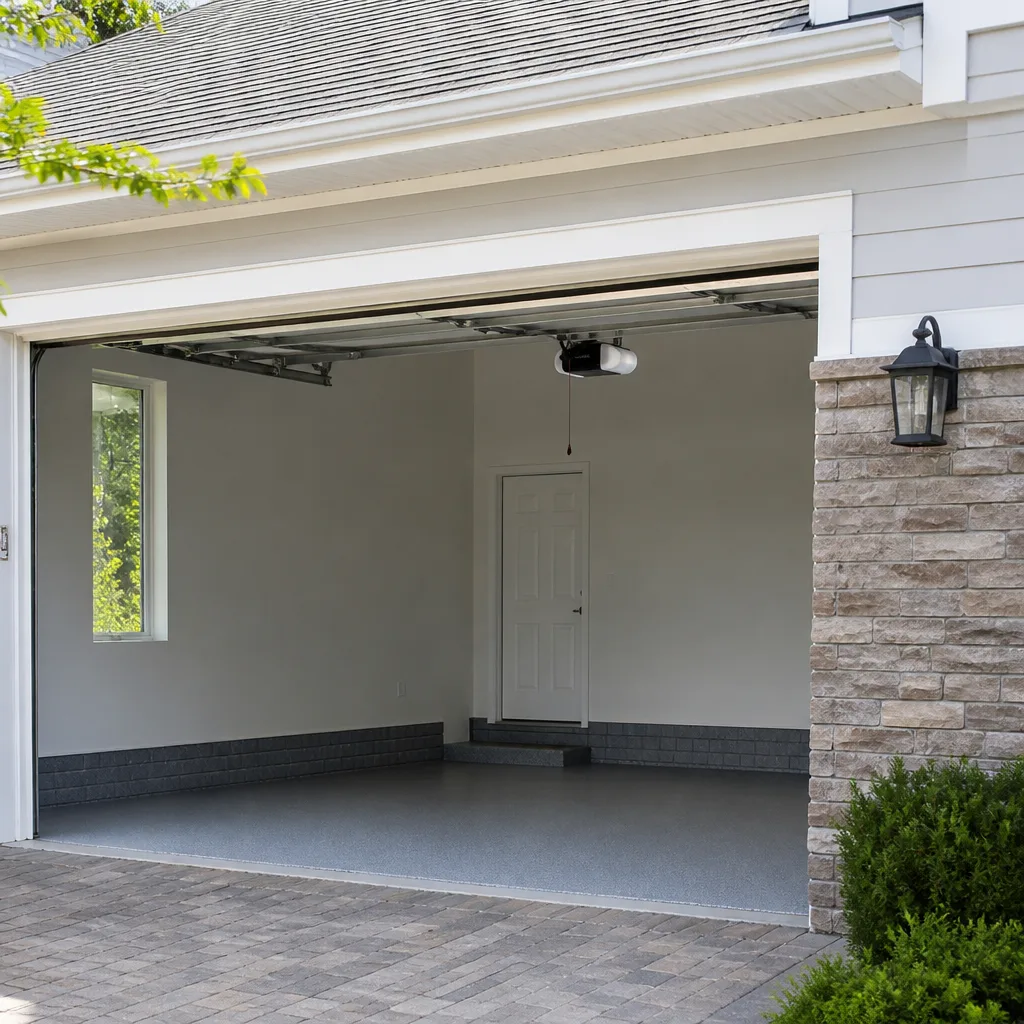 LiftMaster openers
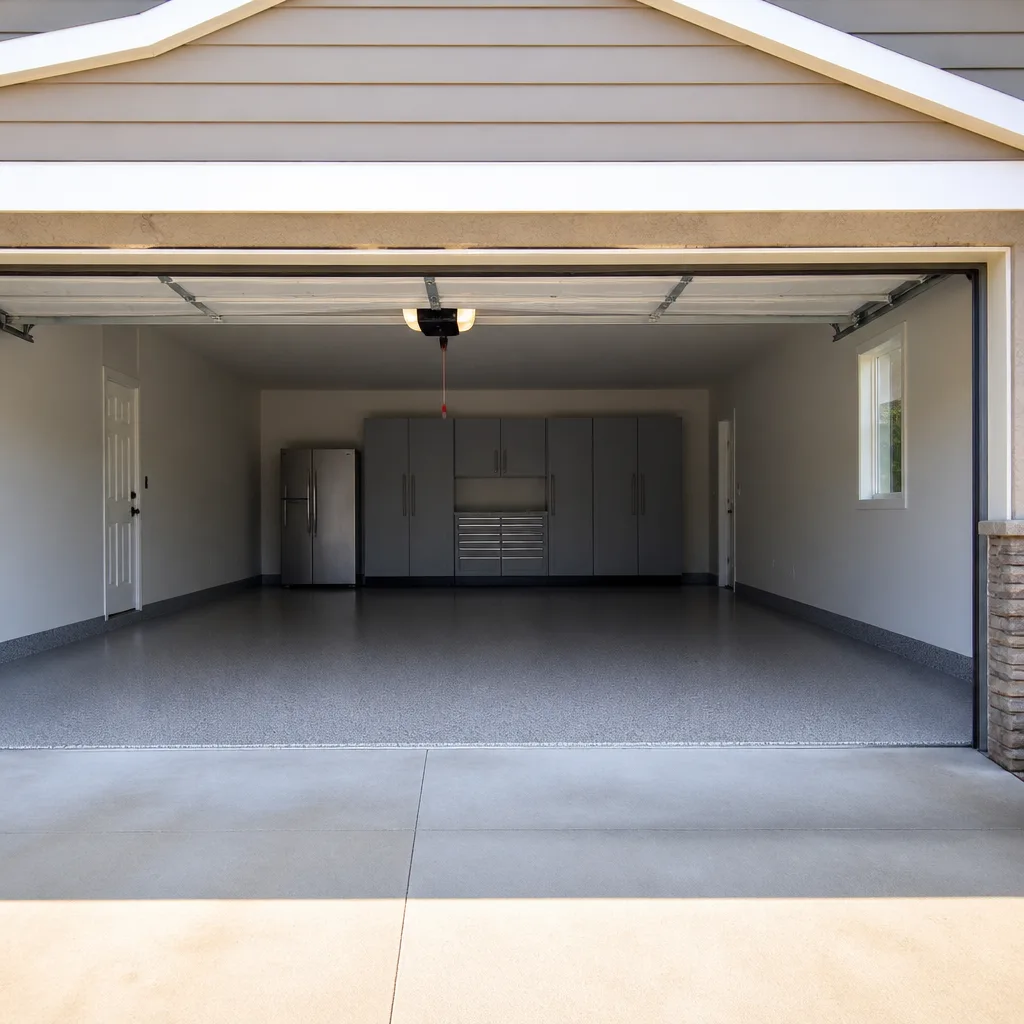 Chamberlain openers
Full 25-point door and opener safety check with every visit - springs, cables, rollers, tracks, and your LiftMaster or Chamberlain opener included
You get a price before we start. It does not change when the pro arrives.
Get your free estimateChoosing the Right Garage Door Brand: A Buyer’s Guide for Spring Branch
Most “best garage door brand” lists are written as if every homeowner lives in the same climate. They aren’t, and you don’t. A brand that performs beautifully in Minnesota may not be the smartest pick for a garage in Spring Branch, where months of heat and humidity do very different things to steel, insulation, and hardware than a cold, dry winter does. The brand that wins on a national ranking isn’t always the brand that keeps your door moving smoothly through a Texas summer. This guide gives you a real decision framework: what to weigh, what to ask, and which factors matter in Spring Branch specifically. You’ll leave knowing how to compare brands like a technician, not a shopper.
Quick Answer
For most Spring Branch homeowners, the best garage door brand is the one with strong corrosion resistance, insulation rated for sustained heat, and same-day parts availability from local distributors, not necessarily the most expensive name. In practice that often means a well-supported mid-tier or premium steel door from a brand like Clopay or Amarr paired with an opener from LiftMaster, Chamberlain, or Genie. Brand prestige matters far less than whether your specific door and opener can be serviced quickly here in Spring Branch when something fails.
Styles & brands we work with
- Raised-panel steel
- Carriage house
- Modern flush
- Full-view glass
- LiftMaster openers
- Chamberlain openers
Table of Contents
- What Actually Matters in the Houston Climate
- Side-by-Side: The Leading Brands Compared
- Why Parts Availability Beats Brand Prestige
- Steel Gauge and R-Value in Spring Branch Heat
- The Opener Brand Question: Compatibility Matters
- What a “Lifetime Warranty” Really Covers
- A Step-by-Step Brand Selection Process
- Common Mistakes to Avoid
What Actually Matters in the Houston Climate
Sustained heat and humidity change the way a garage door behaves, and those changes should drive your brand choice more than any showroom finish does. Spring Branch sits in a climate where summer temperatures stay high for months and moisture hangs in the air, so the practical questions become corrosion, insulation, and how well a door holds its shape and movement over years of that cycle. That’s the lens we use when we help a homeowner compare brands, and it’s the lens this guide is built around.
Here’s the short list of the criteria that genuinely separate brands in this part of Texas:
- Corrosion resistance. Steel hardware, hinges, rollers, and fasteners are the first things to show rust in a humid climate. Brands that use galvanized or coated hardware last longer here than brands that don’t, regardless of how the door face itself is finished.
- Insulation performance in heat. An insulated garage door does more than keep the garage cooler. It reduces heat gain into an attached house and helps a garage used as a workshop or gym stay usable. The R-value on the label tells you how much resistance to heat flow the door provides.
- Panel stability. Doors that flex or warp under heat stress tend to bind, rub, and wear out hardware faster. Steel gauge and panel construction determine how well a door holds its shape.
- Parts availability. When a spring snaps, a roller seizes, or an opener sensor fails, the brand with local parts access gets you working again fastest.
- Opener compatibility. Your door brand and opener brand need to work together, and some pairings require proprietary parts that complicate service later.
Notice what’s not on that list: brand prestige. That one deserves its own section, because it’s where buyers most often go wrong.
Side-by-Side: The Leading Brands Compared
No single brand wins on every criterion, and a fair comparison separates the door makers from the opener makers, since they solve different problems. Here’s how the names you’ll see most often in Spring Branch homes tend to stack up on the factors that matter in this climate. This is a practical comparison, not a ranking, because the right pick depends on your door’s exposure, your budget, and which opener you’re running.
Door Brands: Clopay, Amarr, Wayne Dalton
Clopay builds a wide range of steel and insulated doors and is one of the most commonly installed residential brands, which helps with parts familiarity. Their insulated models are popular in this region because they take the edge off summer heat gain. Amarr is known for solid steel construction and a broad lineup of styles, with insulation options that suit a hot climate. Wayne Dalton covers everything from basic steel doors to insulated models, and their hardware is widely recognized by technicians, which keeps service straightforward. All three are strong choices; the difference that matters most locally is how fast your specific model’s parts can be sourced.
Opener Brands: LiftMaster, Chamberlain, Genie
On the opener side, LiftMaster, Chamberlain, and Genie are the names we work on most often, covering both modern Wi-Fi-enabled systems and older legacy units. LiftMaster and Chamberlain are closely related in design, which means many parts and accessories cross over. Genie units have their own design language and their own keypad and remote systems. Craftsman openers, sold for years through a national retailer, are still common in older Spring Branch homes and use their own mounting and rail parts.
The takeaway from this comparison: pick your door brand for corrosion resistance, insulation, and parts access, and pick your opener brand for serviceability and smart-home features. Then make sure the pairing doesn’t lock you into proprietary parts, which we’ll cover shortly.
Why Parts Availability Beats Brand Prestige
A premium brand with slow regional distribution can leave your door stuck far longer than a mid-tier brand with same-day local stock. That’s the single most counterintuitive fact in this guide, and it’s the one that catches homeowners most often. Brand prestige is a marketing feature. Parts availability is an operational reality. When a door won’t move, the question isn’t which name is on the panel; it’s how fast the specific hinge, roller, bearing, or spring can be in a technician’s hands.
In a humid climate this matters even more, because the components that fail first are often the cheap, moving hardware components rather than the door face itself. Rollers seize. Hinges stiffen. Springs fatigue. The faster those parts can be replaced, the shorter your downtime and the less strain the opener takes in the meantime.
Here’s how to evaluate parts availability before you buy:
- Ask which parts are model-specific. Springs, hinges, and rollers are often shared across many models, but some door and opener combinations use proprietary brackets, rails, or end plates.
- Ask how fast a specialty part can be sourced. A common part that any technician keeps on hand is worth more than a rare part that takes a week to order.
- Confirm the brand is widely recognized by local technicians. A brand most technicians have serviced before is easier to diagnose and repair than an obscure import.
- Check whether the opener uses standard remotes and accessories. Openers that use proprietary remotes complicate replacement and add cost later.
This is exactly why we stock and sell garage door parts directly. It means faster same-visit repairs across the eight major brands we work on, without waiting on a third-party order. When we’re at your door and a roller or hinge is worn, we can often fix it the same visit rather than scheduling a return trip.
Steel Gauge and R-Value in Spring Branch Heat
Two specifications drive more decisions in this climate than anything else on a door’s spec sheet: steel gauge and insulation R-value. Steel gauge describes the thickness of the steel, where a lower gauge number means thicker steel. Thicker, better-formed steel resists denting and holds its shape under heat stress, which keeps panels aligned and hardware from binding. Insulation R-value describes resistance to heat flow; higher R-value means less heat moves through the door.
Why does that matter in Spring Branch specifically? Because a garage on a south- or west-facing wall absorbs heat for hours through the hottest part of the day. A non-insulated steel door transmits that heat into the space almost as fast as the sun delivers it. An insulated door slows it down. If your garage shares a wall with the house, or if you use it as a workroom, an insulated door keeps that space usable and reduces the heat load spilling into the rest of your home.
R-value isn’t just a number to chase upward. The useful question is what the added insulation buys you in a real Spring Branch garage:
- Lower heat gain during long summer afternoons, keeping a south-facing garage noticeably less brutal.
- Less condensation on cold metal in humid months, which protects hinges, springs, and decorative hardware.
- Quieter operation, because the insulated core also dampens sound.
- Better structural stiffness, since insulation often comes in a bonded panel that resists heat-driven warping.
A moderate R-value paired with correct installation and good seals will outperform a high R-value on a door that’s fitted poorly. Don’t buy insulation by the number alone. Think about how the door is built and installed. Our garage door installation work is scheduled with a free measure and a written price, so you know exactly what’s going in before the door is ordered.
The Opener Brand Question: Compatibility Matters
Opener brand and door brand compatibility is the part of the decision most buyers overlook, and it’s where proprietary parts quietly complicate future service calls. The opener lifts the door, but the two systems need to be matched in ways that aren’t obvious on a spec sheet. A heavy insulated door needs an opener rated for the door’s weight and travel. A smart opener needs a door that moves smoothly. And some openers use proprietary mounting, rails, or accessories that only that brand makes, which matters when a part fails.
Here’s how compatibility shakes out in the combinations you’ll actually see in Spring Branch homes:
- LiftMaster and Chamberlain openers share much of their design, so many parts and accessories cross over. That’s convenient, but confirm the exact model before you assume a part will fit.
- Genie openers use their own remotes, keypads, and rail systems, so replacement parts need to be Genie-specific.
- Craftsman openers, common in older homes, have their own parts ecosystem. A technician who knows the brand can usually diagnose them quickly, but the specific model matters.
- Modern Wi-Fi openers add app-based control and notification, but they still depend on standard safety sensors and a door that moves freely.
The practical rule: pick a widely serviced opener brand, keep the door and opener models documented, and ask before you buy whether the pairing requires any proprietary parts. If you’re troubleshooting a failed unit right now, our garage door opener repair work covers both modern and legacy systems, and we’ll tell you plainly whether repair or replacement makes more sense for your model.
What a “Lifetime Warranty” Really Covers
A “lifetime warranty” on a garage door rarely covers everything for the life of the door, and the carve-outs in the terms are where the real cost of ownership lives. Most homeowner expectations assume the word “lifetime” means the whole assembly is protected. In practice, warranties are usually split by component, with different terms for the door sections, the hardware, and the finish. Understanding what’s actually covered before you buy is worth more than any marketing headline.
The carve-outs that matter most in a high-humidity climate:
- Hardware and finish are often on shorter terms. Hinges, rollers, and springs typically fall under a shorter warranty than the door panels themselves. In a humid climate, these are the components that wear fastest, so their coverage matters most.
- Finish fade and cosmetic wear are frequently excluded or limited. Read the finish terms carefully, because heat and humidity can age a finish faster than a cold-climate warranty assumes.
- Labor is usually separate. The warranty may cover a replacement part but not the labor to install it, which is a real consideration on any repair.
- Proper installation is usually required. Many warranties require professional installation and exclude failures caused by installation error, which is why the installer you choose affects your coverage.
Ask for the actual warranty document before you buy, not a summary on a brochure. Check the terms for panels, hardware, finish, and labor separately, and confirm whether the coverage transfers if you sell the house. Warranties are a fair guide to which brands stand behind which components, but they don’t replace good installation and reasonable maintenance.
A Step-by-Step Brand Selection Process
Work through the decisions in order and the brand choice mostly makes itself. Here’s the sequence we’d follow if we were choosing a door for a Spring Branch home. It starts with the garage itself and ends with a written quote, so nothing is left to guesswork.
- Assess the exposure. South- and west-facing garages take heat and sun. If your garage shares a wall with the house or you use it as a workspace, plan for an insulated door.
- Set a realistic budget range. Get a free measure and a written price for a few options at different price points, so you can compare value like-for-like.
- Pick the door brand on parts access. Confirm your chosen model’s specialty parts can be sourced locally and within a reasonable time. Favor brands that are widely serviced.
- Choose an opener brand you can get serviced. Go with a brand a local technician works on routinely, and check the door’s weight is within the opener’s rating.
- Check the warranty terms per component. Look at panels, hardware, finish, and labor individually, and confirm installation requirements.
- Confirm the installation. Ask who installs, whether the job is measured and scheduled, and that the price is quoted and agreed before any work starts.
- Keep the models documented. Write down the door and opener model numbers in a home file so future parts searches are fast.
If your current door is failing and you just need it working again, that’s a different call. For that, start with garage door repair, where same-day service is available and the estimate is free.
Common Mistakes to Avoid
- Buying on brand prestige alone. A premium brand with slow local parts access can mean a longer wait than a mid-tier brand that’s stocked locally. Ask about parts before you’re impressed by the label.
- Ignoring humidity and corrosion. In Spring Branch, the hardware is what fails first. Rollers, hinges, and fasteners that aren’t corrosion-resistant will wear out faster in humid air, so check the hardware, not just the door face.
- Skipping insulation on a south-facing garage. A non-insulated door on a sunny wall turns a usable garage into a sauna. If your garage is used or shares a wall with the house, an insulated door earns its price.
- Mixing brands carelessly. Door and opener brands need to be compatible, and some pairings require proprietary parts. Confirm the pairing before you buy, or you’ll pay for it later.
- Reading a warranty headline instead of the terms. “Lifetime” rarely covers hardware and finish for as long as you think. Ask for the document and read the carve-outs.
- Choosing an obscure brand with no local servicer. A door or opener that local technicians don’t recognize is harder to diagnose and may need parts ordered from far away. Stick to brands that are widely recognized.
- Assuming the cheapest quote is the best value. A low price on a door that’s poorly fitted or unsupported by parts access costs more over time. Compare quotes like-for-like, with the same measure and scope.
See the difference
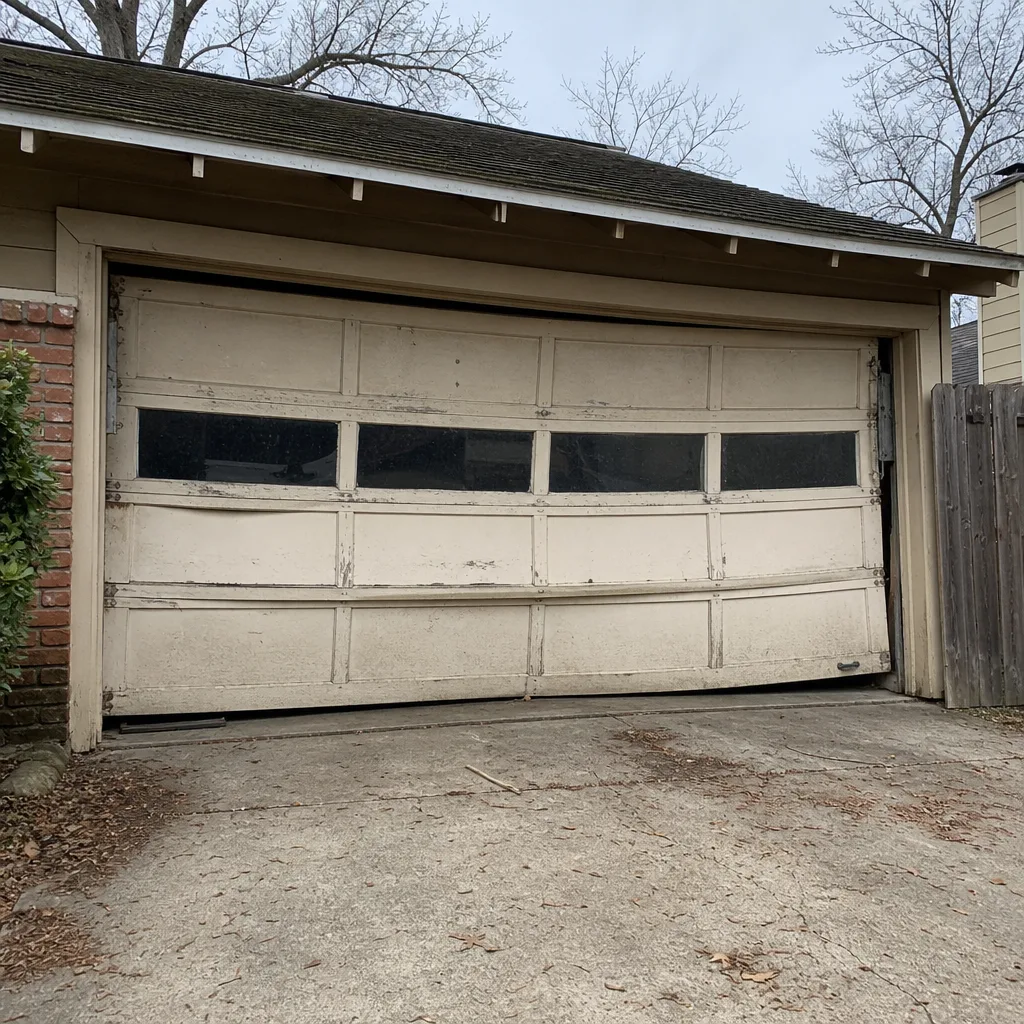 Before
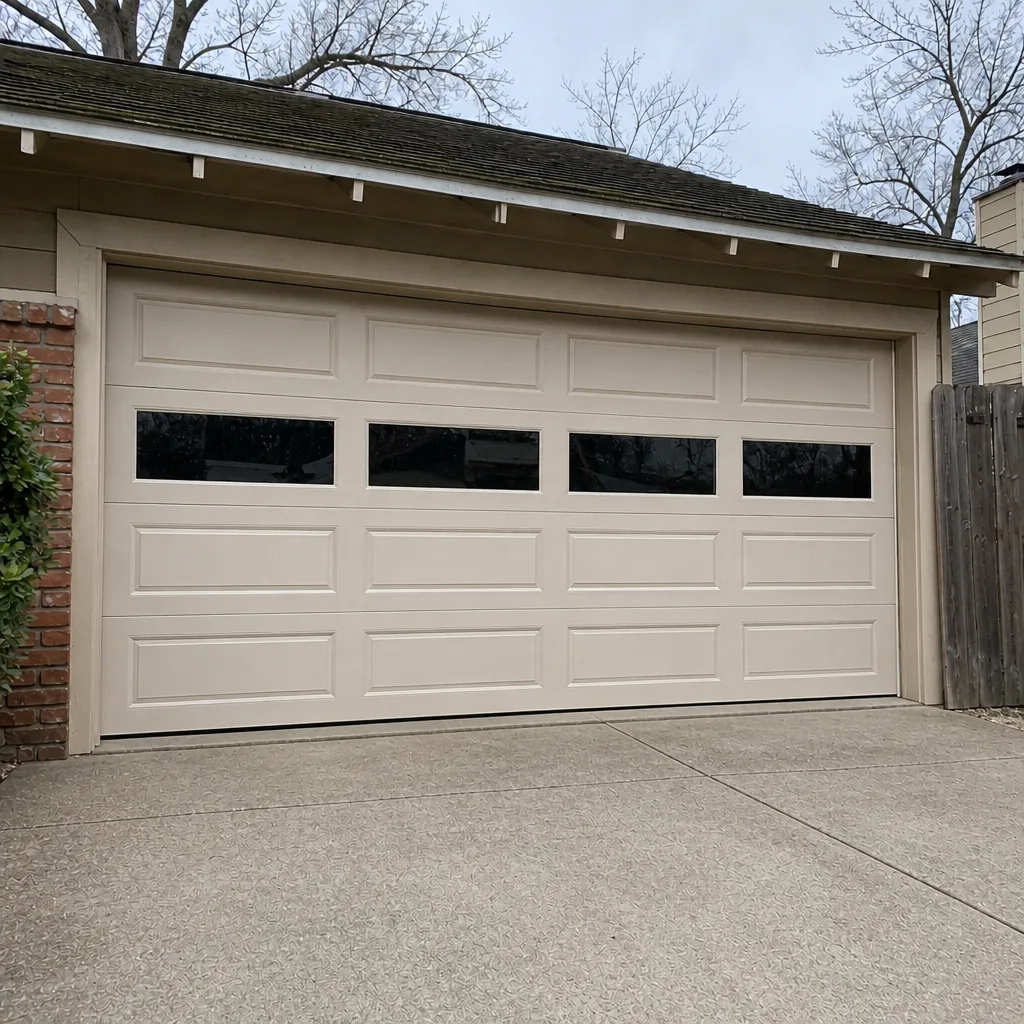 After
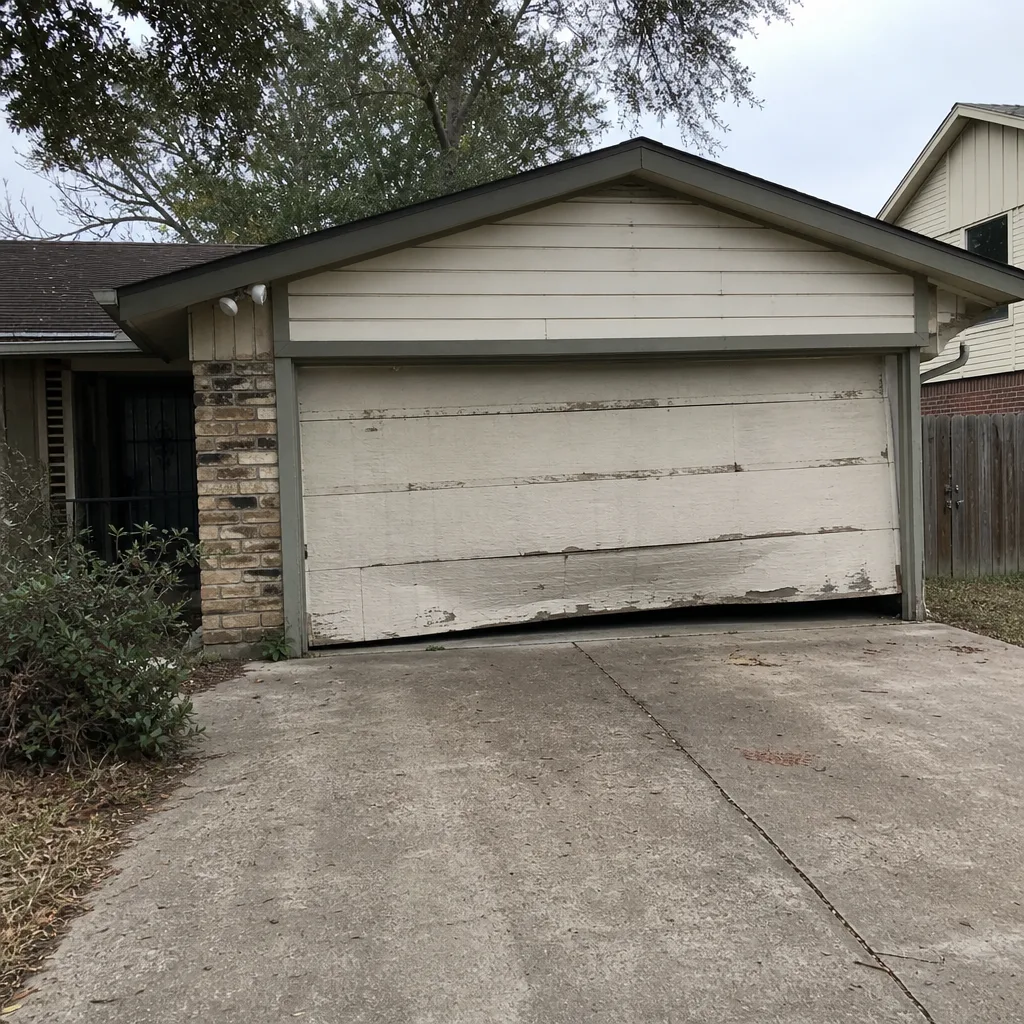 Before
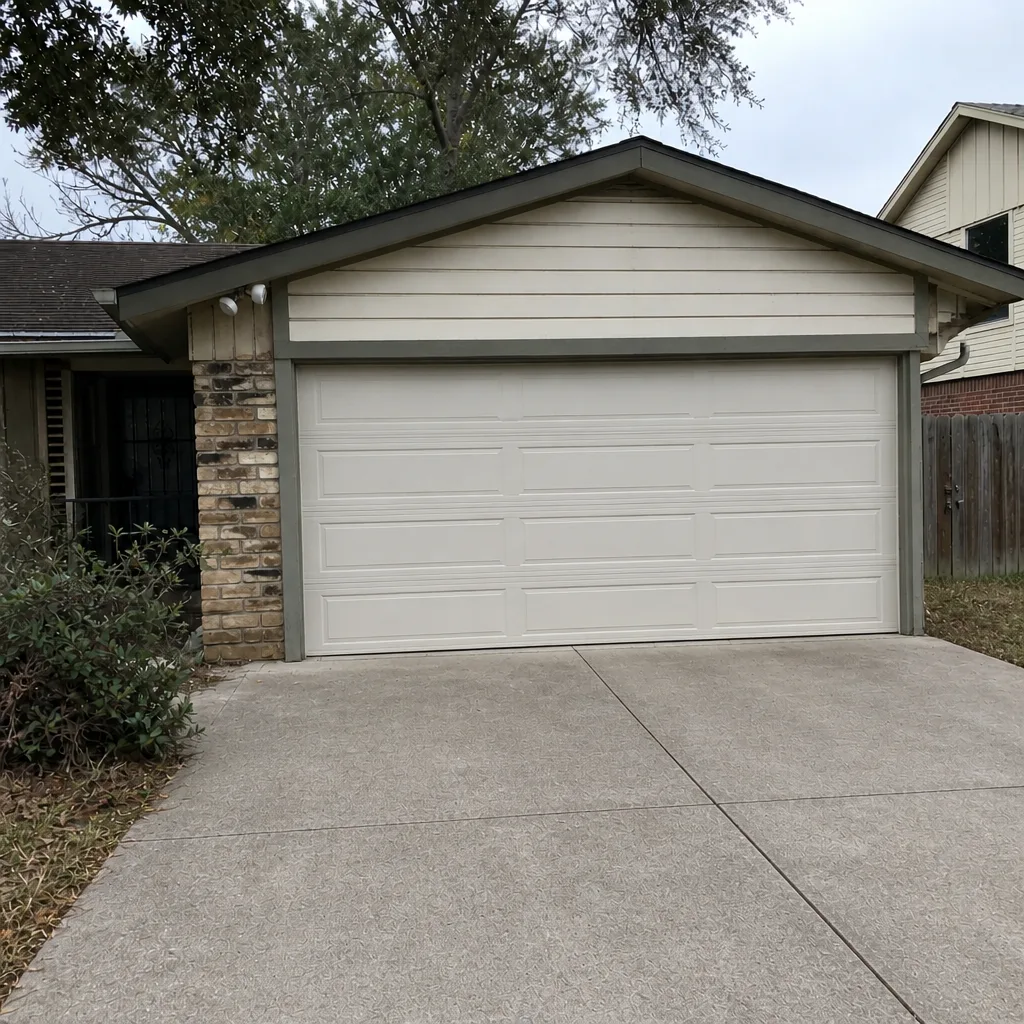 After
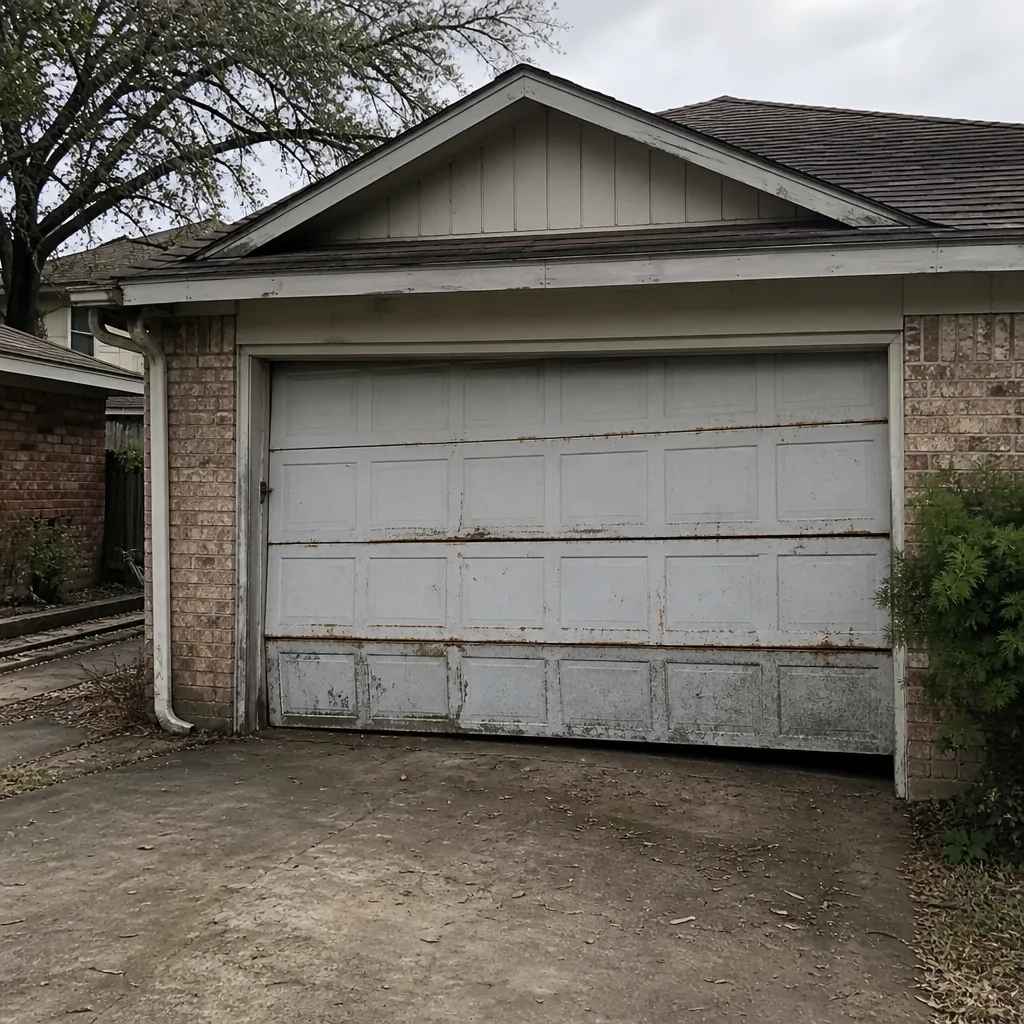 Before
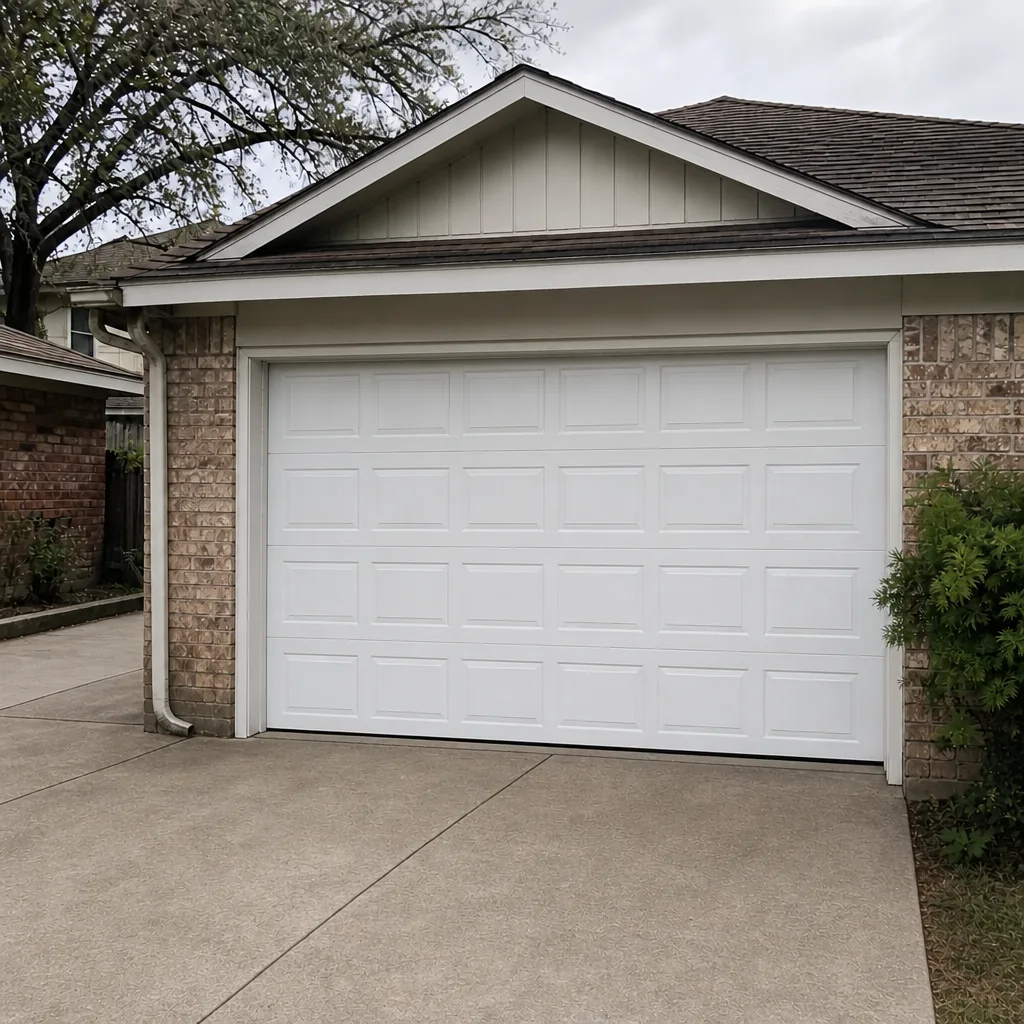 After
When to Call a Professional
Some decisions in this guide are safe to make on your own, and some aren’t. If your door has snapped a spring, come off its track, or a cable has broken, keep everyone clear of the door and call a trained technician. Torsion and extension spring work is the most dangerous job in this trade and the most commonly mishandled, and it’s not a job for a general handyman or a weekend attempt. If your door is simply slow, noisy, or starting to sag, it still makes sense to have a technician diagnose the cause before it forces an emergency. And if you’re planning a new door, a professional measure and a written price before you order is how you avoid a sizing mismatch. Spring Branch Garage Door Repair offers free estimates in Spring Branch. Call (844) 660-0146. We answer 24/7. Fast dispatch from 7am to 7pm, Sunday through Friday.
Frequently Asked Questions
For most Spring Branch homes, the best brand is the one with corrosion-resistant hardware, insulation suited to heat, and fast local parts access rather than the biggest name. Clopay, Amarr, Wayne Dalton, and the other major door brands we service can all be strong picks when fitted and supported properly. The right answer depends on your garage’s exposure, your budget, and which opener you’re running. Call (844) 660-0146 for a free estimate and we’ll help you compare options like-for-like.
Compare the brands on parts access and hardware quality first, then on price. A mid-tier door with widely stocked parts and corrosion-resistant hardware often serves a Spring Branch home better than a premium door with slow specialty parts. The premium brand earns its cost when it offers genuinely better construction and finish, not just a name. Call (844) 660-0146 and we’ll walk you through what each option includes.
Yes, opener brand matters for serviceability and compatibility, even though it plays a different role than the door. LiftMaster, Chamberlain, Genie, and Craftsman cover the vast majority of residential openers, and a brand a local technician services routinely is easier to repair. Some opener-door pairings require proprietary parts, so check the combination before you buy. If your opener has failed, call (844) 660-0146 for a free estimate.
An insulated door is worth it if your garage faces south or west, shares a wall with the house, or is used as a workroom. Insulation slows heat gain through the long summer afternoons and reduces condensation on the hardware in humid months. On a shaded, detached garage that nobody uses, it’s less important. Call (844) 660-0146 for a free measure and we’ll recommend an R-value for your garage’s exposure.
Common parts like rollers, hinges, and standard springs are usually fast to source because they’re widely stocked, while model-specific parts can take longer depending on the brand. That’s why local parts access matters more than brand prestige. We stock and sell garage door parts directly across the eight major brands we work on, so many repairs happen on the same visit. Call (844) 660-0146 for a free estimate.
A new door installation is measured, ordered, and scheduled rather than done the same day. Your door and opener are measured first, then the installation is booked once the equipment arrives. The price is quoted and agreed before any work starts, so there are no surprises at the end. Call (844) 660-0146 for a free estimate on a new door and opener pairing.
The Bottom Line
The right garage door brand for a Spring Branch home is the one that holds up to sustained heat and humidity, that a technician can get parts for quickly, and that pairs cleanly with an opener you can service. Brand prestige is the least useful of those criteria, and it’s the one most buyers lean on hardest. Pick your door for corrosion resistance and insulation, pick your opener for serviceability and compatibility, read the warranty’s carve-outs, and get a free measure and a written price before you order. If you need a repair today, one call covers it all, from springs to openers to parts. Contact Spring Branch Garage Door Repair at (844) 660-0146 for a free estimate.
Written by the team at Spring Branch Garage Door Repair.