
Last updated November 21, 2026
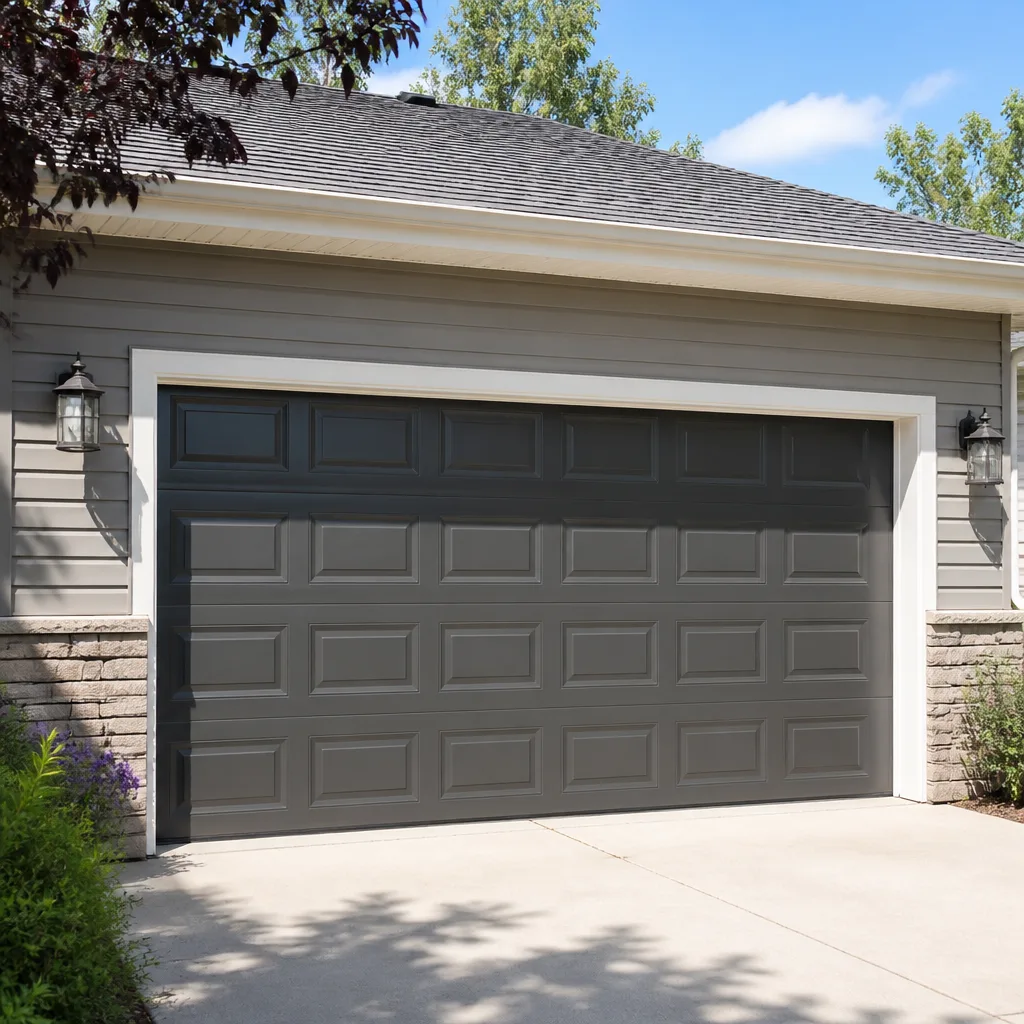 Raised-panel steel
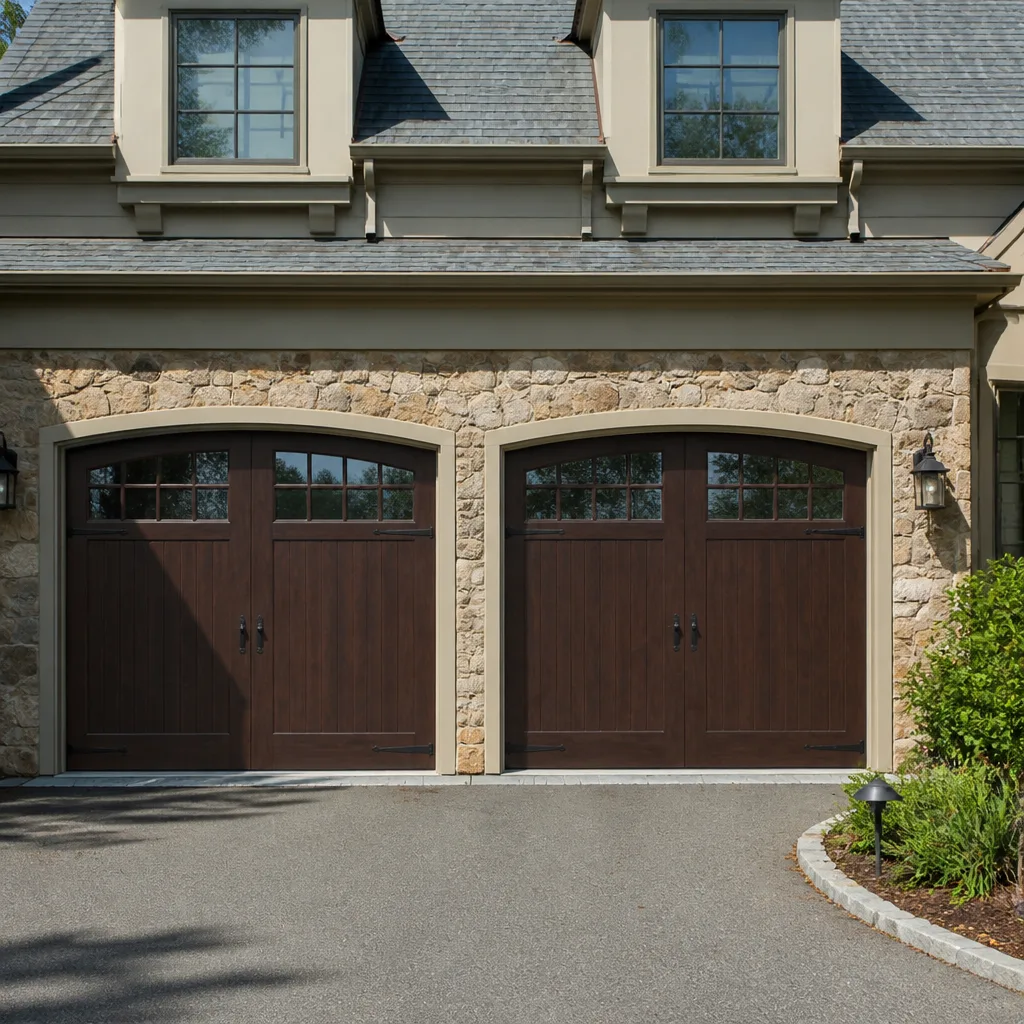 Carriage house
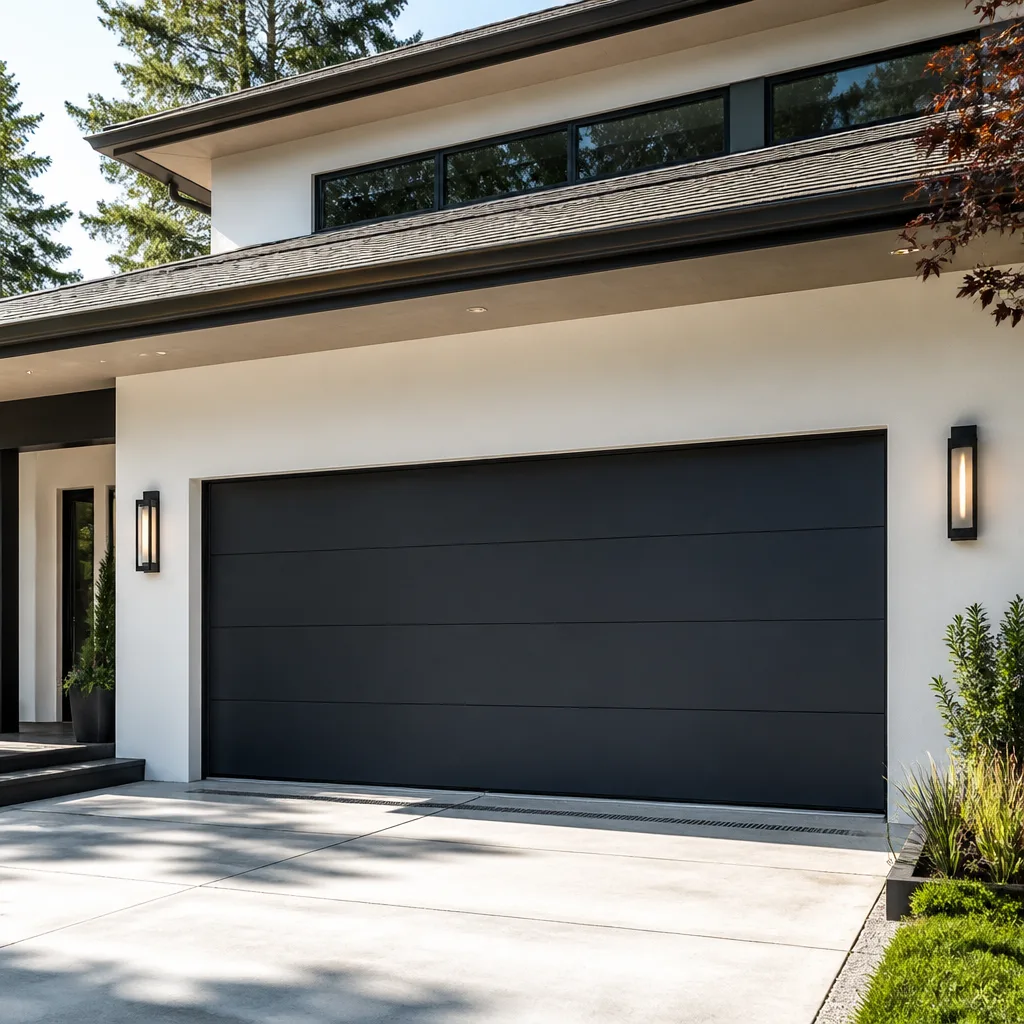 Modern flush
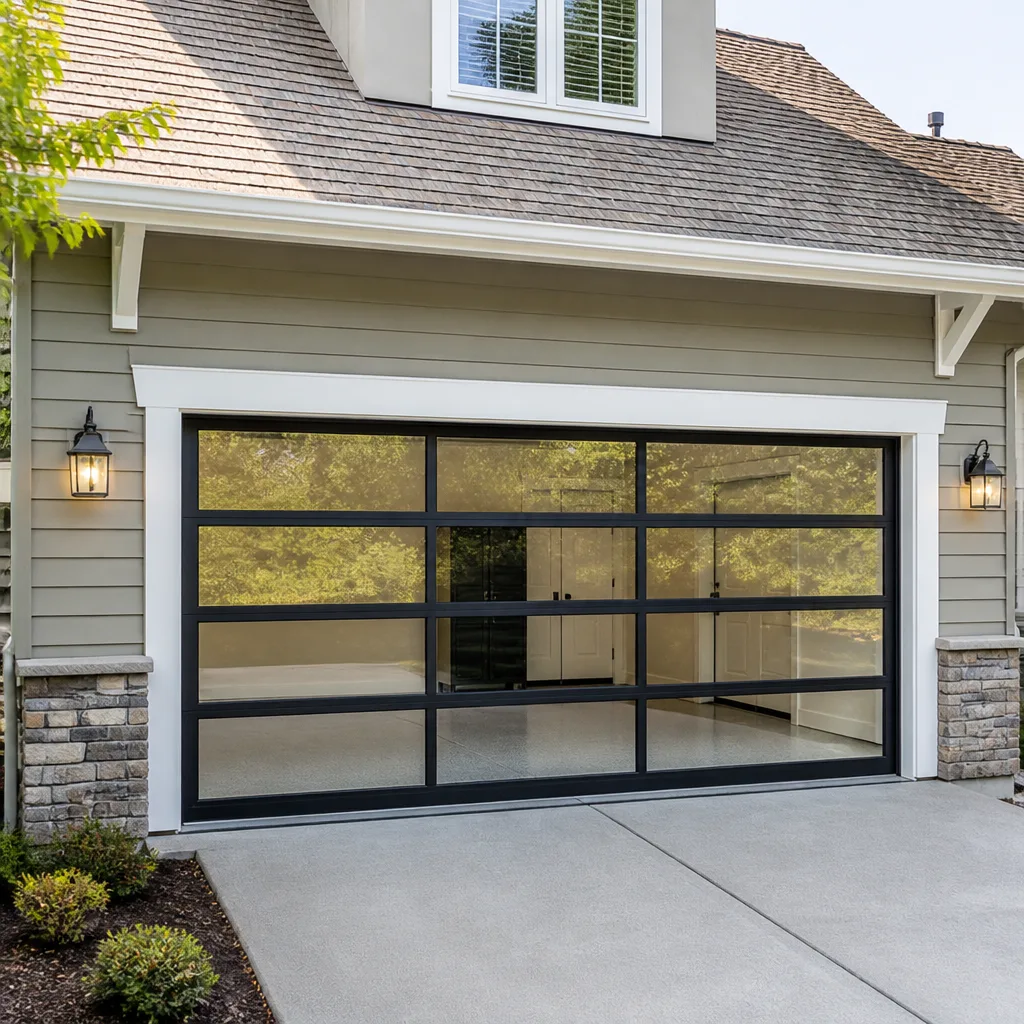 Full-view glass
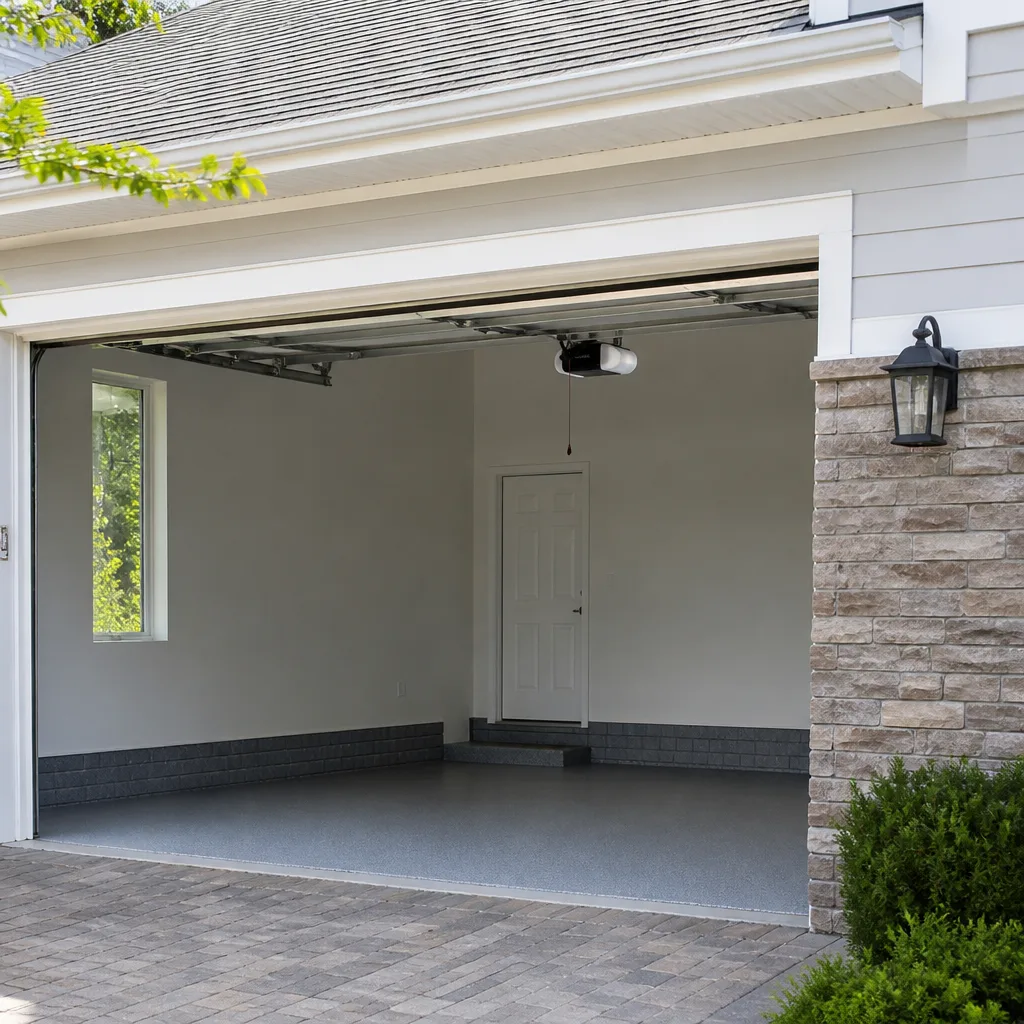 LiftMaster openers
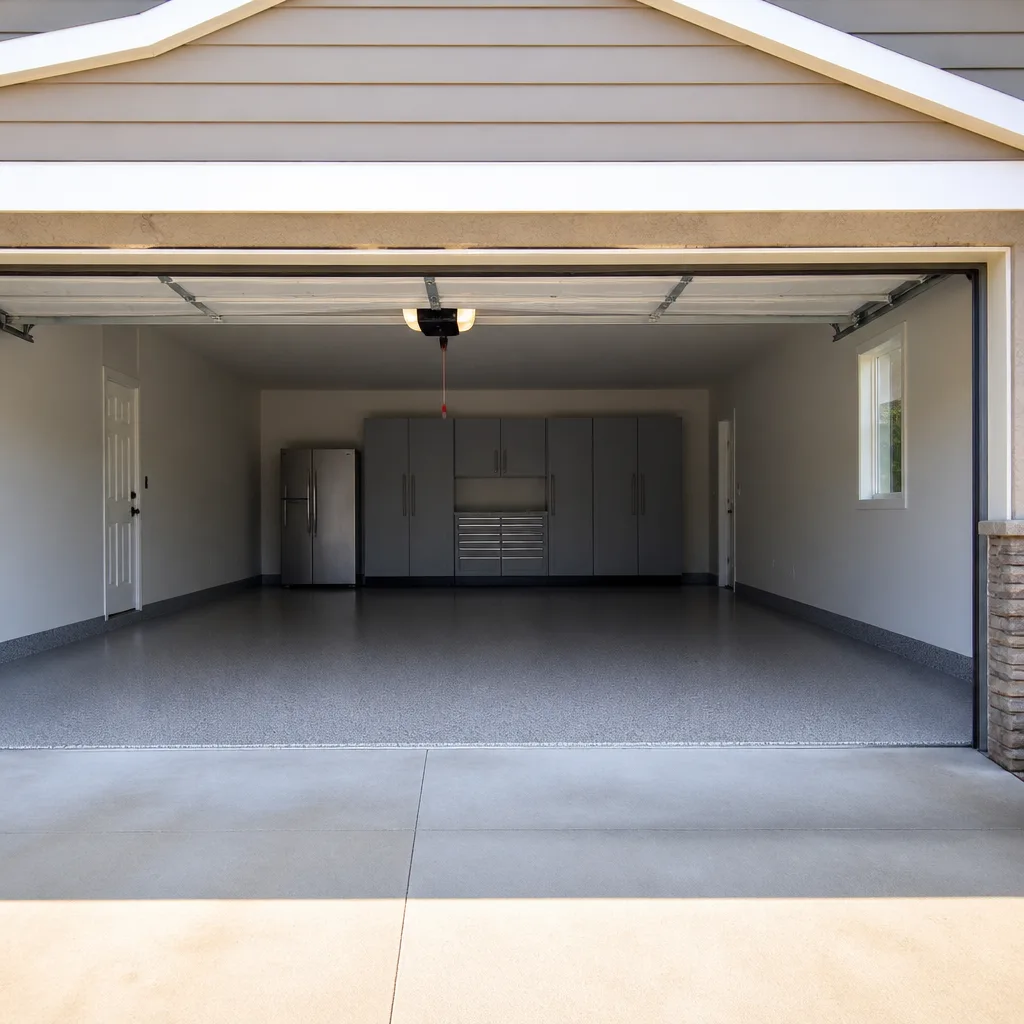 Chamberlain openers
Full 25-point door and opener safety check with every visit - springs, cables, rollers, tracks, and your LiftMaster or Chamberlain opener included
You get a price before we start. It does not change when the pro arrives.
Get your free estimateGarage Door Cost Breakdown: The Spring Branch Homeowner’s Reference for 2026
The difference between a $300 garage door repair and a $900 one is often a single decision made at the time of installation, not the severity of the failure itself. A builder-grade hinge versus a sealed bearing, a door hung with extension springs where torsion would have lasted longer, an opener sized to the minimum spec: these choices sit quietly for years and then show up on a repair invoice. Most cost guides hand you a range and move on, which leaves you unable to predict your real bill or spot an inflated quote. This guide breaks Spring Branch garage door work down by component and by decision point, so you can build a realistic number before you call anyone.
Quick Answer
Garage door repair in Spring Branch typically runs $150 to $650 depending on the component, with spring replacement at roughly $180 to $340 for a single spring and opener replacement at $300 to $750 installed. New door installation generally lands between $900 and $2,800 for a standard single door, and $1,600 to $4,500 for a double, before premium materials and opener. The written estimate you receive before work starts is the price you pay, and that number reflects parts tier, door condition, and what the technician finds once the door is opened up.
Styles & brands we work with
- Raised-panel steel
- Carriage house
- Modern flush
- Full-view glass
- LiftMaster openers
- Chamberlain openers
Table of Contents
- What actually drives garage door cost in Spring Branch
- Line-item costs for the five most common repairs
- How material choice compounds over a door’s lifetime
- The real cost of deferred maintenance
- Why two quotes for the same job differ
- Calculating total cost of ownership: repair versus replace
- Spring Branch-specific factors in your estimate
- Common mistakes to avoid
What Actually Drives Garage Door Cost in Spring Branch?
Four things move a garage door invoice: the parts tier, the labor required to reach and reset the component, the condition of whatever the failed part was attached to, and whether the part is on hand or ordered. Everything else is noise. A homeowner comparing two quotes that differ by $200 is almost always looking at a difference in one of these four variables, not a difference in skill.
Spring Branch’s housing stock spans several decades. A 1970s ranch home near Spring Branch Drive may still run original extension springs and a chain-drive opener, while newer construction in the Memorial-area subdivisions typically came with torsion springs and a belt-drive unit. That age spread matters because older equipment has more interconnected wear: a snapped spring on a door with 20-year-old cables usually means the cables need replacing too, and a quote that only covers the spring will need a revision once the technician inspects the rest.
Houston’s humidity is a slow-working factor. Steel panels rust from the inside out where the paint film has been breached, hinges and rollers seize faster than in dry climates, and wooden doors swell enough in summer to bind in their tracks. None of that happens overnight, but it means a Spring Branch garage door accumulated more wear per year than the same door in a drier market, which is why comparison shopping against national average pricing rarely matches what local quotes come back at.
Labor itself breaks down into three buckets: the diagnostic time to identify what failed, the physical work to replace it, and the adjustment and testing afterward. A torsion spring replacement on a standard double door is a 45-to-90-minute job for a trained technician; the same spring on a door with a low-headroom setup or an unusual track configuration can double. That variability is why no honest quote starts with a flat number.
Line-Item Costs for the Five Most Common Repairs
These are the five failures that generate most garage door calls in Spring Branch, with typical 2026 Houston-metro ranges for parts and labor combined. Treat them as planning figures. Your written estimate is the actual price.
- Torsion spring replacement (single spring): $180 to $340. Most doors run a matched pair, so a pair typically costs about twice that, or $360 to $680.
- Extension spring replacement (single spring): $150 to $280, with pairs usually replaced together.
- Opener replacement, standard chain or belt drive: $300 to $750 installed, with smart Wi-Fi models toward the top of the range.
- Panel replacement, single steel section: $200 to $550 per panel, depending on gauge, color match, and whether the section is still manufactured.
- Cable replacement (per side): $120 to $250, with both sides recommended together on a door over roughly a decade old.
- Track realignment or section replacement: $150 to $400, higher when a bent section must be replaced rather than straightened.
- Roller and hinge tune-up: $75 to $200 for a full set, the lowest-cost service in the list and the one that prevents the most expensive failures.
Two of these deserve a safety note. Torsion and extension springs store enough energy to cause serious injury when they release unexpectedly, and the cables that run alongside them are under constant tension. We don’t recommend handling either as a DIY job, no matter how straightforward a video makes it look. The tools alone (winding bars sized to the spring) cost more than a service call, and the failure mode is unforgiving. This is also why we name spring repair as a specialty rather than treating it as one item on a general handyman list.
How the cost breaks down within a repair
On a torsion spring job, roughly half of the invoice is the spring itself and the labor to wind and test it, and the other half is the adjustment work that follows: rebalancing the door, checking the cables, setting the opener travel limits, and confirming the safety reverse engages. A low quote that skips the adjustment phase is not a bargain; it’s an invitation to an early second failure. Ask any technician whether the opener limits and reverse test are included. If the answer is vague, keep looking.
How Material Choice Compounds Over a Door’s Lifetime
The upfront price of a new door is only the first cost. What you’re really buying is a panel gauge, an insulation value, and a glazing package, and each of those shows up again on your energy bill and your repair invoices for as long as the door hangs. Steel gauge is the clearest example. A thinner, builder-grade 27-gauge door dents more easily and flexes more with each cycle, which wears hinges, rollers, and the opener faster. A 24-gauge or heavier door costs more on the install line but typically reduces the frequency of every minor repair underneath it.
Insulation matters in a milder way here than most national guides suggest. Spring Branch’s winters are mild, so the heating penalty for an uninsulated door is modest. Summer is the larger factor: an insulated door facing west keeps the attached garage noticeably cooler and reduces the heat load on any room above or beside it. An insulated double door typically adds a few hundred dollars over the uninsulated equivalent and pays that difference back slowly through reduced cooling demand. The benefit is real but the payback period is measured in years, not months, so don’t let anyone sell it to you as an immediate return.
Window inserts are the most expensive option per unit area on any door. A row of windows adds several hundred dollars to the installed price, and the acrylic or tempered glazing needs occasional cleaning that a solid panel never does. The value is aesthetic and light-related, not structural. Choose them because you want them, not because they’ll save money.
The practical framework: buy the heaviest steel gauge your budget allows, take the insulation if the garage shares a wall or ceiling with conditioned space, and treat windows as a discretionary add. Brands like Clopay and Amarr offer the same door in multiple gauge and insulation tiers, so the comparison is genuinely apples to apples once you know which spec you’re pricing.
The Real Cost of Deferred Maintenance
A $75 roller replacement ignored for a year turns into a $400 track replacement. That’s not a scare line; it’s the arithmetic of how these systems fail. A seized roller stops rolling and starts dragging, which loads the hinge, which distorts the track, which forces the door panel out of square. Each stage costs more than the one before it, and the money you saved by postponing the first $75 gets absorbed by the $400 you didn’t need to spend.
The same pattern shows up across the five most common repairs:
- A dry or seized hinge is left alone. The door starts to bind on one side. Weeks later, the opener works harder to pull a misaligned door, and the gear or the logic board gives out. One tune-up becomes an opener replacement.
- A slightly frayed cable is ignored because the door still opens. The cable snaps under tension one morning, the door drops on one side, and now the panel is bent and the track is kinked. A cable job becomes a panel and track job.
- The opener’s safety reverse stops being tested. It fails silently, and nobody discovers it until something is pinned under the door. This is the one repair whose cost can’t be measured in dollars.
- A rusted bottom seal is left in place. Water reaches the bottom section, the steel rusts through, and the panel needs replacing. A seal costs a fraction of a section.
- The torsion springs age without annual inspection. A spring that’s been stretched to the end of its cycle life will snap eventually; the only question is whether you’re home when it does.
The takeaway is straightforward. A yearly tune-up on a Spring Branch door – which typically covers roller and hinge lubrication, a spring and cable inspection, a balance check, and a safety reverse test – is the cheapest line item on any garage door budget and the one that suppresses every other number on this page. If your door hasn’t been serviced in over two years, that’s the call to make first.
Why Two Quotes for the Same Job Differ
Two quotes for a torsion spring replacement can differ by a hundred dollars or more without either being dishonest. The gap usually sits in one of three places.
1. Parts brand tiers
The spring itself is a commodity, but the quality of the wire and the number of cycles rated are not. A spring rated for a lower cycle count will cost less and fail sooner, and the difference is rarely shown on a quote. Ask what cycle rating the replacement spring carries. Higher-cycle springs cost somewhat more and last noticeably longer, and for a door that gets heavy daily use (a family with two cars and a work-from-home schedule), they’re the better buy.
2. Parts on hand versus parts ordered
A spring, roller set, or opener that’s stocked and ready means the repair finishes in one visit. A part that has to be ordered from a supplier means a return trip and, in the worst case, a door that’s stuck for days. We stock and sell garage door parts directly so the same-visit repair is the norm rather than the exception, and that’s one legitimate reason a quote from a parts-capable company can look different from one that has to source everything.
3. Service call structure
Some quotes bury the diagnostic and the estimate in a single visit fee, others fold it into the repair, and others quote the repair flat and provide the estimate free. Compare the total at the end: the line item count is less important than the number you’ll actually pay. And ask, plainly, whether the price shown is the price billed. Ours is, because the price is quoted and agreed before any work starts.
Calculating Total Cost of Ownership: Repair Versus Replace
The honest answer is that repair stays the better economic choice until the repairs start stacking faster than roughly once a year, or until two or more major components fail within a single season. Beyond that threshold, a 15-to-20-year-old door starts to cost more in aggregate than a new one, and the math is easy to run yourself. Use this framework:
- Tally the last 24 months of garage door spending. Repairs, tune-ups, any opener work. If that total exceeds roughly 20 percent of the cost of a new installed door, replacement is worth considering.
- Assess the current door’s structural condition. A door with intact panels and a straight track can be restored economically. A door with two or more dented or rusted panels, a warped frame, or a track that’s been realigned more than once is on borrowed time.
- Factor the safety improvements new doors carry. Modern photo-eye safety systems, auto-reverse sensors, and pinch-resistant section joints are standard on today’s doors. A door installed before those were common lacks them, and that’s a consideration worth weighing against repair.
- Estimate the energy delta. If your current door is uninsulated and the garage shares a wall with living space, an insulated replacement reduces summer heat transfer. The annual saving is modest; multiply by the years you plan to stay.
- Weigh the disruption cost. Every repair is a day of access lost. If your garage is the main entry or stores a vehicle you need daily, repeated repairs carry a cost beyond the invoice.
For most Spring Branch homeowners, the crossover point arrives somewhere around the second major repair within two years, or when the springs and the opener both need replacing on the same aging door. When that happens, a full replacement quote (and an honest comparison of repair-only) is worth requesting. We can give both from the same visit.
Spring Branch-Specific Factors in Your Estimate
A handful of local realities shape Spring Branch garage door pricing in ways a national cost guide misses. These are the ones we see come up most:
- Housing age spread: Spring Branch includes neighborhoods from the 1960s through recent construction. Older doors often need the more involved extension-spring service, and older openers frequently lack the safety features a newer replacement includes as standard, which pushes some quotes toward replacement rather than repair.
- Humidity and rust: Houston-area humidity accelerates corrosion on steel panels, hinges, and cables. Rust underneath a painted panel is common and adds to the cost of a repair that started as something simpler.
- Summer heat load: Garages in this climate get hotter than in northern markets, which wears opener motors and logic boards faster. That’s part of why we work on the four major opener brands – LiftMaster, Chamberlain, Genie, and Craftsman – covering both legacy analog units and newer smart Wi-Fi systems.
- Slab and grading: A garage floor that slopes slightly toward the door lets rainwater reach the bottom seal in heavy storms, contributing to bottom-section rust over time. A new bottom seal is a low-cost preventive step.
- Brand knowledge matters: Doors and openers installed in Spring Branch over the last four decades span the major brands – Clopay, Amarr, Wayne Dalton, Raynor, LiftMaster, Genie, and others. Knowing how a particular brand’s tension system or opener board behaves saves diagnostic time, and that savings shows up on your invoice.
Common Mistakes to Avoid
- Accepting a verbal price. A number given over the phone without seeing the door is a guess. Ask for it in writing after an inspection. The written estimate should be what you’re billed.
- Choosing the lowest quote without asking what’s included. A low price on a spring job can mean the adjustment, safety check, and balance test are extra. Ask specifically what’s covered before you commit.
- Skipping the annual tune-up because “it’s still working.” The door working today is not evidence it will work next month. The cheapest repair is the one you never need, and the annual service is how you avoid it.
- Letting a frayed cable or a sagging spring go unaddressed. Both are pre-failure warning signs. Waiting until they snap turns a $200 job into a $500 one.
- Replacing a door when a repair would do, or repairing when replacement is the better buy. Run the ownership math above before you decide. Ask the technician to show you the condition of the panels and the track, not just tell you.
- Ignoring the opener’s safety reverse. Test it monthly with an object under the door. If it doesn’t reverse, stop using the opener until a technician has looked at it.
- Assuming an old door can’t be repaired because of its age. A well-built door from the 1980s with intact panels and a straight track is often a straightforward spring and opener job. Age alone doesn’t determine repair viability; condition does.
When to Call a Professional
Some garage door issues are safe to investigate; the ones that involve springs, cables, or the opener’s electrical components are not. Call a technician when a spring snaps, when the door drops or hangs at an angle, when a cable is visibly frayed, when the opener runs but the door doesn’t move, when the door reverses on its own mid-travel, or when the safety reverse fails its monthly test. Also call if a panel has buckled, if the track has visibly bent, or if you hear grinding that wasn’t there before. The sooner a technician sees a failing component, the cheaper the repair tends to be. Our technicians have up to 12 years of experience, and the local pro we connect you with is licensed and insured as their state requires. Spring Branch Garage Door Repair offers free estimates in Spring Branch – call (844) 660-0146. We answer 24/7, with fast dispatch from 7am to 7pm, Sunday through Friday.
See the difference
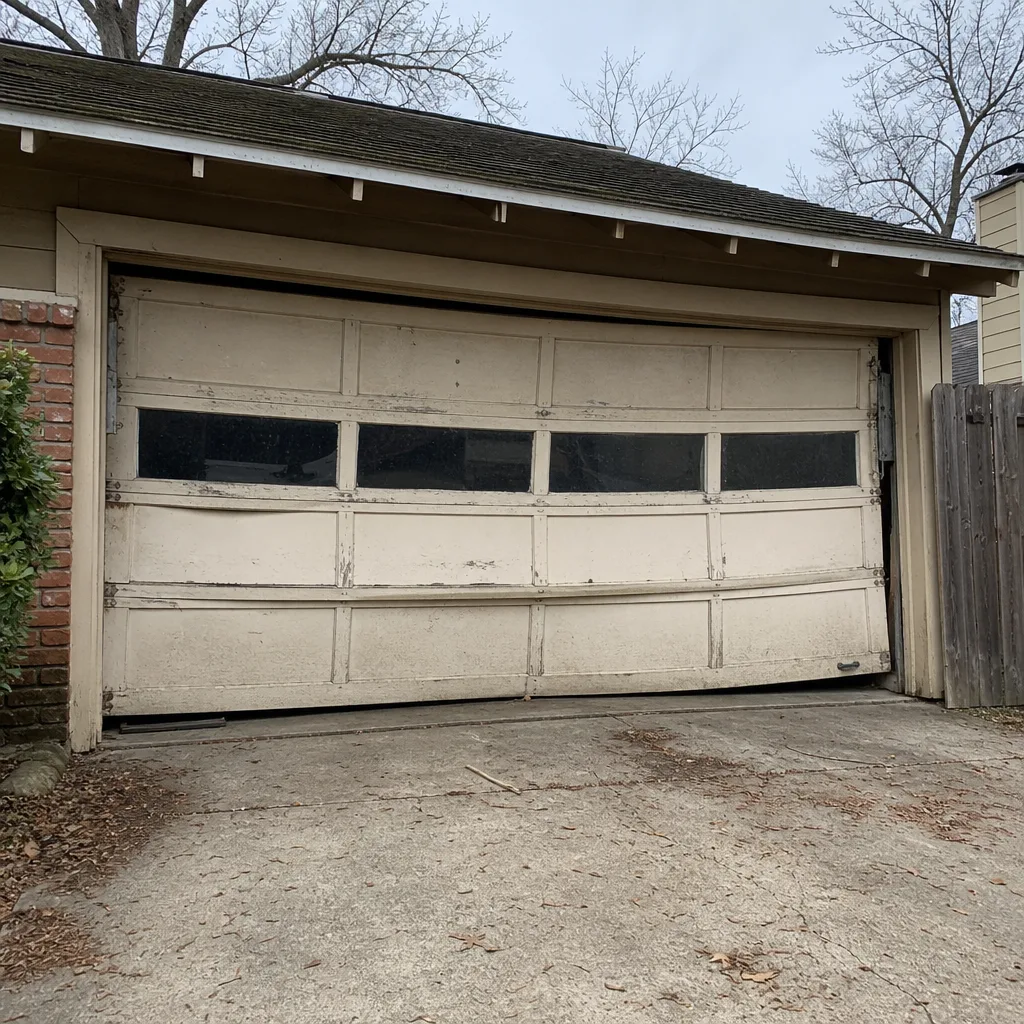 Before
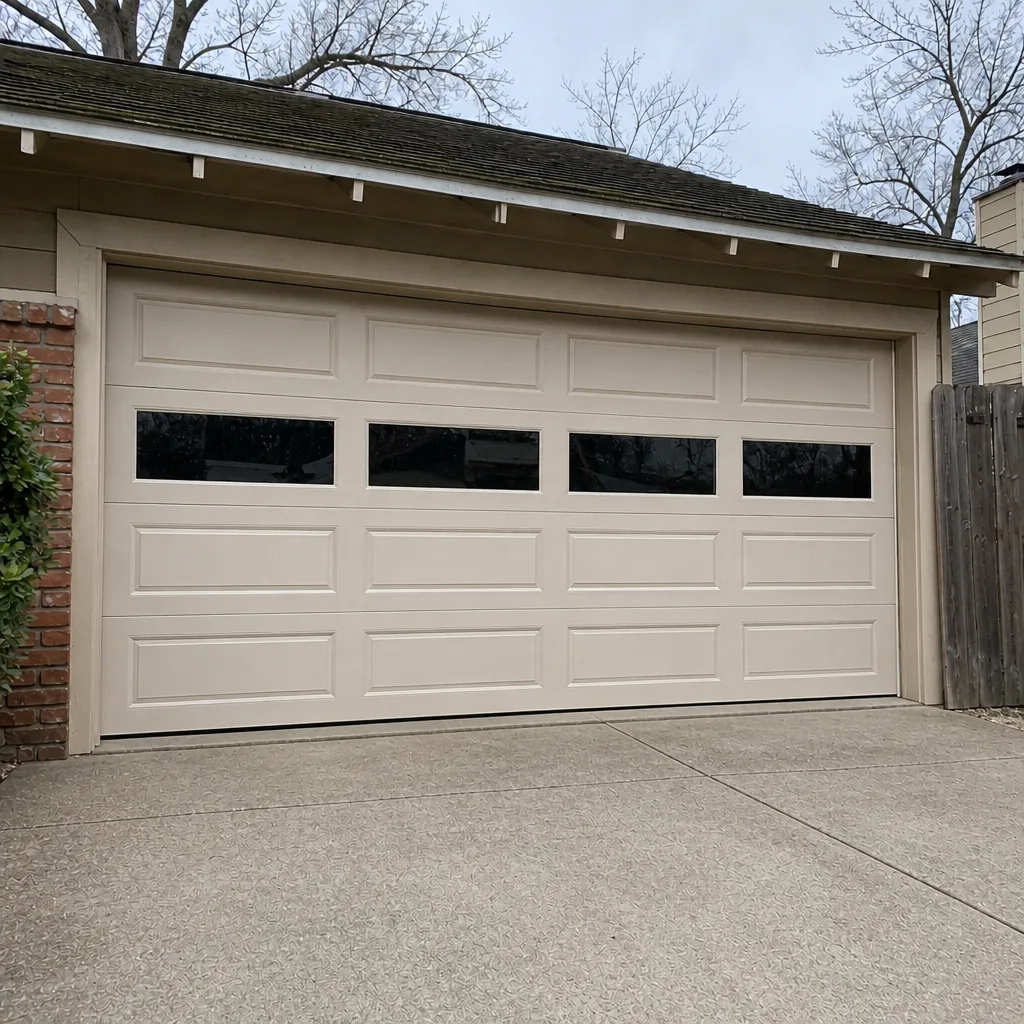 After
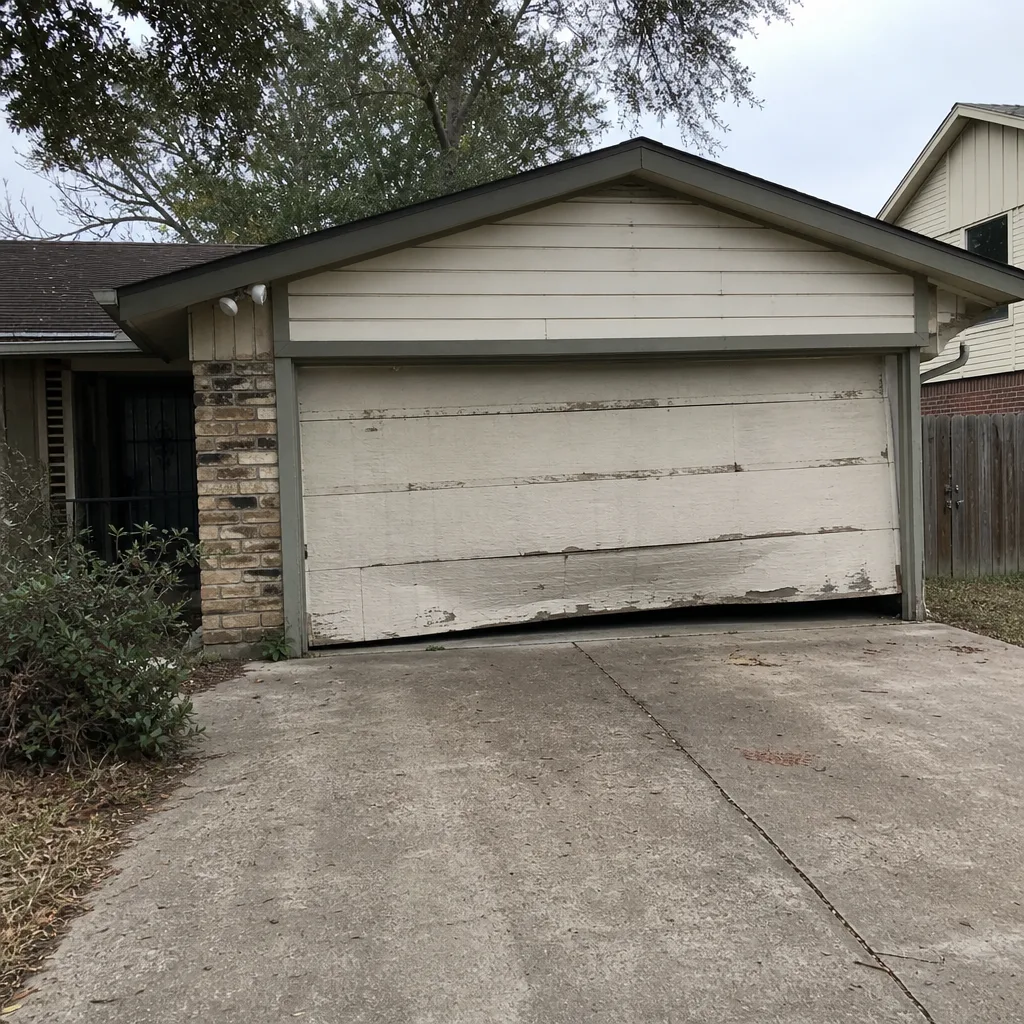 Before
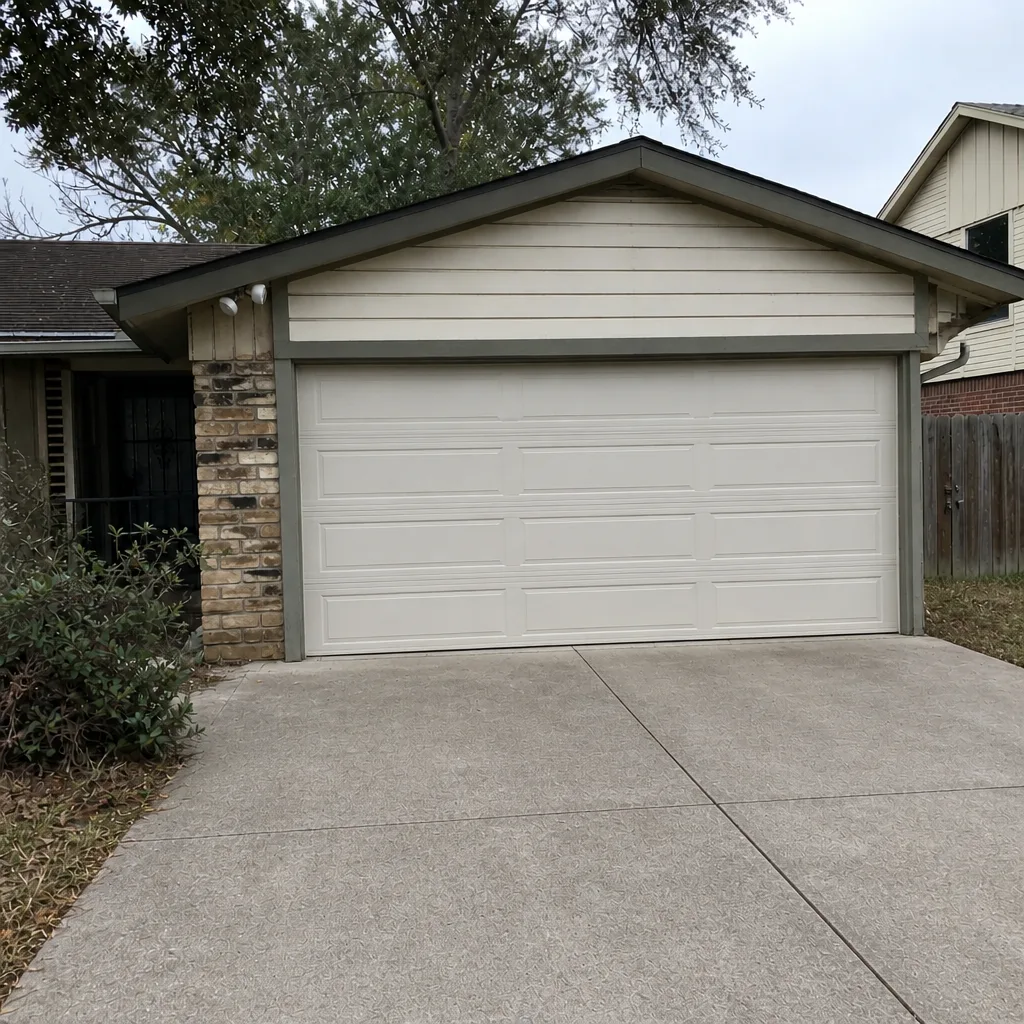 After
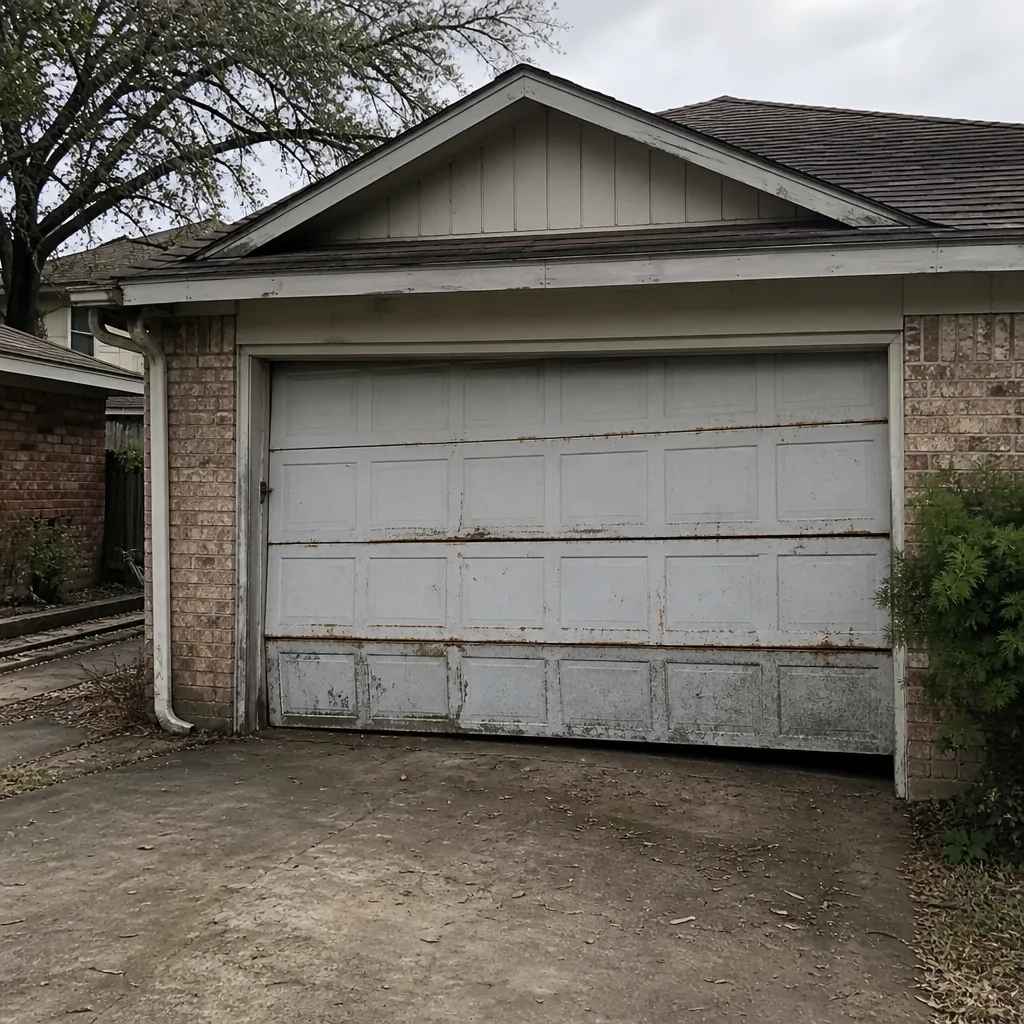 Before
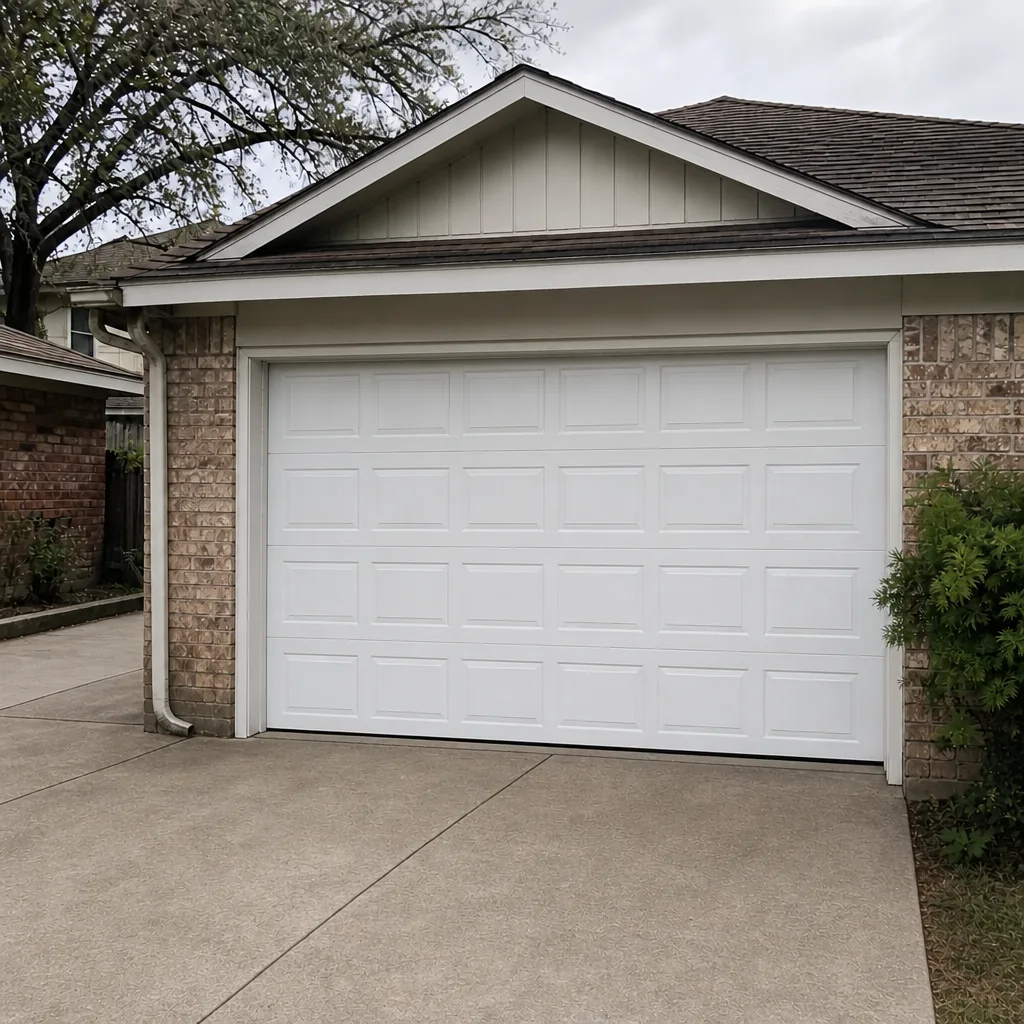 After
Frequently Asked Questions
A single torsion spring typically runs $180 to $340, and most doors use a matched pair, so a pair replacement usually costs about twice that figure. Extension springs run slightly less. The written estimate confirms the exact price before any work begins. Call (844) 660-0146 for a free estimate.
Same-day repair is often possible for common failures like a snapped spring or a dead opener, subject to the day’s schedule. We answer 24/7, and fast dispatch runs from 7am to 7pm, Sunday through Friday. Call (844) 660-0146 to check availability, and a technician can be booked into the next opening.
No. The written estimate you receive after the technician inspects the door is the price you’re billed for that work. If the inspection turns up something beyond the original quote, such as a bent track alongside the spring, we’ll show you what’s needed and quote it separately before proceeding. Nothing is added without your go-ahead. Call (844) 660-0146 for a free estimate.
The local professional we connect you with is licensed and insured as their state requires. Our technicians have up to 12 years of experience and are trained specifically in spring, cable, and opener work. Call (844) 660-0146 for a free estimate.
Repair is usually the better buy until major repairs start stacking once a year or two components fail in the same season, at which point replacement typically costs less over the long run. Tally the last two years of garage door spending: if it exceeds about 20 percent of a new door’s installed price, replacement is worth considering. Call (844) 660-0146 for a free estimate and an honest comparison.
A standard single door typically installs for $900 to $2,800, and a double door for $1,600 to $4,500, before premium materials and opener. Insulated doors and window inserts add to the figure. Because this work is measured and ordered, there’s no same-day promise; we’ll schedule a free measure and give you a written price. Call (844) 660-0146 for a free estimate.
The Bottom Line
Garage door cost in Spring Branch comes down to four variables: the parts tier, the labor required for the specific component, the condition of everything attached to that component, and whether the parts are on hand. Build your estimate around those, and the quote you get back will make sense. The five most common repairs sit between $150 and $750, spring work accounts for the largest share of that range, and the single decision that most affects your total cost over time is whether you service the door annually. A $75 roller set is the cheapest line item on the page. Skip it, and it becomes a $400 track replacement.
Contact
If you’re working out what a repair or replacement will cost on your specific door, the fastest way to a real number is to call and book a free estimate. We cover the full scope – spring replacement, garage door repair, garage door opener repair, parts supply, and new garage door installation – across the eight major brands that dominate Spring Branch homes, including LiftMaster, Chamberlain, Genie, Clopay, Amarr, Wayne Dalton, Craftsman, and Raynor. One call covers it all, from the snapped spring to the brand-new door. Call (844) 660-0146 for a free estimate. We answer 24/7, with fast dispatch from 7am to 7pm, Sunday through Friday. Learn more about Spring Branch Garage Door Repair and what we handle.
Written by the team at Spring Branch Garage Door Repair.