
Last updated November 21, 2026
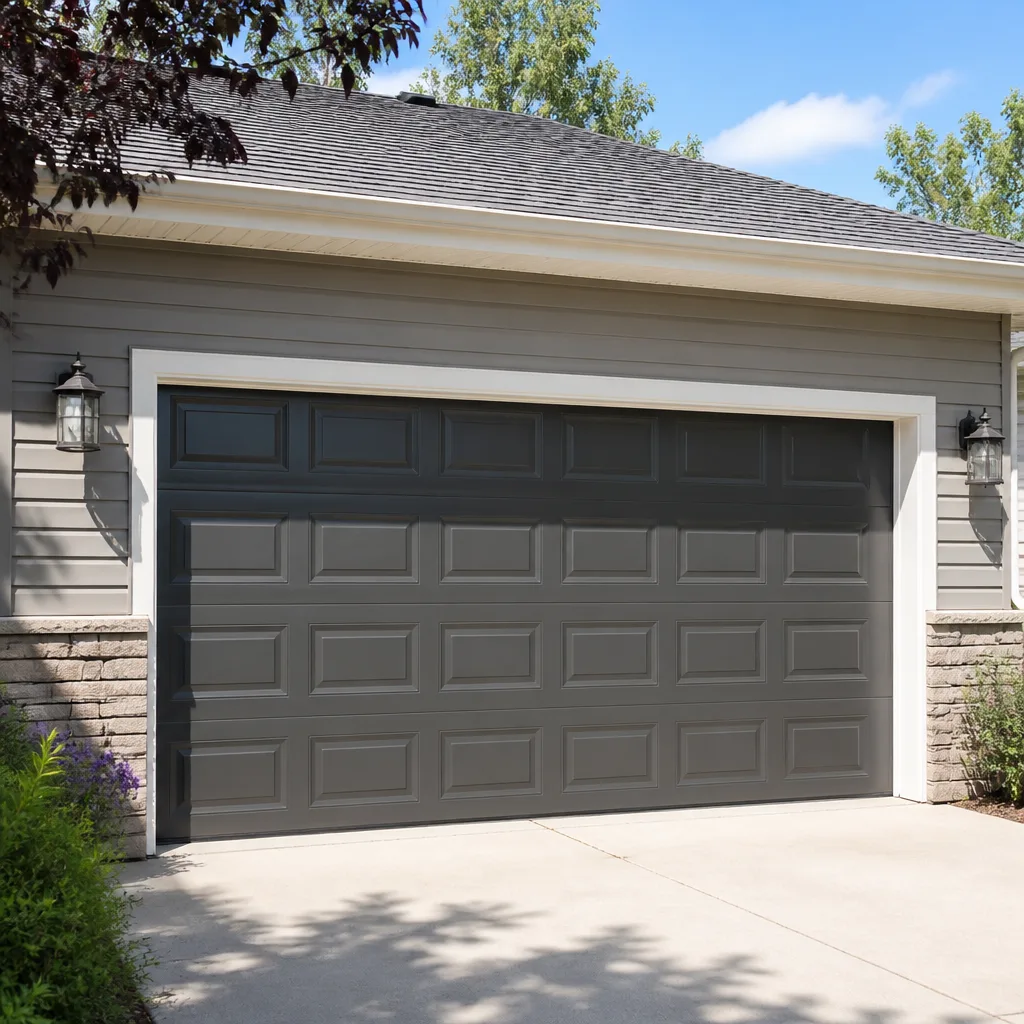 Raised-panel steel
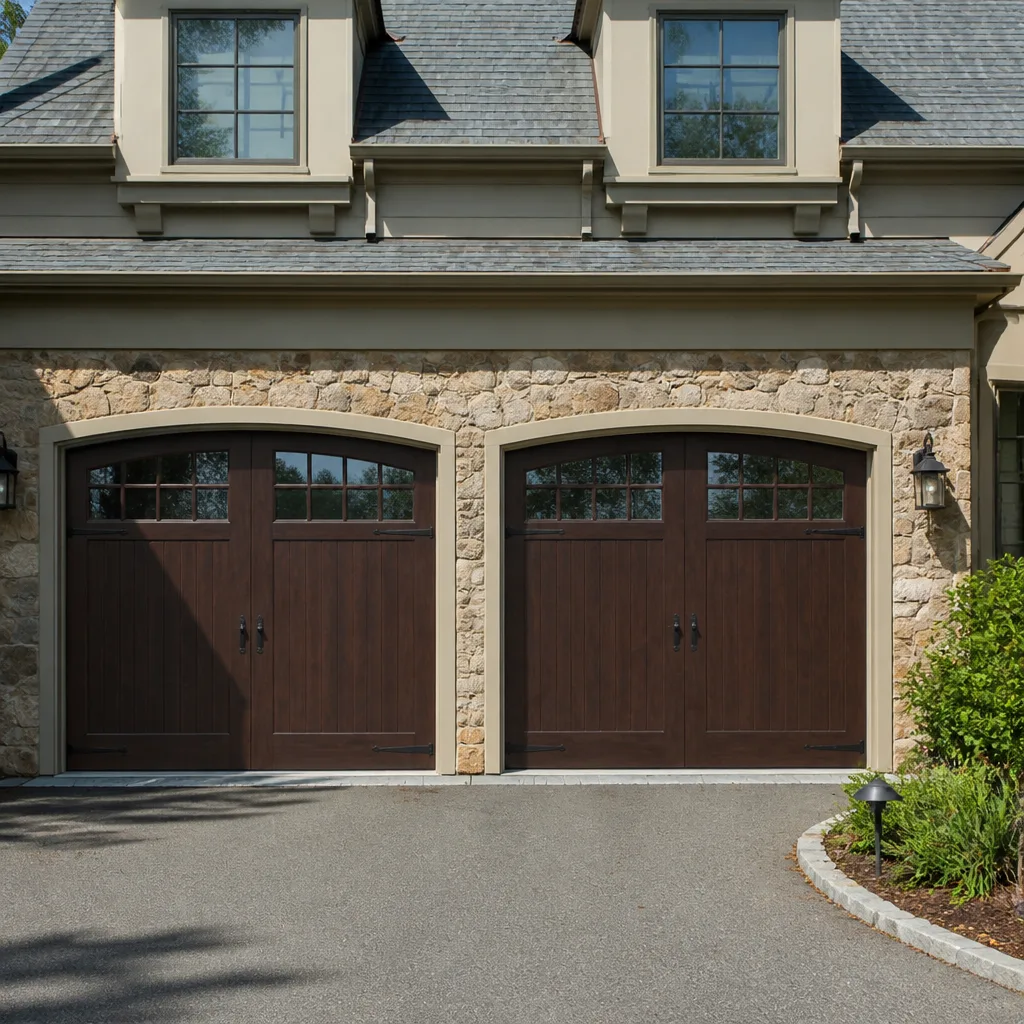 Carriage house
 Modern flush
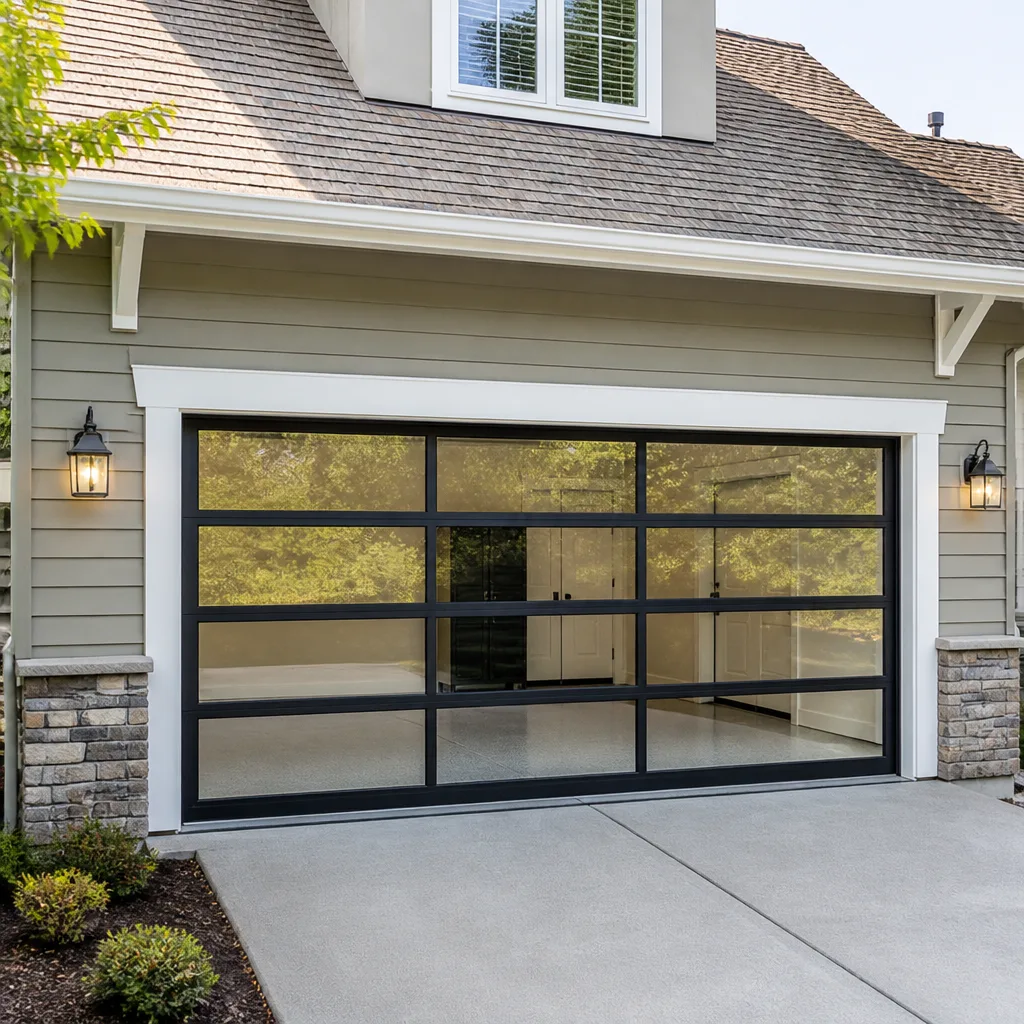 Full-view glass
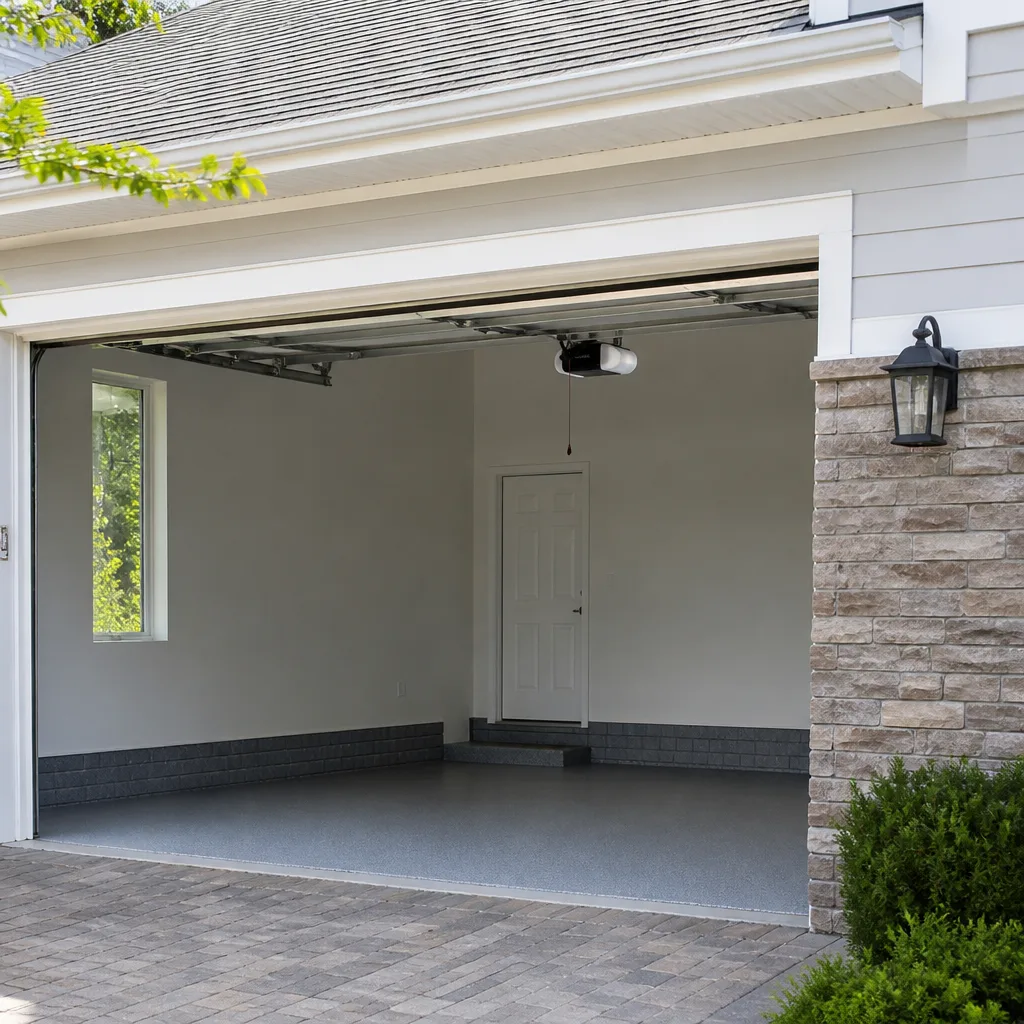 LiftMaster openers
 Chamberlain openers
Full 25-point door and opener safety check with every visit - springs, cables, rollers, tracks, and your LiftMaster or Chamberlain opener included
You get a price before we start. It does not change when the pro arrives.
Get your free estimateGarage Door Warning Signs: A Spring Branch Homeowner’s Reference Guide
Most homeowners treat a garage door problem as an annoyance until it becomes a safety issue. That gap is narrower than you’d think. A torsion spring under full tension holds enough stored energy that a failure can bend a track or send hardware across the garage, and it almost never lets go without warning. The signs usually show up 30 to 90 days before the break, in the form of small changes you can hear, see, and feel. This guide translates those signs into plain language: what each one means, how serious it is, and what you should do about it. By the end, you’ll know exactly when a Spring Branch door needs a repair call and when it needs to stay closed.
Quick Answer
Garage door warning signs fall into three categories: things you can watch (noise, speed, vibration, visible spring wear), things that need a scheduled repair (a slow door, a straining opener, a door that reverses on its own), and things that mean stop using the door today (a snapped spring, a frayed cable, a door hanging off its track). The most reliable early warning is a failed balance test: if your door won’t stay put when you open it halfway, the springs are losing tension and repair should be scheduled before they fail.
Styles & brands we work with
- Raised-panel steel
- Carriage house
- Modern flush
- Full-view glass
- LiftMaster openers
- Chamberlain openers
Table of Contents
- Warning Signs by Severity: What to Watch, Schedule, and Stop
- The Specific Visual Signs of a Spring Nearing End-of-Life
- Slow Door vs. Noisy Door: Two Different Problems
- Opener Problem or Hardware Problem? How to Tell
- The Monthly Balance Test Every Spring Branch Homeowner Should Do
- Cables, Rollers, and Tracks: The Signs Homeowners Miss
- What Not to Touch Yourself
- Garage Door Safety Features Worth Checking
Warning Signs by Severity: What to Watch, Schedule, and Stop
Not every garage door symptom means the same thing. Sorting problems by urgency keeps you from panicking over a squeak and, more importantly, from ignoring a door that’s genuinely dangerous. Here’s how we break it down for homeowners across Spring Branch.
Level 1: Monitor (watch it, don’t ignore it)
- Squeaking or grinding during travel. Usually dry rollers or hinges. Lubrication and an inspection resolve it.
- A faint shudder when the door starts moving. Often a loose bolt or a worn roller. Worth a look, not an emergency.
- Minor rust spots on springs or hinges. Normal in humid stretches, but rust on a spring deserves a professional eye.
Level 2: Schedule a Repair (don’t wait, don’t force it)
- The door moves noticeably slower or faster than it used to. Speed changes point to spring tension or opener strain.
- The opener strains, clicks, or stops partway. Could be opener, could be hardware. Either way, it needs a diagnostic.
- The door reverses without an obstruction. This is a safety system telling you something is off.
- Uneven rise, one side lagging behind the other. A sign a spring or cable is losing tension.
Level 3: Stop Using the Door Today
- A visible gap in the spring coil or a spring that has clearly broken.
- A frayed, kinked, or slack cable hanging loose at the side of the door.
- The door is off its tracks or tilted. Don’t try to move it manually; call for help.
- A loud bang from the garage followed by a door that won’t lift. That’s a spring failure.
If you’re not sure which level you’re in, describe the symptom over the phone and we’ll tell you whether it’s safe to run the door. In Spring Branch, we’d rather help you sort a squeak from a spring than have you guess.
The Specific Visual Signs of a Spring Nearing End-of-Life
Springs fail predictably, and they telegraph the failure. You don’t need technical training to see the signs, but you do need to know what you’re looking at. Torsion springs (mounted on the shaft above the door) and extension springs (running along the sides) both show wear the same way: through gaps, rust, and loss of lift.
Gaps in the coil
A healthy torsion spring is a tight, even coil of wire. When you see a gap opening between coils, or a section where the coils no longer sit flush, that spring has stretched and is losing tension. It’s on its way out. A visible gap is one of the clearest advance warnings a homeowner can spot from the floor.
Rust patterns
Light surface rust on a hinge is cosmetic. Rust concentrated on the spring itself is different: it thins the wire, and a thinning wire is a weakening spring. Look for orange-brown staining along the coil, especially where the wire wraps. In Spring Branch, humidity through the summer months accelerates surface rust, so it’s worth walking out and looking at the springs once a season.
Uneven door rise
Stand back and watch the door climb. If one side reaches the top before the other, or the door visibly tilts during travel, the springs are no longer balanced. This is the symptom most connected to impending failure, because the door is working against itself.
A door that feels heavier
Disconnect the opener and lift the door by hand (this is the balance test, covered below). If it feels much heavier than usual, the springs are fatigued. That heaviness is the load the springs were supposed to carry.
When you see two or more of these signs together, it’s time to schedule a garage door repair rather than wait. A matched pair of torsion springs is usually replaced together, since both have lived the same number of cycles.
Slow Door vs. Noisy Door: Two Different Problems
Homeowners lump these together, but a slow door and a noisy door tell very different stories. Mixing them up means fixing the wrong thing, or worse, waiting on a slow door that was actually urgent.
The slow door
A door that moves slower than it used to, opens partway, or reverses mid-travel is usually a tension problem. Either the springs have weakened, or the opener is straining against hardware it can no longer move freely. Slow doors can also signal a failing opener motor or a misadjusted limit switch. The word to remember is strain: the door is working harder than it should, and that stress lands on the springs, the cables, and the opener. A suddenly slow door is worth a call within a few days.
The noisy door
Noise is usually mechanical friction and often the friendlier problem. Squealing means dry rollers or hinges. Rattling means loose hardware. Grinding can mean worn rollers or a misaligned track. None of these are typically dangerous on their own, but they accelerate wear on everything else, and a grinding noise that appears suddenly after a smooth period is worth checking sooner rather than later.
When they overlap
A door that is both noisy and slow combines the two problems. In our experience, that combination often points to hardware that’s worn far enough to tax the opener, and it’s the point where a single service visit usually solves both. If you’ve been living with a grinding, sluggish door for months, schedule the repair before the strain reaches the springs.
Opener Problem or Hardware Problem? How to Tell
This distinction matters because it changes both the fix and the cost. Opener repair and mechanical repair are different jobs. Here’s a simple way to sort them before you call.
- Pull the manual release. With the door closed and the opener disengaged, lift the door by hand. If it lifts smoothly and stays, the hardware is healthy and your problem is likely the opener.
- If the door is heavy or binds by hand, the problem is mechanical: springs, cables, rollers, or tracks. The opener is just the messenger.
- Listen to the opener itself. A clicking relay, a humming motor that doesn’t move the door, or a unit that lights up but stays put points to the opener’s gears, capacitor, or logic board.
- Check which brand you have. LiftMaster, Chamberlain, Genie, and Craftsman units each have common failure patterns. Knowing the brand up front saves diagnostic time.
- Test the safety sensors. If the door goes up but won’t come down, or goes down a foot and reverses, the sensors or their wiring are often the cause, not the motor.
If the issue lives in the opener, our garage door opener repair covers both modern Wi-Fi-enabled systems and older analog units, from LiftMaster and Chamberlain to Genie and Craftsman. If the door itself is the problem, that’s mechanical repair. Either way, we’ll tell you which you’re facing before any work begins.
The Monthly Balance Test Every Spring Branch Homeowner Should Do
This is the single most useful thing you can do to catch spring failure early. It takes about a minute, it’s safe when done with the door closed and the opener disengaged, and it tells you more about spring health than any visual check.
How to run the balance test
- Close the garage door completely.
- Pull the manual release cord to disconnect the opener. This is the cord hanging from the opener rail.
- Lift the door by hand to about waist height (roughly half open). Use your legs and lift steadily.
- Let go and step back. Watch what the door does.
- Reengage the opener by running it once, so the carriage reconnects.
What the result tells you
- The door stays put. Springs are balanced. Good news; check again next month.
- The door drifts down on its own. Springs are losing tension. Time to schedule a spring inspection.
- The door rises on its own. Springs are overtensioned. Also worth a professional look.
- You can barely lift the door. Springs have failed or nearly failed. Do not run the opener. Call for repair.
In Spring Branch, we suggest running this test on the first of every month, and again after any stretch of heavy use like a move-in or a holiday season. It’s the cheapest diagnostic you’ll ever do on a garage door.
Cables, Rollers, and Tracks: The Signs Homeowners Miss
Springs get the attention, but cables, rollers, and tracks fail in their own ways, and each has a signature. Here’s what to look for when you walk around the door.
Cables
Cables run from the bottom corners of the door up to the spring system, and they’re under high tension. A frayed cable with broken strands, a kinked section, or one that’s hanging slack is a serious sign. A slack cable often means the spring on that side has failed. Treat a damaged cable as a stop-using-the-door sign, not a wait-and-see.
Rollers
Rollers are the small wheels that ride in the tracks. Look for flat spots, cracks, or missing ball bearings, and check that each roller spins freely. Worn rollers cause the grinding and shaking noises people notice first. In Spring Branch’s summer heat, the plastic or nylon rollers common on newer doors can stiffen, which makes worn ones more noticeable.
Tracks
Stand in the garage and look up along each track. The curves should be smooth, the rails parallel, and nothing should be dented or bent outward. A bent track will make the door bind and jump, and it’s often the hidden cause of a door that reverses for no obvious reason. Don’t try to bend a track back by hand; the alignment has to be precise, and a poorly adjusted track can drop a door.
Hinges and bolts
Check the hinge plates and the bolts holding them. Loose bolts let the door sag, which distorts the panels and stresses the hardware. This is the one item on the list you can safely tighten yourself with a socket wrench, provided the door is closed and the opener disengaged.
What Not to Touch Yourself
Some garage door repairs are fine for a homeowner with a wrench. Others can hurt you. We’re specific about the difference because the line isn’t obvious.
- Never loosen, adjust, or remove a torsion spring. The spring is wound and held under extreme tension. Releasing that tension incorrectly can cause serious injury. This is the job that separates trained technicians from general handyman work.
- Don’t cut or detach a cable. Cables carry the door’s weight alongside the springs. A cable under load can snap back with enough force to break bones.
- Don’t try to straighten a track with a hammer or pry bar. A poorly aligned track can drop the door on you or someone below.
- Don’t run the opener on a door with a broken spring. The motor will pull against the full weight of the door and can burn out, adding a second repair to your bill.
- Don’t stand under a tilted door to figure out what’s wrong. Step back and call for help.
Here’s what you can safely do: tighten visible bolts, lubricate rollers and hinges, clean the safety sensors, and run the balance test. Everything involving springs, cables, or a misaligned door belongs with a professional. Our technicians have up to 12 years of experience, and the spring work is a named specialty because it’s the most common place homeowners get hurt trying to save a call.
Garage Door Safety Features Worth Checking
A door can warn you about mechanical failure and still have a safety feature quietly broken. These checks are simple and take a few minutes.
The photo-eye sensors
Two sensors sit at the bottom of the tracks, one on each side, roughly six inches off the ground. One sends an invisible beam, the other receives it. Press the wall button to lower the door, then wave your foot or a broom across the beam. The door should reverse. If it doesn’t, the sensors are misaligned, dirty, or dead. Clean the lenses first, then check the alignment by watching the indicator lights on each sensor.
The auto-reverse on contact
Open the door and lay a roll of paper towels or a piece of wood flat in the center of the opening. Close the door. It should reverse when it meets the object. If it presses down and stays, the opener’s force setting is too high, or the auto-reverse is failing. This is a safety problem worth scheduling.
The manual release
Test that the release cord pulls freely and that the door reconnects afterward. In a power outage, the manual release is how you get your car out. If it’s stuck or jammed, that’s a problem to fix before you need it.
We cover safety-feature failures as part of our garage door repair service, but you should test them yourself monthly. It’s quick, and it’s the best way to catch a broken safety sensor before it matters.
Common Mistakes to Avoid
- Ignoring a slow door because “it still works.” A door moving slower than it used to is telling you the springs are tired. Waiting means replacing hardware instead of adjusting it.
- Applying WD-40 to springs and calling it maintenance. Lubricating rollers and hinges is fine. Coatings that attract grit on a spring can hide rust rather than prevent it. If you’re unsure, ask.
- Assuming a noisy door is always serious. Most squeaks come from dry rollers or loose bolts. Address them early and the noise stops. Let them go, and the wear spreads to the springs.
- Running the opener on a heavy or binding door. The motor will pull against the full weight of the door, which can burn it out and turn one repair into two.
- Replacing one spring instead of the pair. Two springs on the same door have lived the same number of cycles. If one has failed, the other is close behind. That’s why a matched pair is usually the right call.
- Guessing your door’s model before a service call. Spring Branch has plenty of Clopay, Amarr, and Wayne Dalton installations, and matching parts starts with the model. Snap a photo of the door’s frame sticker to save time.
- Trying to “fix” a bent track yourself. Track alignment is precise, and a wrong bend can drop a door. Call for help.
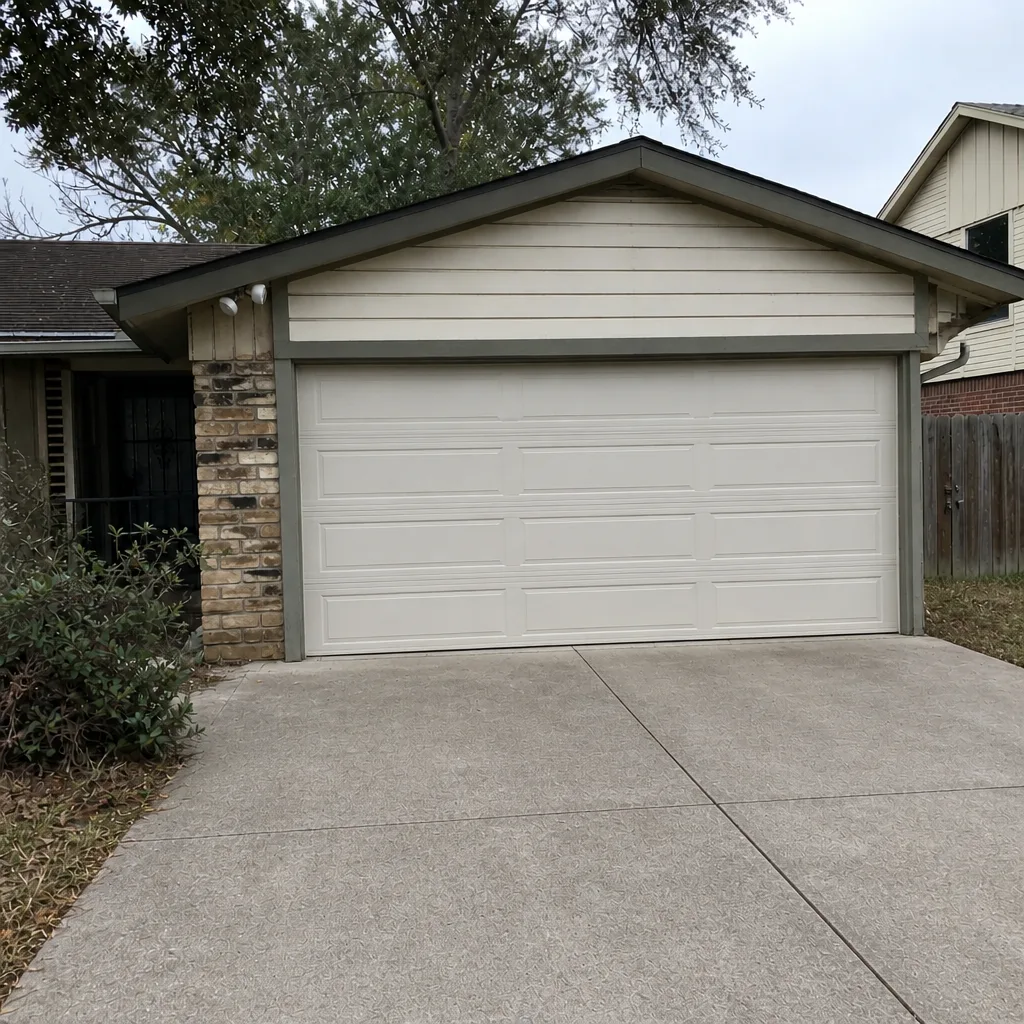
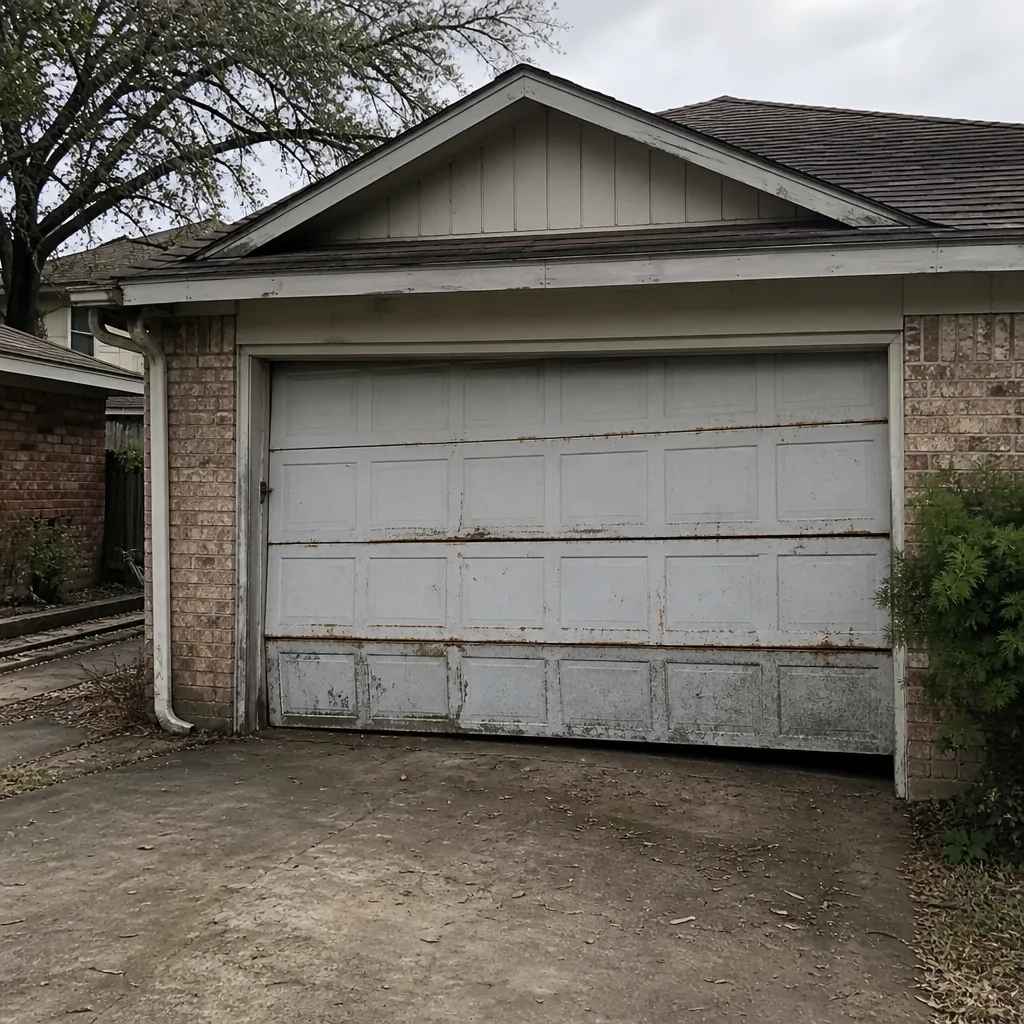
See the difference
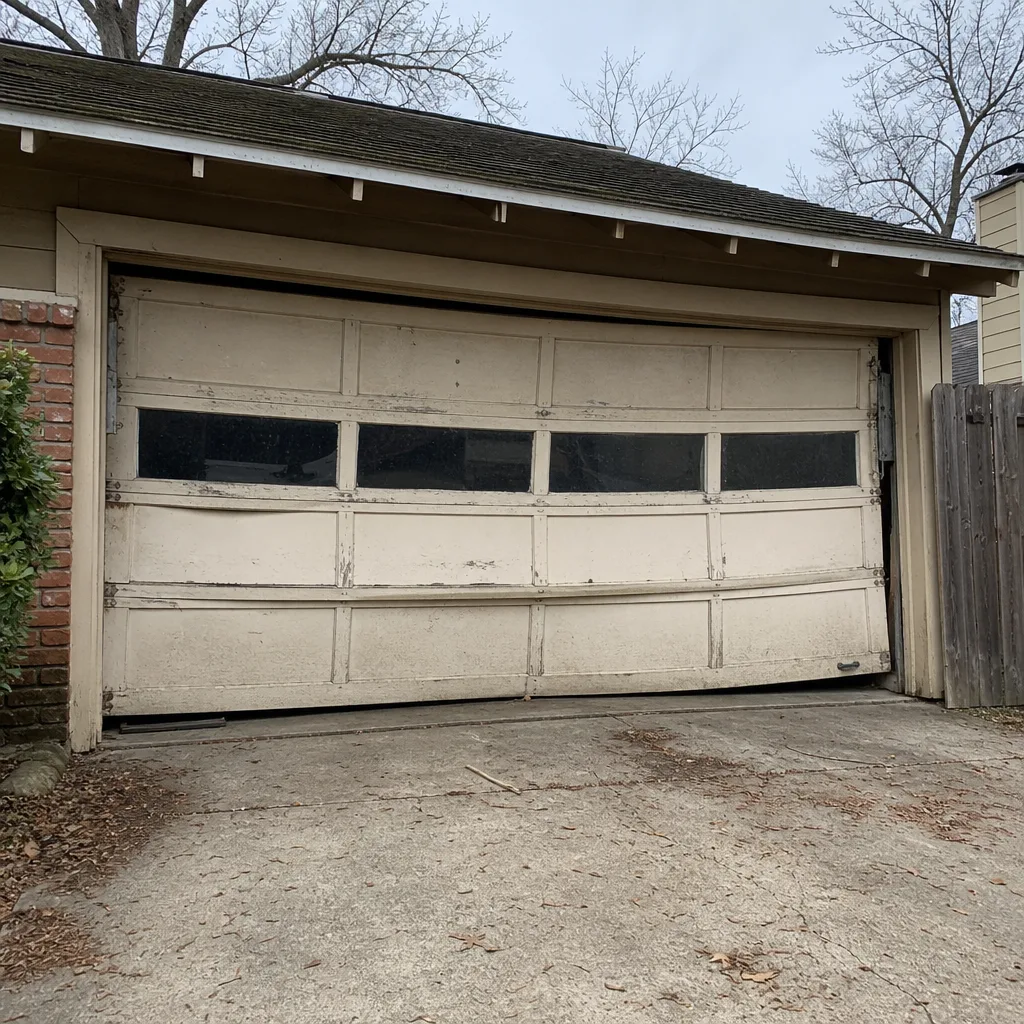 Before
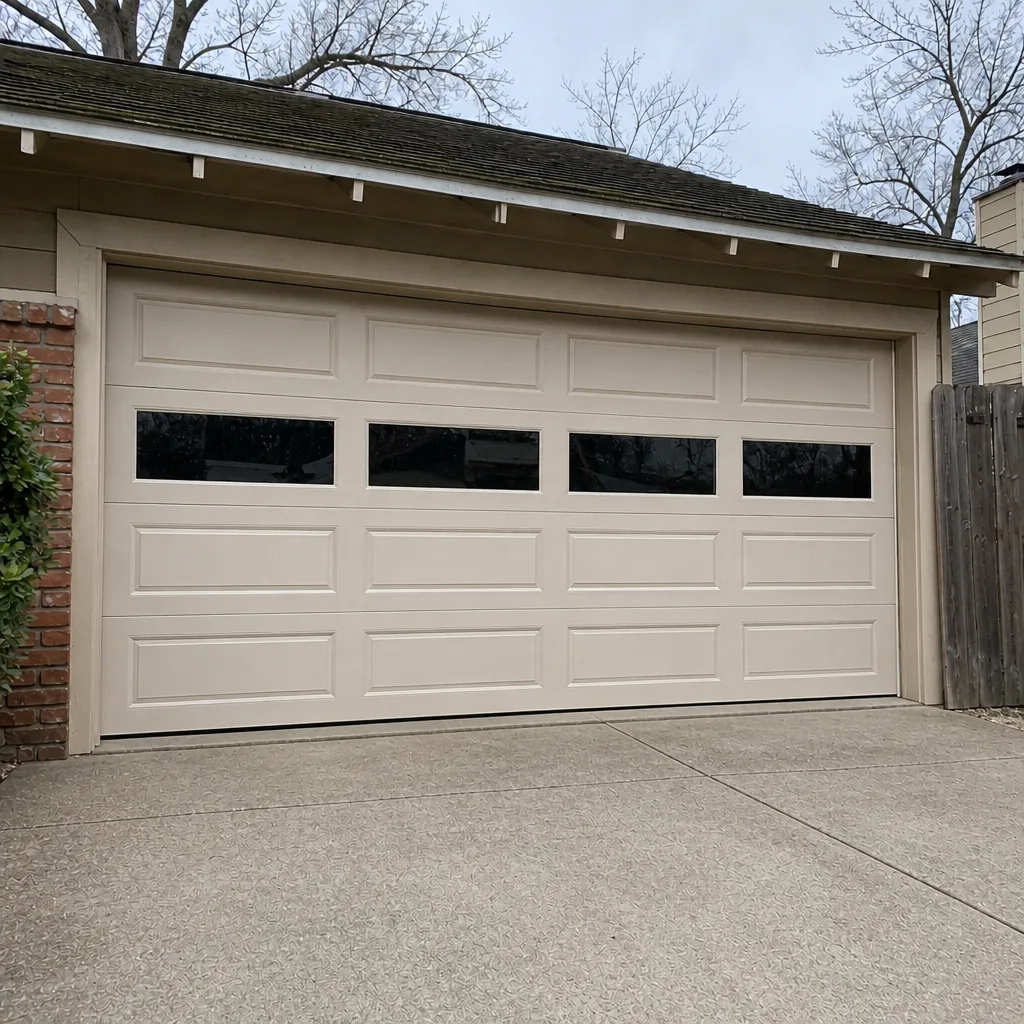 After
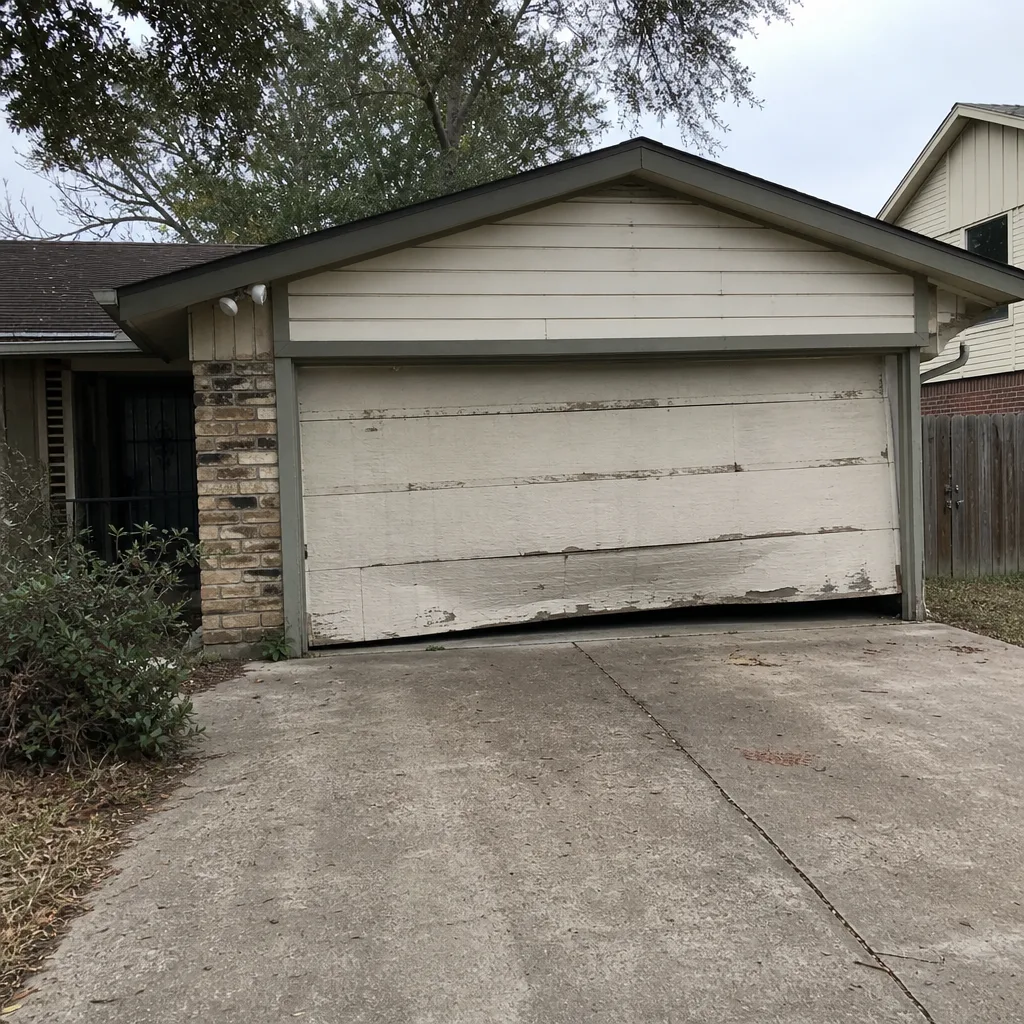 Before
 After
 Before
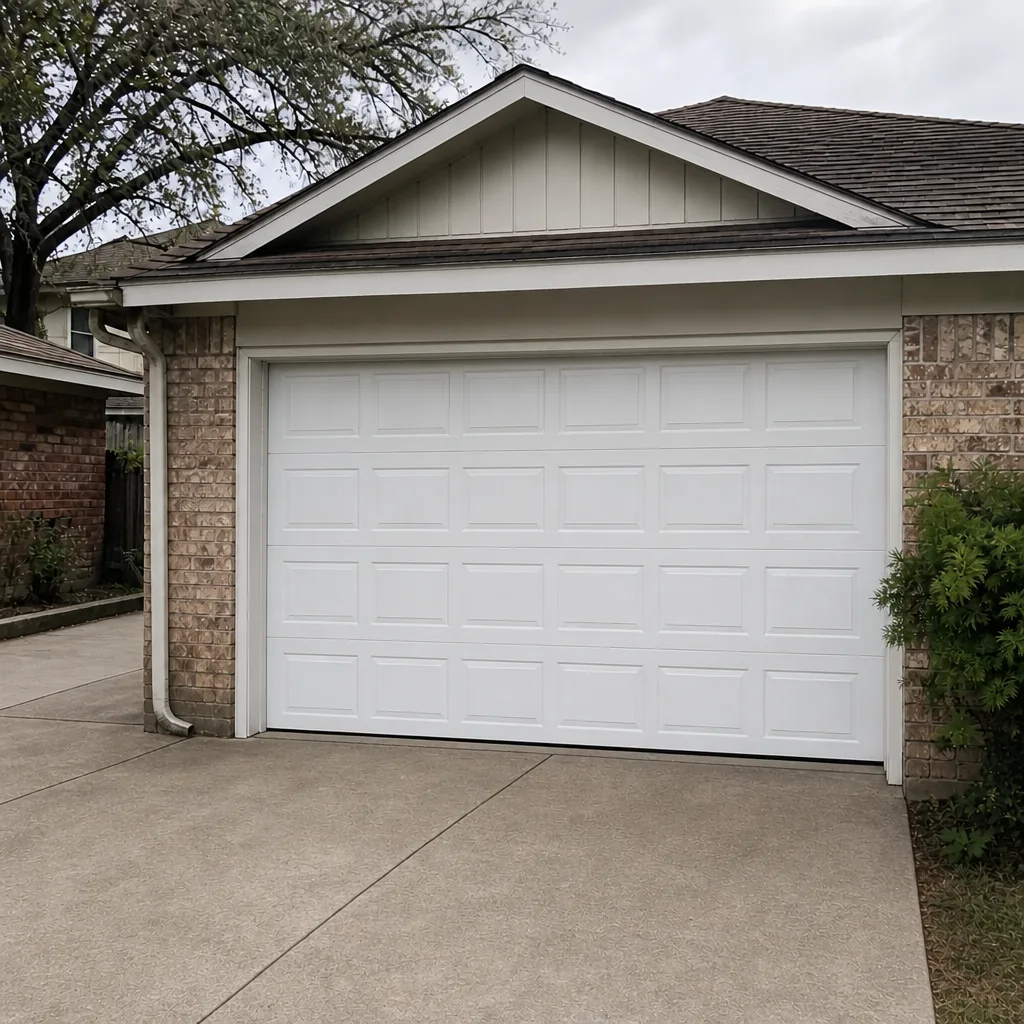 After
When to Call a Professional
Call for help the moment you spot a broken spring, a frayed cable, a door off its tracks, a door that reverses on its own, or a safety sensor that fails the test. These aren’t wait-and-see problems. Call sooner if you hear a loud bang from the garage followed by a door that won’t lift; that’s a spring failure, and the door should stay closed until it’s repaired. For non-urgent issues, a slow door, a noisy door, a straining opener, or a failed balance test, a scheduled visit is the right move, and catching the problem early usually keeps the repair smaller. Spring Branch Garage Door Repair offers free estimates in Spring Branch. Call (844) 660-0146. We answer 24/7. Fast dispatch from 7am to 7pm, Sunday through Friday. Our technicians have up to 12 years of experience, and every price is quoted and agreed before any work begins.
We work on the brand already on your garage, from LiftMaster and Chamberlain openers to Clopay, Amarr, and Wayne Dalton doors. If you’re planning a replacement rather than a repair, our garage door installation covers measuring, brand selection, and a written price before anything is ordered. For a more complete look at what we cover, start at Spring Branch Garage Door Repair.
Frequently Asked Questions
The earliest reliable sign is a door that no longer passes the balance test, which often shows up 30 to 90 days before a spring snaps. Along with that, look for gaps opening in the spring coils, rust concentrated on the spring, or one side of the door rising faster than the other. When you see those signs, schedule an inspection rather than keep running the door. Call (844) 660-0146 for an exact quote, and estimates are free.
Spring repair is quoted per spring, and a matched pair is usually replaced together, so a pair costs about twice a single spring. The written estimate you receive after a technician inspects the door sets the final price, and that price is agreed before any work starts. Call (844) 660-0146 for an exact quote. Estimates are free.
Yes. Spring failures are the repair we prioritize, and same-day visits are often possible when you call early. We answer 24/7, with fast dispatch from 7am to 7pm, Sunday through Friday. A call outside dispatch hours is booked into the next opening. Call (844) 660-0146 for an exact quote. Estimates are free.
No. The price is quoted and agreed before any work starts, and the written estimate sets the final amount. If a technician finds something that changes the scope, like a damaged cable alongside a failed spring, you’ll hear about it before anyone touches the door. Call (844) 660-0146 for an exact quote. Estimates are free.
Yes. The local pro is licensed and insured as their state requires, and every job is done by trained technicians, not general handymen. Our spring repair is a named specialty because it’s the job most likely to be mishandled. Call (844) 660-0146 for an exact quote. Estimates are free.
No. A noisy door usually means dry rollers, worn hinges, or loose bolts, and those are cheap to fix now. Left alone, the wear spreads and starts taxing the springs and the opener, which turns a small repair into a larger one. Schedule a visit before the noise turns into a slow door. Call (844) 660-0146 for an exact quote. Estimates are free.
The Bottom Line
Garage door failure rarely happens without warning. The signs are specific: a door that won’t hold halfway, gaps in the spring coils, rust concentrated on a spring, an uneven rise, a sudden slowdown, or a cable hanging slack. Sort each symptom by severity, run the balance test monthly, and stop using the door the moment a spring, cable, or track is compromised. In Spring Branch, our technicians have up to 12 years of experience, and we work on the brands already in your garage, from LiftMaster and Chamberlain to Clopay, Amarr, Wayne Dalton, and Raynor. Call (844) 660-0146 for a free estimate. We answer 24/7. Fast dispatch from 7am to 7pm, Sunday through Friday.
Written by the team at Spring Branch Garage Door Repair.