
Last updated November 21, 2026
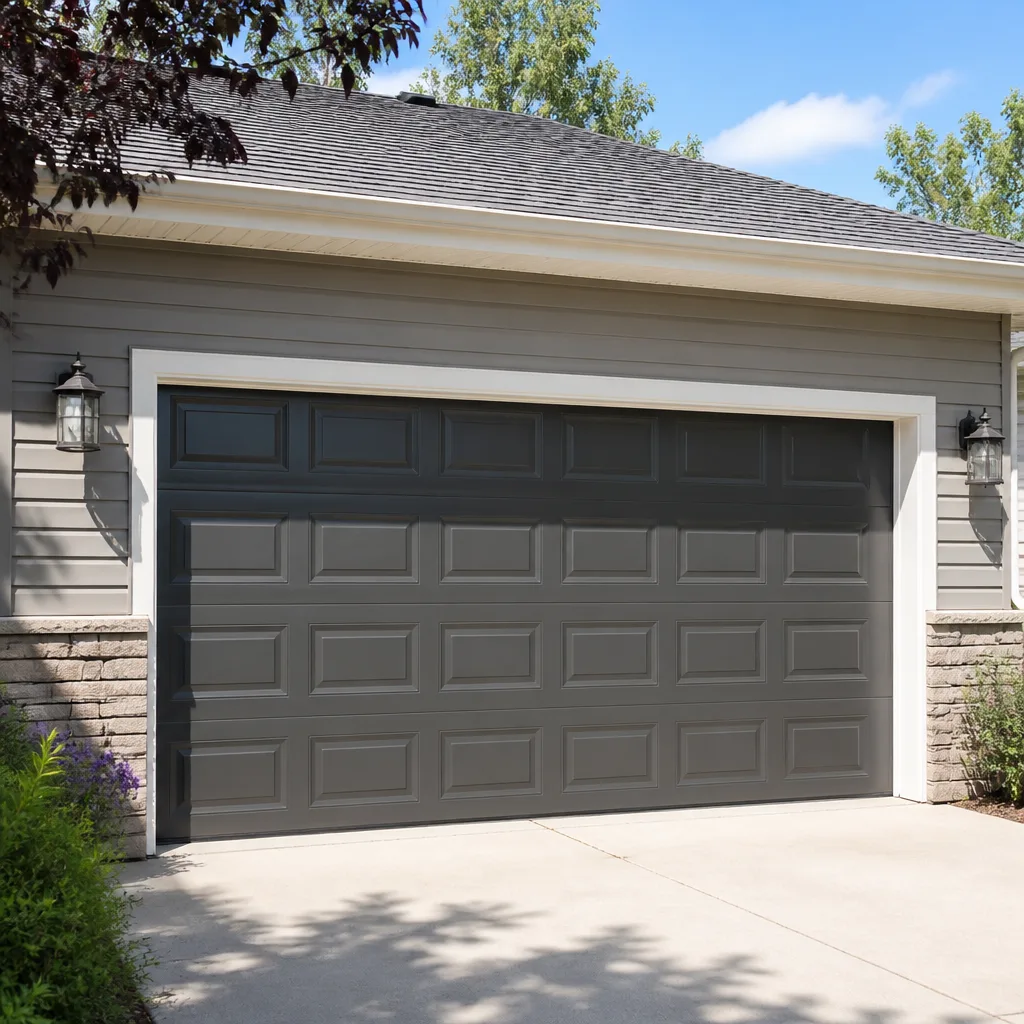 Raised-panel steel
 Carriage house
 Modern flush
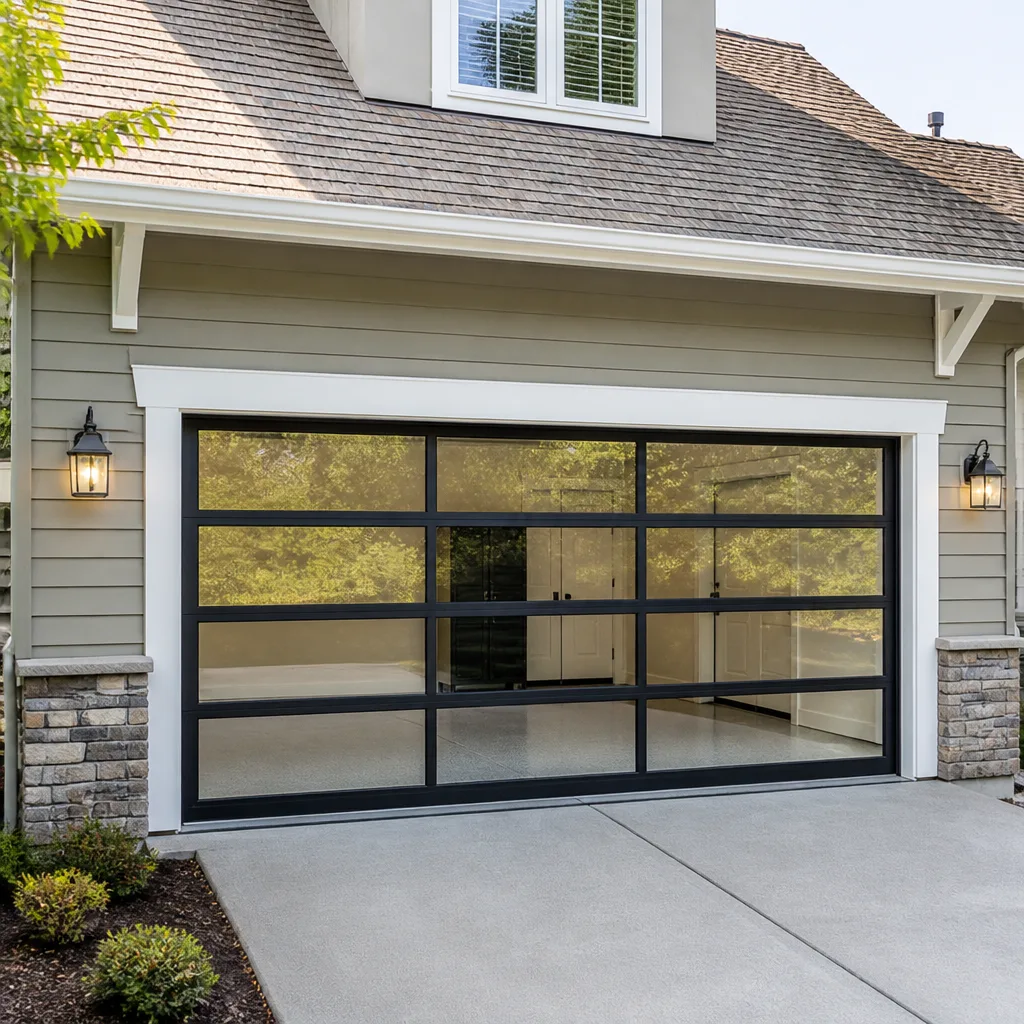 Full-view glass
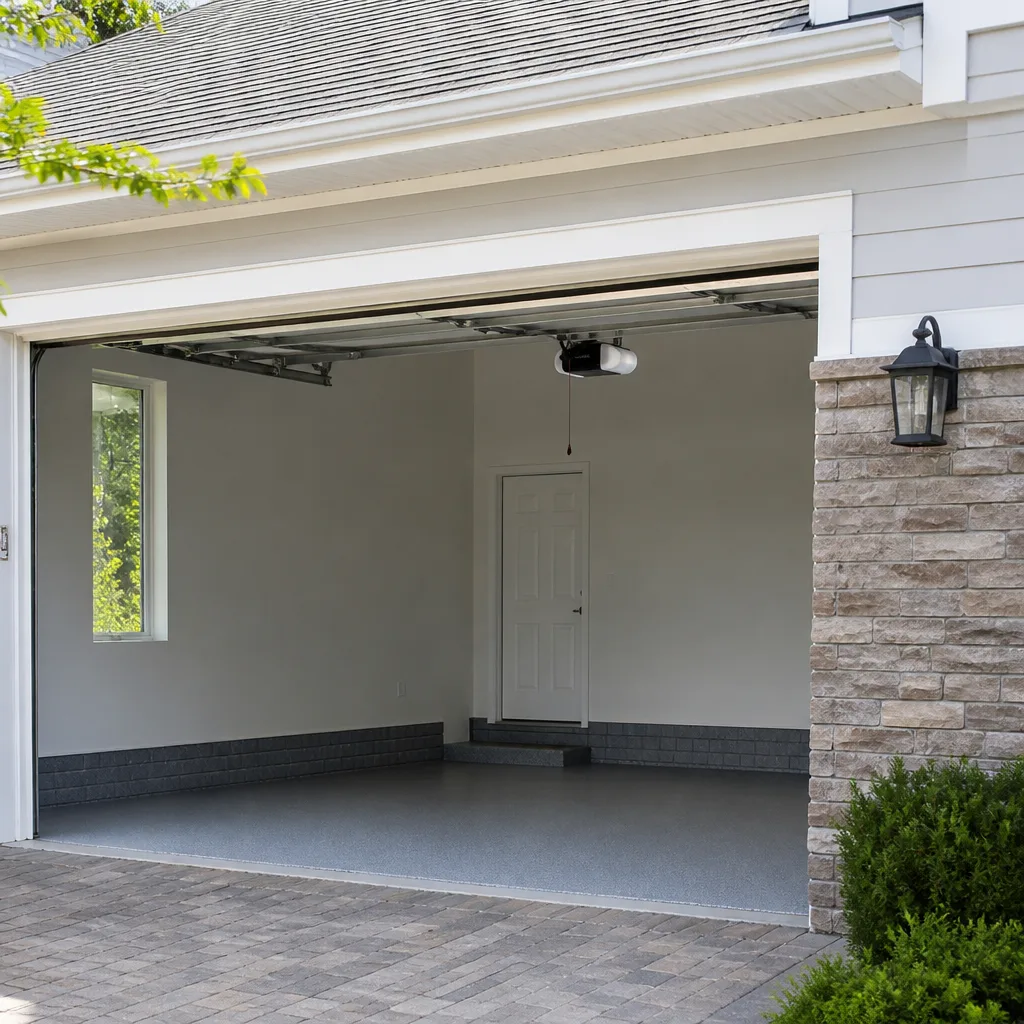 LiftMaster openers
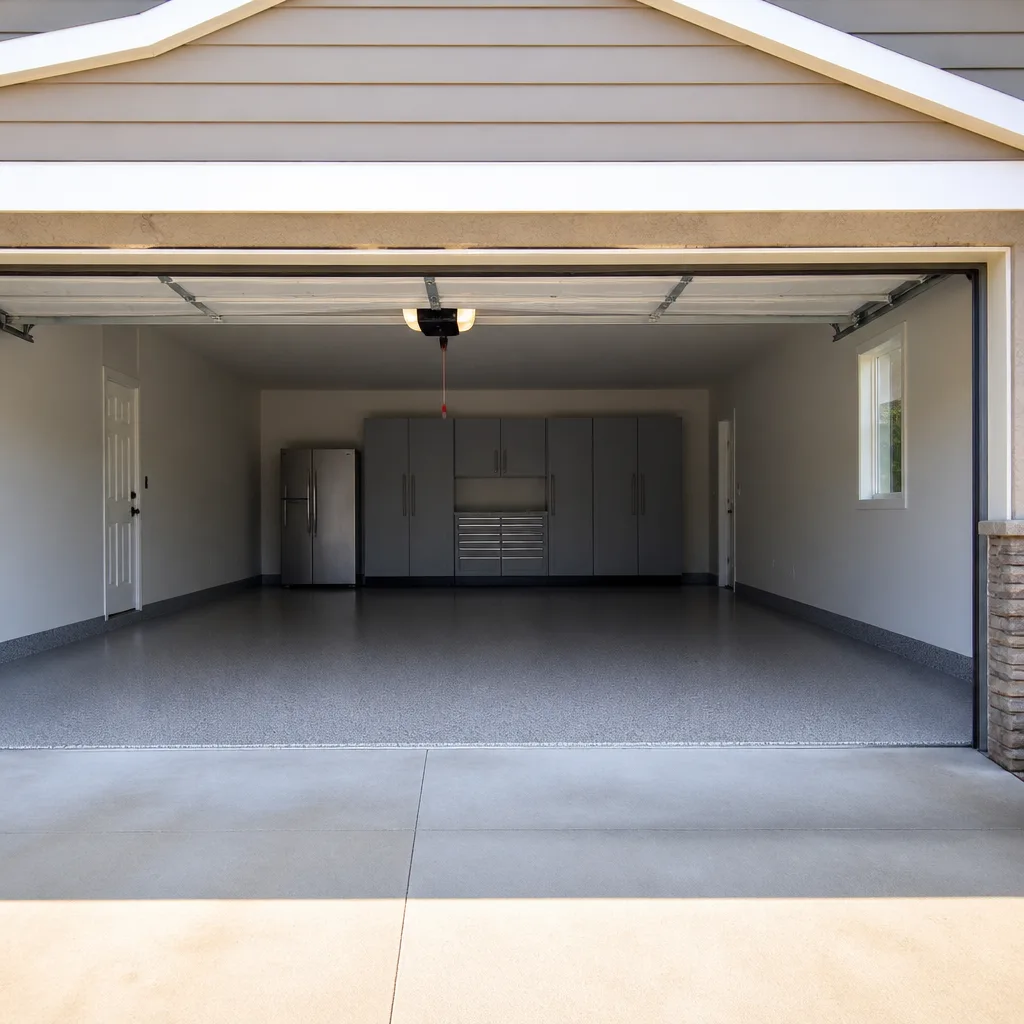 Chamberlain openers
Full 25-point door and opener safety check with every visit - springs, cables, rollers, tracks, and your LiftMaster or Chamberlain opener included
You get a price before we start. It does not change when the pro arrives.
Get your free estimateGarage Door Permits, Codes & Inspections in Spring Branch, TX: What You Need to Know
Most Spring Branch homeowners assume a garage door swap never needs a permit. That’s usually true, and it’s also exactly how people get surprised. The line between a permit-exempt replacement and one the county wants to inspect comes down to what’s being changed, not what the door looks like. This guide draws that line clearly: which work is exempt, which work always triggers a permit, how wind load ratings tie into Harris County requirements, and what an inspector actually checks. Move through any of it and you’ll know more than the average contractor volunteer tells you. This is written for Spring Branch, and it’s the only version of this guide we’ll ever write.
Quick Answer
In Spring Branch and unincorporated Harris County, a like-for-like garage door swap with no structural change usually does not require a permit, but any change to the opening itself does. Widening an opening, cutting a new door opening into a wall, or converting a single door into a double is structural work and always requires a permit, no matter which door gets hung. Wind load compliance matters too, because this part of Texas is in a hurricane wind zone designation. When in doubt, ask Harris County or the City of San Antonio’s building department depending on your address; the answer is a phone call, not a guess.
Styles & brands we work with
- Raised-panel steel
- Carriage house
- Modern flush
- Full-view glass
- LiftMaster openers
- Chamberlain openers
Table of Contents
- Where the Permit Line Falls in Spring Branch
- Structural Changes That Always Need a Permit
- Wind Load Ratings and Harris County’s Hurricane Zone
- What an Inspection Actually Checks
- What a Contractor Must Document
- Unpermitted Work, Title Searches and Resale
- How to Do It Right: Step by Step
Where the Permit Line Falls in Spring Branch
The rule comes down to one question: is this a replacement of the same thing, or a change to the structure? A same-size, same-type door going back into the same opening is what most jurisdictions call a like-for-like swap. No new opening gets cut, no header changes, no framing moves. In most cases that work is exempt from a permit in the Spring Branch ZIP codes, whether you’re north of 46 toward Bulverde or in a neighborhood off 281.
What pushes a job over the line:
- A different door weight class. Going from a light single-panel door to a heavy insulated one can change the load on the header and the spring tension. That’s usually fine on its own, but on older homes with modified openings it’s worth a structural look.
- New electrical work for an opener. If the opener circuit doesn’t exist and you’re adding a new circuit at the panel, that’s electrical work and it gets its own permit through the electrical jurisdiction.
- Any change in the wall opening. Even a few inches of widening is a structural change and a permit is required.
- A new opening where there wasn’t one. Cutting a new garage door into an exterior wall is always permitted and always requires engineering or a design professional’s stamp.
Spring Branch straddles jurisdictions. Addresses closer to San Antonio may fall under City of San Antonio rules, while unincorporated addresses fall under Harris County. We see homeowners caught off guard by this constantly. The first call, before you do anything, is to whichever building department covers your address. Confirm it in writing if you can.
The like-for-like swap, explained plainly
A like-for-like swap means the same width, same height, same track configuration, same spring setup, same panel count. If the original door was 16 feet wide and 7 feet tall, the new one is too. Tracks stay where they are. The hardware bolts onto the same framing. This is the case for a very large share of garage door replacements in Spring Branch, and it’s why most homeowners don’t think about permits at all. That’s fine, as long as the job really is like-for-like.
When the exempt answer is wrong
The exempt answer is wrong the moment the door isn’t actually the same. A homeowner may think the new door matches the old one when it’s 3 inches taller, or the tracks are repositioned, or the opening was framed for a door the county never counted. In our experience, the mismatch almost always shows up during a resale inspection, and at that point the homeowner owns the problem. A free estimate for a garage door installation should include a straight conversation about whether the new door truly matches the existing opening.
Structural Changes That Always Need a Permit
Structural changes are the clearest part of this whole topic. There is no gray area on the following three categories: they always require a permit, regardless of which door type gets installed. If a contractor tells you otherwise, the contractor is wrong.
- Widening or heightening an existing opening. Cutting new framing members to make an opening larger alters the structure. A permit and, in most cases, a design professional’s sign-off are required. A Clopay or Amarr door ordered for the wider opening comes after the permit and inspection, not before.
- Adding a new garage door opening to an exterior wall. Any new opening cut into a load-bearing wall is structural. The wall that runs along the front of a garage is often load-bearing in single-story Spring Branch homes, which raises the stakes. Permits and engineering are both required.
- Converting a single door to a double door, or the reverse. This is the case that fools people the most. Swapping a single 9-foot door for a 16-foot double door means the header over the opening has to be re-engineered. That’s structural work. A permit is required whether or not the door manufacturer ships quickly.
There’s a fourth category worth naming separately: any change to the header, the framing around the opening, or the structural attachment of the tracks to the framing. If the tracks are being relocated from side-mount to ceiling-mount, or from a low-headroom setup to standard, the structural attachment changes. Treat that as structural and get it permitted.
Residential garage doors in Spring Branch aren’t typically involved in structural work, but when they are, the county wants to know. A homeowner weighing whether to move a door opening a foot over has to decide between a clean permit and a roll of the dice. Take the permit. It costs less than remediation, every time.
Wind Load Ratings and Harris County’s Hurricane Zone
Harris County sits in a hurricane wind zone designation. That’s a technical way of saying the doors installed here are engineered to resist specific wind pressures, and the numbers matter for permits and inspections. Wind load requirements come from the building code, and the code ties to the county’s wind zone. Spring Branch doors have to meet the requirement; a door rated for a lower wind zone isn’t compliant even if it’s the right size and the right brand.
What that means in practice:
- Every new door should carry a design pressure rating. The manufacturer publishes the rating for each door and each width. A 16-foot door rated for the required wind pressure at that width is what you’re looking for. The rating isn’t universal across sizes; a door rated for one width may not be rated for another.
- The rating has to match the opening. When a new door is permitted and inspected, the inspector compares the installed door’s published rating to the code requirement. A door that’s undersized for the opening gets flagged.
- Reinforcement matters. Standard doors in hurricane zones use added struts, heavier gauge tracks, and more robust brackets. If you’re swapping a base door for a wind-rated model with a Genie or LiftMaster opener that was designed for the lighter door, the opener springs and the opener itself need to be checked for the new weight.
Homeowners who don’t plan to sell and don’t plan to claim insurance sometimes ask whether the wind rating really matters. It does, in both cases and in a third case they don’t think about: a major wind event. Damage assessed as non-compliant installation has caused more headache for homeowners than the original cost of the door. Insist on the rated door.
How to read a wind load label
The manufacturer’s wind load documentation lists the design pressure for the door at each width and height combination. Wind ratings aren’t a single number that applies to a whole line of doors. They change with size. When a contractor hands over documentation for an inspection, that sheet is the one to keep on file. Homeowners in Spring Branch should file the wind load documentation with the permit paperwork and the warranty card, together.
What an Inspection Actually Checks
An inspection isn’t a general look-over; the inspector works from a checklist tied to the permit. Knowing the checklist removes the mystery and the anxiety. Here’s what the checklist typically covers, in the order an inspector will go through it:
- The permit. The inspector confirms the job matches the scope described on the permit. If the scope says “replace existing door, same opening” and there’s a new opening, that’s a stop.
- Structural work. For any structural change, the inspector checks the header, the framing, and any connection to load-bearing walls. Design professional stamps or engineering documents come into play here.
- Door wind rating. The manufacturer’s documentation must match the installed door and the code requirement for that opening. Missing paperwork is a failed inspection.
- Hardware and anchoring. The tracks, brackets, and any ceiling-mounted opener supports get inspected for proper attachment. Improper anchoring is a common fail.
- Safety features. The photo-eye sensors and the auto-reverse function for opener-equipped doors are checked. These are code-mandated safety features, not optional accessories.
- Final electrical. If a new opener circuit was pulled, the electrical inspector signs off separately before the final garage door inspection closes.
The timeline depends entirely on the jurisdiction and the county’s current inspection load. It isn’t a next-day process. Spring Branch homeowners planning a garage door project should build in at least a couple weeks for permitting and inspection if the job is structural or involves new electrical. That’s not a delay; it’s the pace the process runs at.
Preparing for inspection day
The best preparation is documentation, not tidying. Have the wind load sheets, the permit, any design professional stamps, and the electrical sign-off pulled together before the inspector arrives. Provide access to the garage interior and to the panel if electrical is in scope. Inspectors book time windows; a missing document means a reschedule, which means another wait.
What a Contractor Must Document
Any contractor handling a permitted job owes the homeowner a paper trail. Not a verbal promise, a file. Here’s the file a Spring Branch garage door job should produce, in order:
- The permit itself. Pulled in the property owner’s name or the contractor’s name with the property identified. The homeowner keeps a copy.
- The manufacturer’s wind load documentation for the exact door and size. Not a brochure for the door line, the specific sheet for the width and height installed.
- The installation instructions. The manufacturer’s instructions are the standard for proper installation, and the inspector may reference them.
- Any design professional’s engineering letter. Required for any structural work; not optional.
- The final inspection sign-off. The most important piece of paper in the file. The property owner should have the sticker, the report, or the county’s online closeout record.
When we work with homeowners on a permitted project, that file gets handed over at the end, not after a follow-up call. If a contractor wants to keep the inspection sign-off, that’s not standard practice. Ask to keep the documentation. If the contractor can’t provide it, choose someone else. On the repair side, the documentation ask is simpler: a written estimate before any work starts, and a straight explanation of what’s being replaced. On a permitted job, the file is the deliverable as much as the door is.
What to do if paperwork is missing
If a prior owner installed a door and the paperwork is nowhere to be found, the best move is a phone call to the county that covers the address. Ask whether there’s a permit on record for the address and whether the final inspection was closed. The answer will be yes, no, or “no record found.” Each answer points to a next step, and none of them are catastrophic if handled early. It’s the unknown that costs money.
Unpermitted Work, Title Searches and Resale
Unpermitted garage door work shows up in one place and only one place: the moment a title search runs during a sale. Before that, it sits quietly. After that, it’s an item on the disclosure. What it costs to remediate depends entirely on what’s wrong, but the pattern is consistent: fixing it before the sale is cheaper than fixing it under a deadline with a buyer’s agent watching.
What happens in order:
- The title search flags the issue. Most county title searches pull permit history on the address. A structural change with no permit is flagged.
- The buyer’s inspector sees it. A home inspector during a sale will look at the door, its anchoring, and its compliance with the code as it existed when it was installed.
- The buyer asks for a credit or a repair. Either the seller pulls retroactive permits and has the work inspected, or the seller credits the buyer and the buyer inherits the problem. Retroactive permitting is common and often runs more than the original permit would have, because plans, engineering, and reinspection may all be needed after the fact.
- Insurance claims get complicated. The opening hook of this guide: a wind claim assessed on a non-compliant installation can be denied or reduced. Insurance companies assess against code and documentation. A door with no permit and no wind rating documentation gives the insurer an easy out.
The pattern here is that remediation costs a multiple of what doing it right the first time would have. In Spring Branch, where the market moves and homeowners refinance, a clean permit record is worth keeping. Remediation usually starts with a call to the county and a licensed contractor, and it isn’t quick. Doing it right the first time is the less expensive route, and by a wide margin.
What “remediation” actually involves
Remediation is a full permit process run backward. The county reviews the work as it exists, requires engineering if the structural work wasn’t documented, and inspects. Where the installed door doesn’t meet the wind rating requirement, the county may require a compliant door, which means another door. Remediation is not a paperwork formality. It’s a rebuild of the paper trail under scrutiny.
How to Do It Right: Step by Step
Here’s the sequence, in order, for a garage door project in Spring Branch that involves any permit-required work. It’s the same sequence whether you’re widening an opening or converting a single to a double:
- Confirm your jurisdiction. Call Harris County or City of San Antonio depending on your address and confirm which codes and permit requirements apply.
- Get a written scope. A written scope of work specifying the door, the opening, the tracks, the opener, and any structural changes. Not a verbal description.
- Pull the permit. The permit is pulled before work starts. Not after. Retroactive permits exist but cost more and invite more scrutiny.
- Get the wind load documentation. Match the door and size to the documentation, in writing, before installation.
- Schedule installation. New installation is measured, ordered, and scheduled. It’s not a same-day job, and nobody should promise it is.
- Schedule the inspection. The inspection runs after installation and, where electrical is in scope, after the electrical sign-off.
- Keep the file. Permit, documentation, inspection sign-off, warranty card. Homeowners should keep it with the home’s paperwork, not in the drawer of the garage workbench.
If you’re replacing a door without structural changes, the process is shorter. Confirm the like-for-like status, order the door, install it. But even in the exempt case, keeping the documentation matters, because the document set is what a future buyer and a future insurer will look at.
Common Mistakes to Avoid
- Assuming a full replacement is exempt because the door is the same color. Size and door rating are the questions, not appearance. A door that’s 3 inches taller or a heavier weight class than the original changes the answer.
- Pulling the permit after installation. Retroactive permits are more expensive and more likely to require reinspection and engineering. Pull before work starts, no exceptions.
- Accepting a wind load brochure instead of the sheet for the actual door. Inspectors look for the documentation that matches the exact door and size installed, not a general brochure. A missing sheet fails the inspection.
- Missing the opener weight change. A heavier wind-rated door may need different springs and a different opener setting. Swapping the door without checking the opener springs is a classic Spring Branch mistake.
- Ignoring the electrical permit. Adding a new circuit for the opener requires an electrical permit separate from the garage door permit. The final garage door inspection doesn’t close without it.
- Not saving the inspection sign-off. The one piece of paper that closes the permit. Keep a copy with the home’s records; not the contractor’s.
- Skipping the pre-sale check. If a prior door was installed and the paperwork is unclear, call the county before the sale starts. It costs nothing to ask and costs a lot to remediate mid-transaction.
See the difference
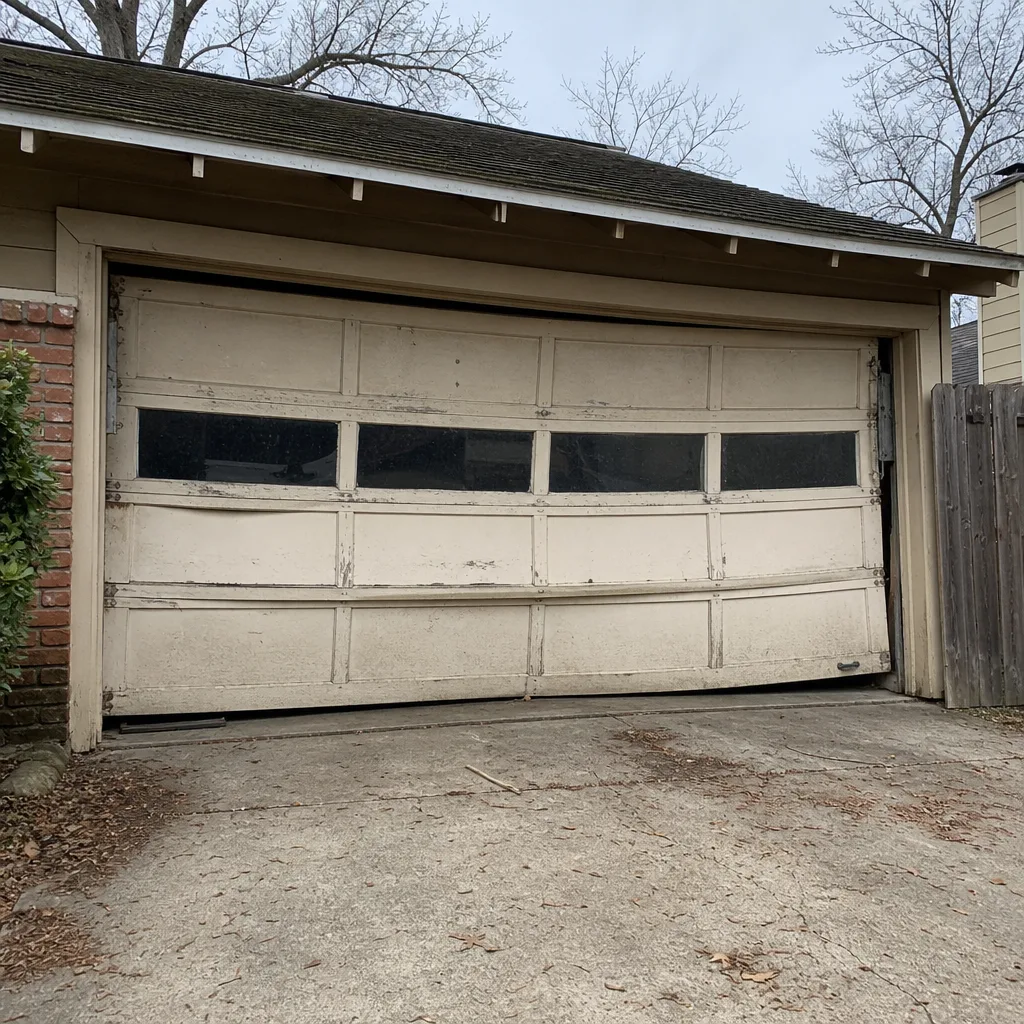 Before
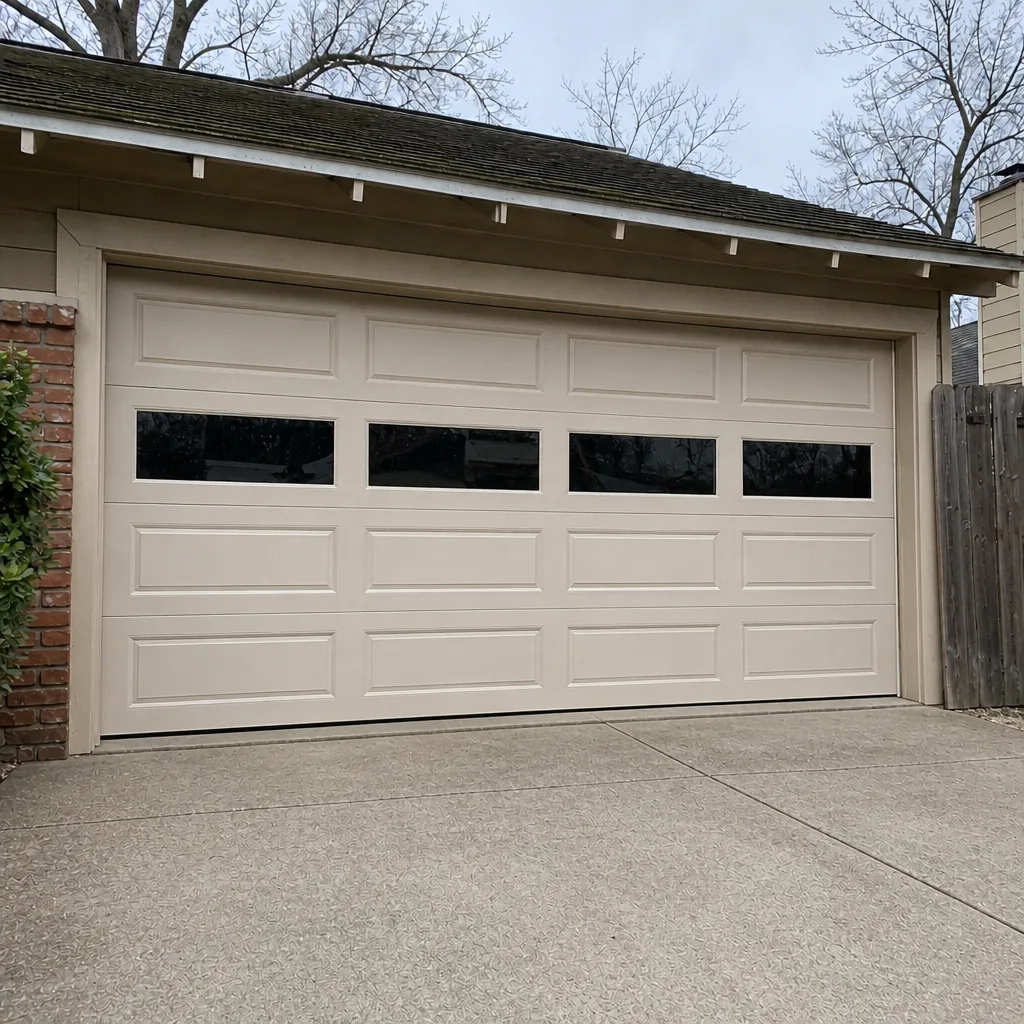 After
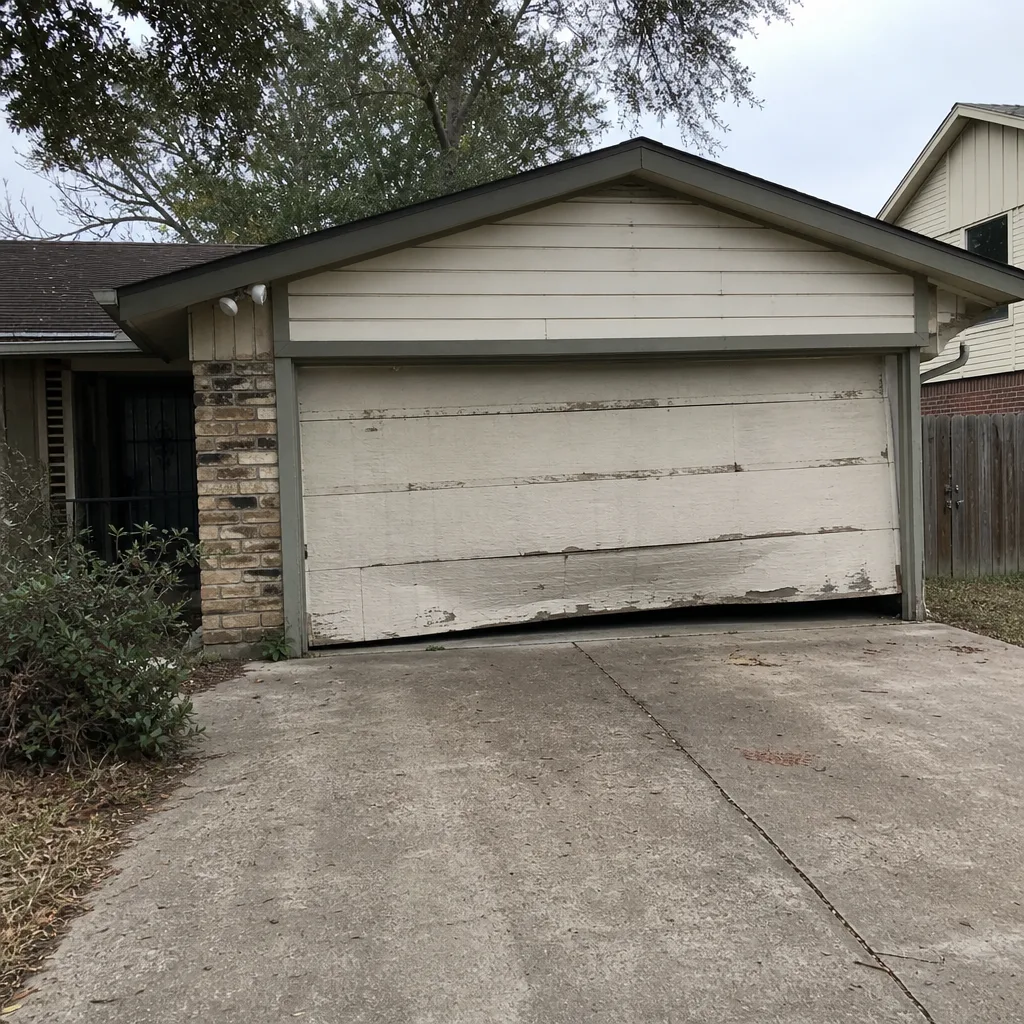 Before
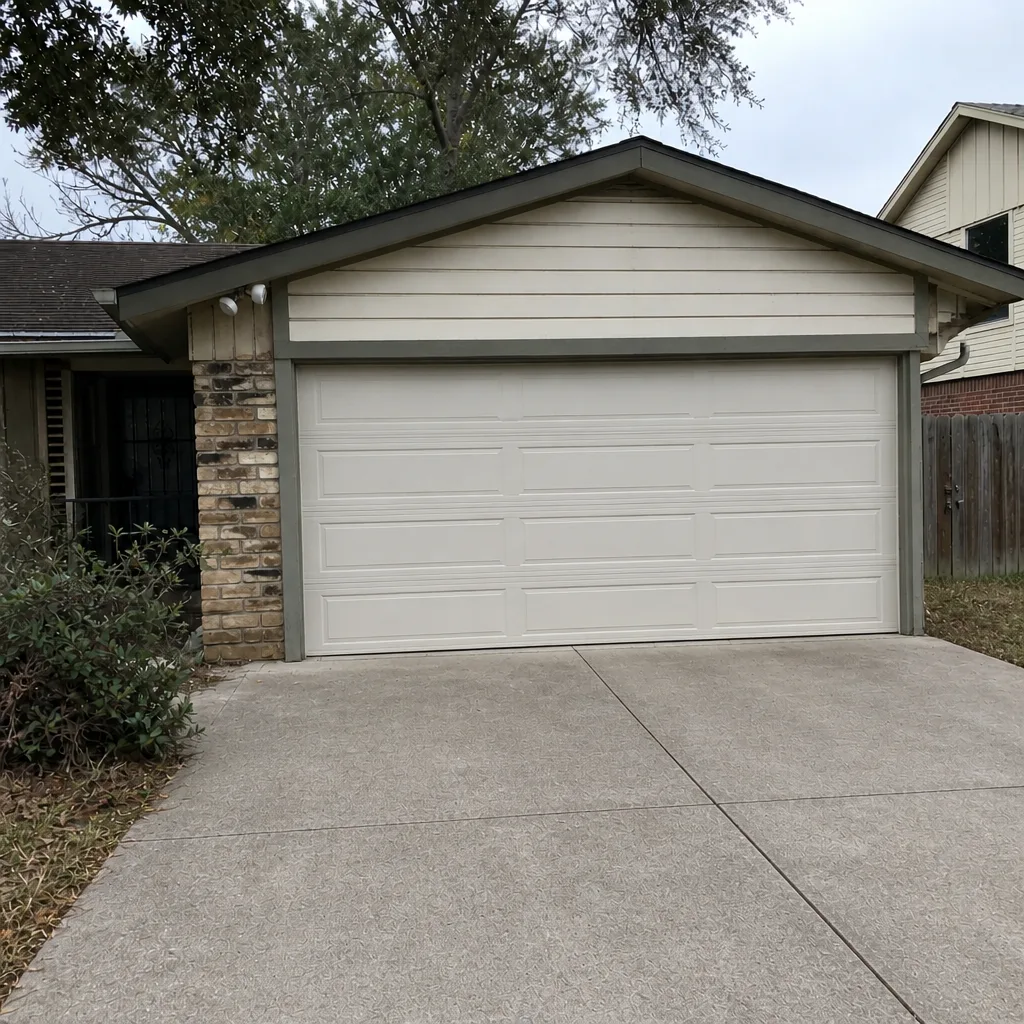 After
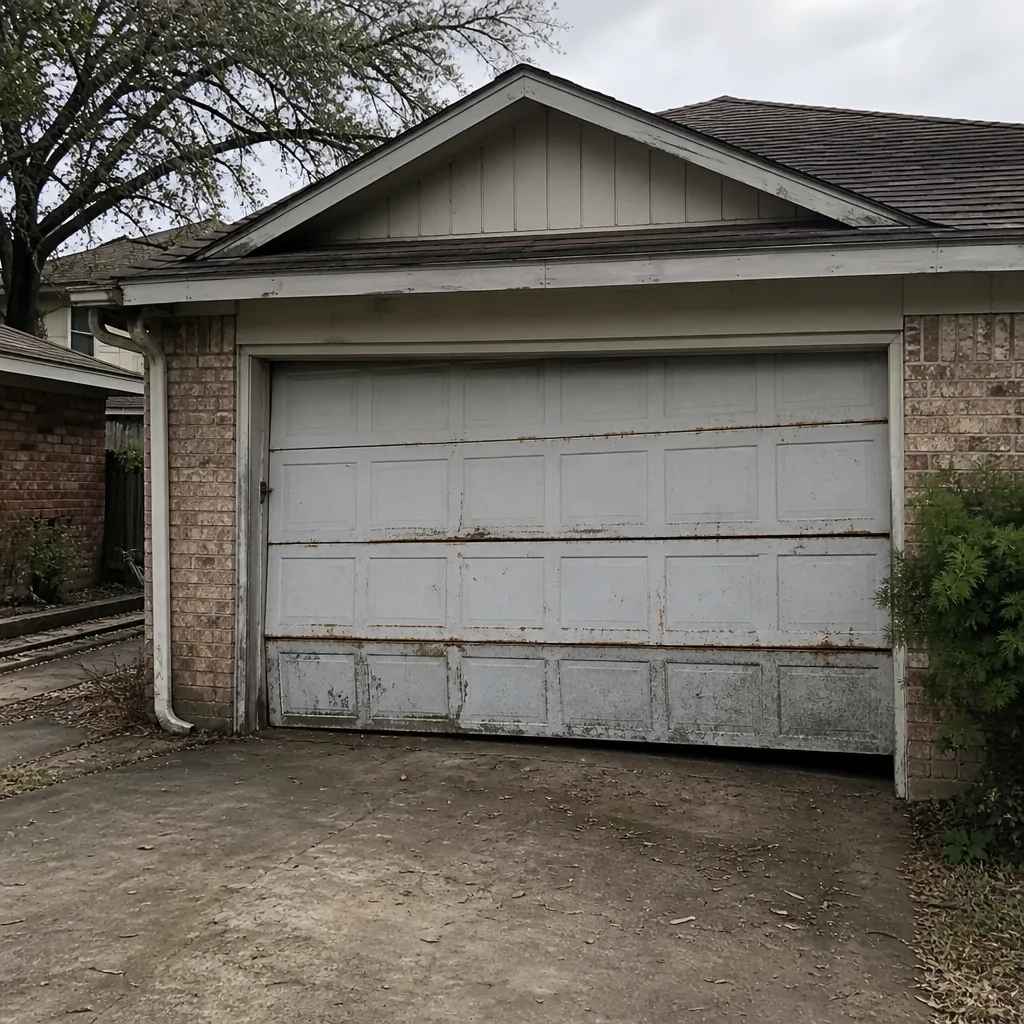 Before
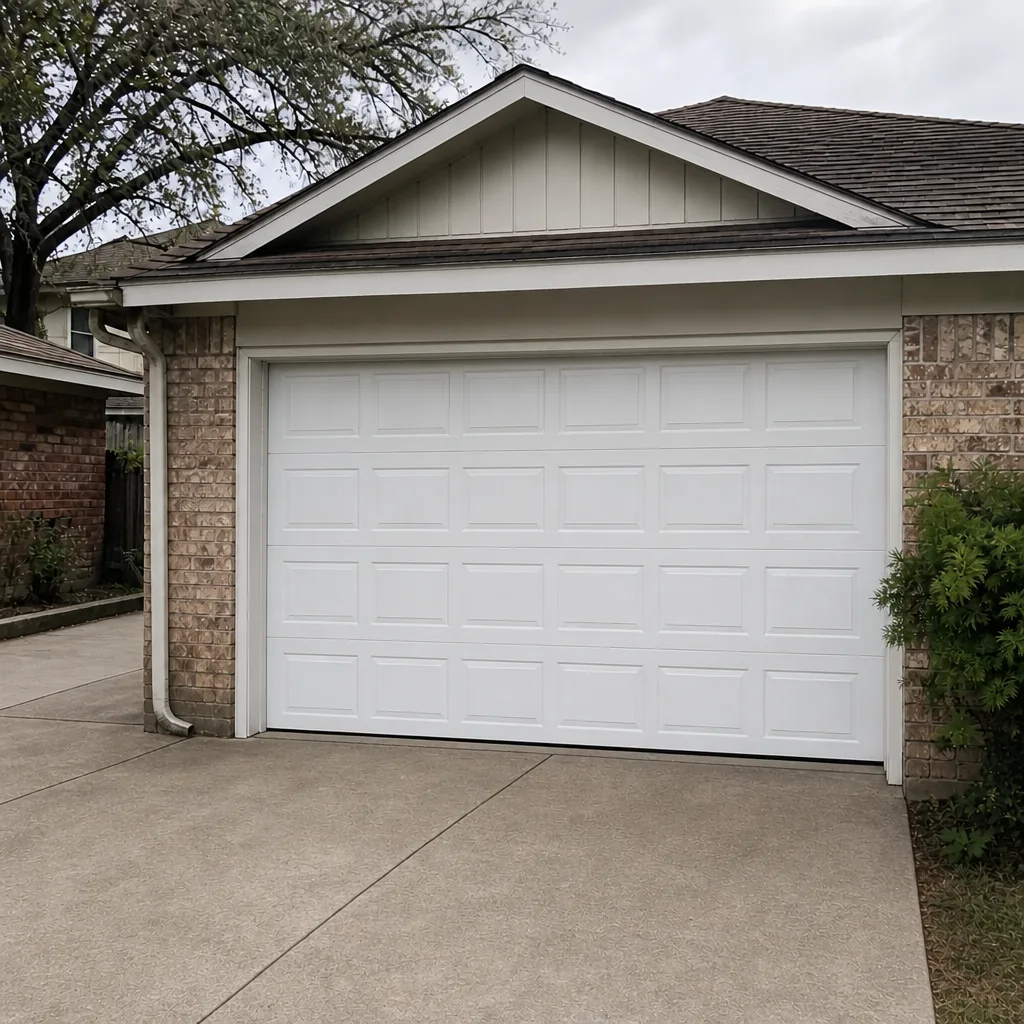 After
When to Call a Professional
A permitted job is not a homeowner job. Anyone touching the springs, the tracks, the structural attachment, or the opener wiring on a permitted installation is doing work that gets inspected. Springs are the most dangerous component of the whole system; a torsion spring under tension can cause serious injury, and that’s the case for the licensed professional with the right tools, not the homeowner with the right YouTube video. This is work for trained technicians. Electrical work at the panel belongs with the electrician or a crew that knows how to coordinate with the county. On the repair side, a snapped spring or a dead opener may not need a permit, but the parts sourcing and the air-gap checks still separate a garage door specialist from a general handyman. Spring Branch Garage Door Repair offers free estimates in Spring Branch. Call (844) 660-0146. We answer 24/7. Fast dispatch from 7am to 7pm, Sunday through Friday. Our technicians have up to 12 years of experience.
Frequently Asked Questions
Only if the work goes beyond a like-for-like swap. In Spring Branch and unincorporated Harris County, replacing a door with the same size and configuration in the same opening typically doesn’t require a permit. Widening an opening, cutting a new opening into a wall, or converting a single door to a double is structural work and always requires a permit. Confirm with the Harris County or City of San Antonio building department for your address, and call (844) 660-0146 for a free estimate on the door or the repair work that usually goes with it.
Yes. Harris County sits in a hurricane wind zone designation, so new doors should carry a design pressure rating that matches the opening. Inspectors compare the manufacturer’s documentation to the code requirement for that specific door and size. Missing or mismatched documentation fails inspection. A written estimate for a rated door is free – call (844) 660-0146.
The permit, the structural work, the wind rating documentation, the hardware anchoring, the safety features on the opener, and any separate electrical sign-off. The inspector works from a checklist tied to the permit scope. Homeowners should keep the final sign-off, the wind load sheets, and any engineering documents together in the home’s records. If you’re not sure what needs a permit on your Spring Branch property, call (844) 660-0146 for a straight answer.
It usually shows up during the buyer’s title search or home inspection, and often not before. Unpermitted structural work on a garage opening gets flagged, and the seller ends up pulling retroactive permits and completing inspections, which costs more than the original permit would have. A pre-listing check with the county is cheap and fast. Call (844) 660-0146 for a free estimate on compliant work before the sale.
No. The permit question depends on the opening, not the brand. Widening the opening to fit a 16-foot double instead of a 9-foot single changes the header and the framing, which is structural work. A permit and usually a design professional’s sign-off are required. If you’re planning a double-door conversion in Spring Branch, call (844) 660-0146 for a free written estimate that includes a real conversation about the permit stage.
Permit fees are set by the jurisdiction, not by us, and the timeline depends on the county’s current inspection load. It’s not a next-day process, so build in a couple of weeks for structural or electrical scope. The written estimate for the installation itself is free and set per job, and the price is quoted and agreed before any work starts. Call (844) 660-0146 for an estimate.
The Bottom Line
The permit question on a garage door in Spring Branch comes down to two things: is the door the same as what’s being replaced, and does the work touch the structure? If the door is the same and the opening is unchanged, most replacements are exempt. If the opening is being widened, added, or converted, the work needs a permit, and a wind-rated door with matching documentation makes the inspection straightforward. Unpermitted work tends to surface at resale or with an insurer, and fixing it later costs more than doing it right the first time. If a concern comes up, the county is the better source than a rumor; the installation is straightforward when the process is followed in order.
Call (844) 660-0146 for a free estimate on a garage door installation, a repair, or a spring replacement in Spring Branch. We answer 24/7. Fast dispatch from 7am to 7pm, Sunday through Friday. Our technicians have up to 12 years of experience, and they work on the door and opener you already have – Clopay, Amarr, Chamberlain, Genie and the rest of the brands installed in Spring Branch homes. We pull the process in order, we confirm the wind rating before we install, and we hand over the paperwork. A written estimate comes first, and the agreed price is the price.
Written by the team at Spring Branch Garage Door Repair.