
Last updated November 21, 2026
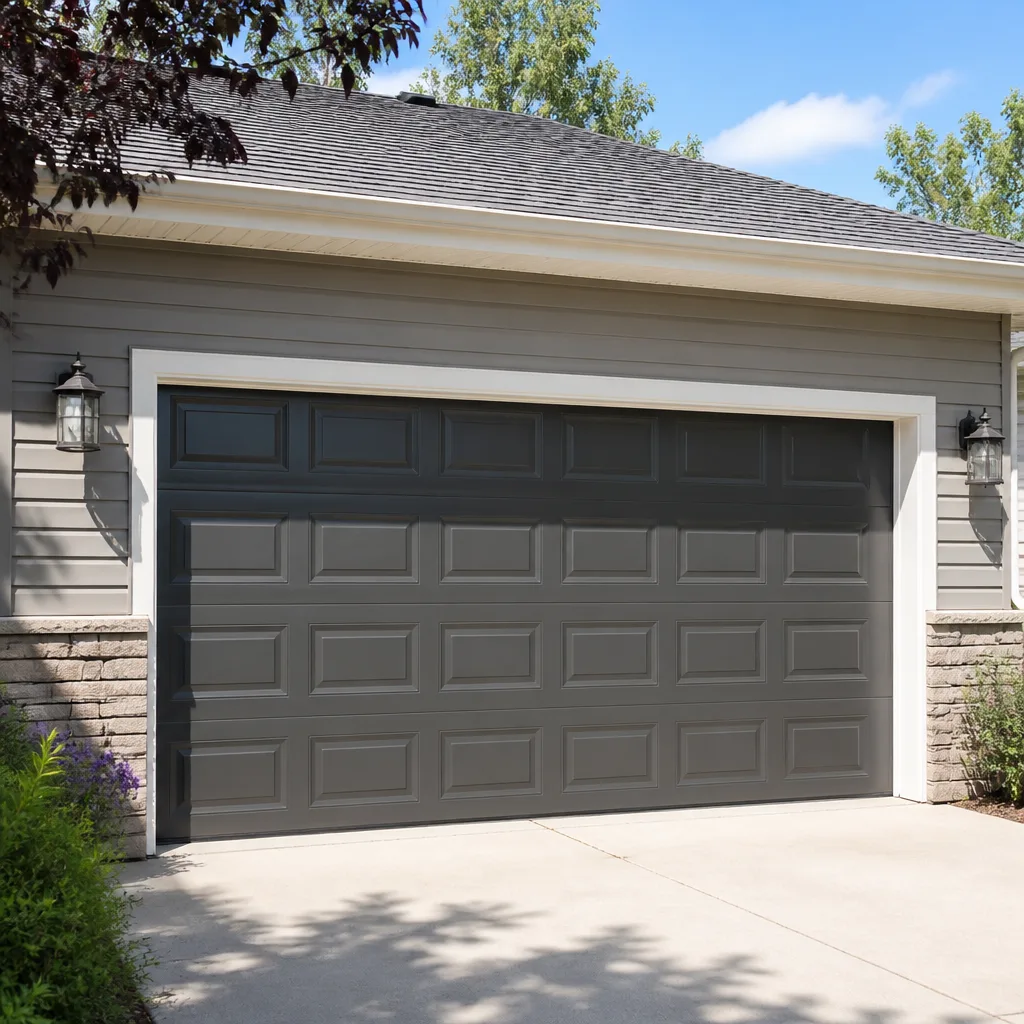 Raised-panel steel
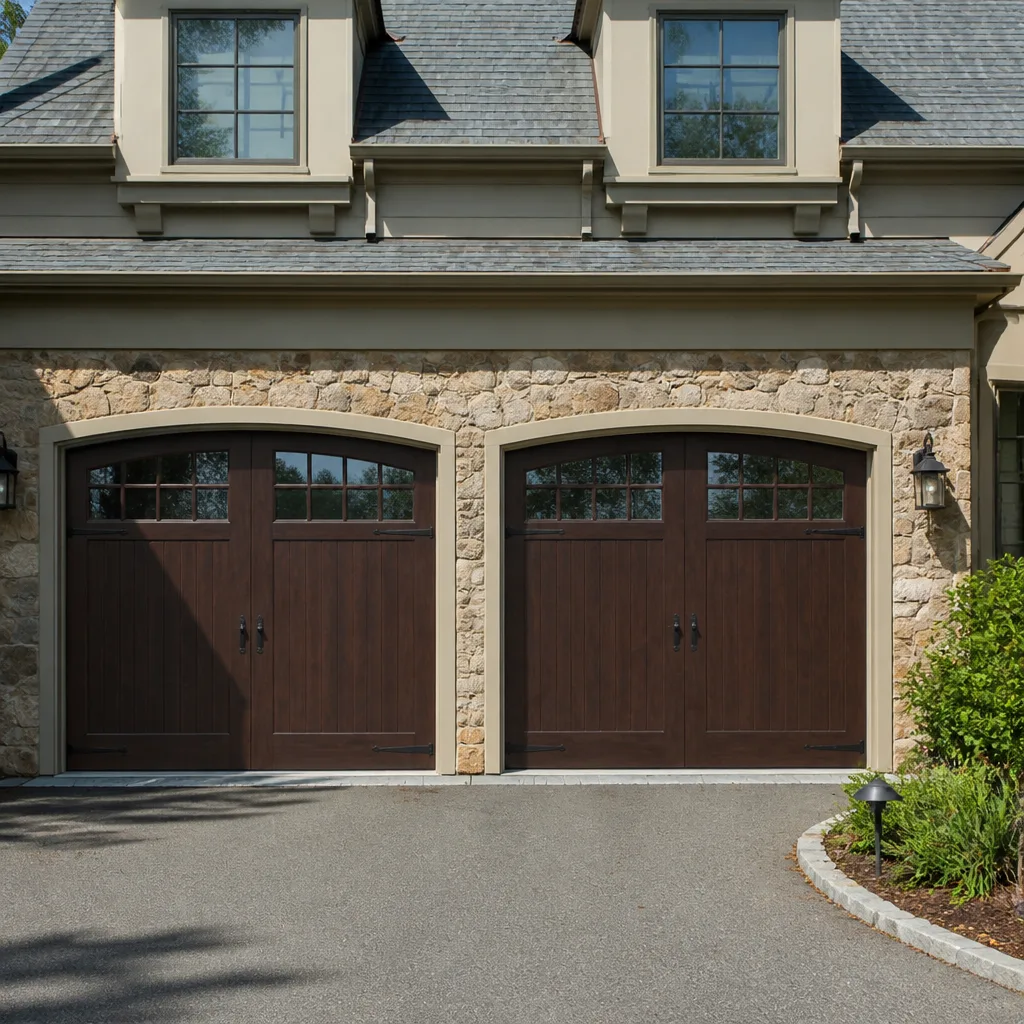 Carriage house
 Modern flush
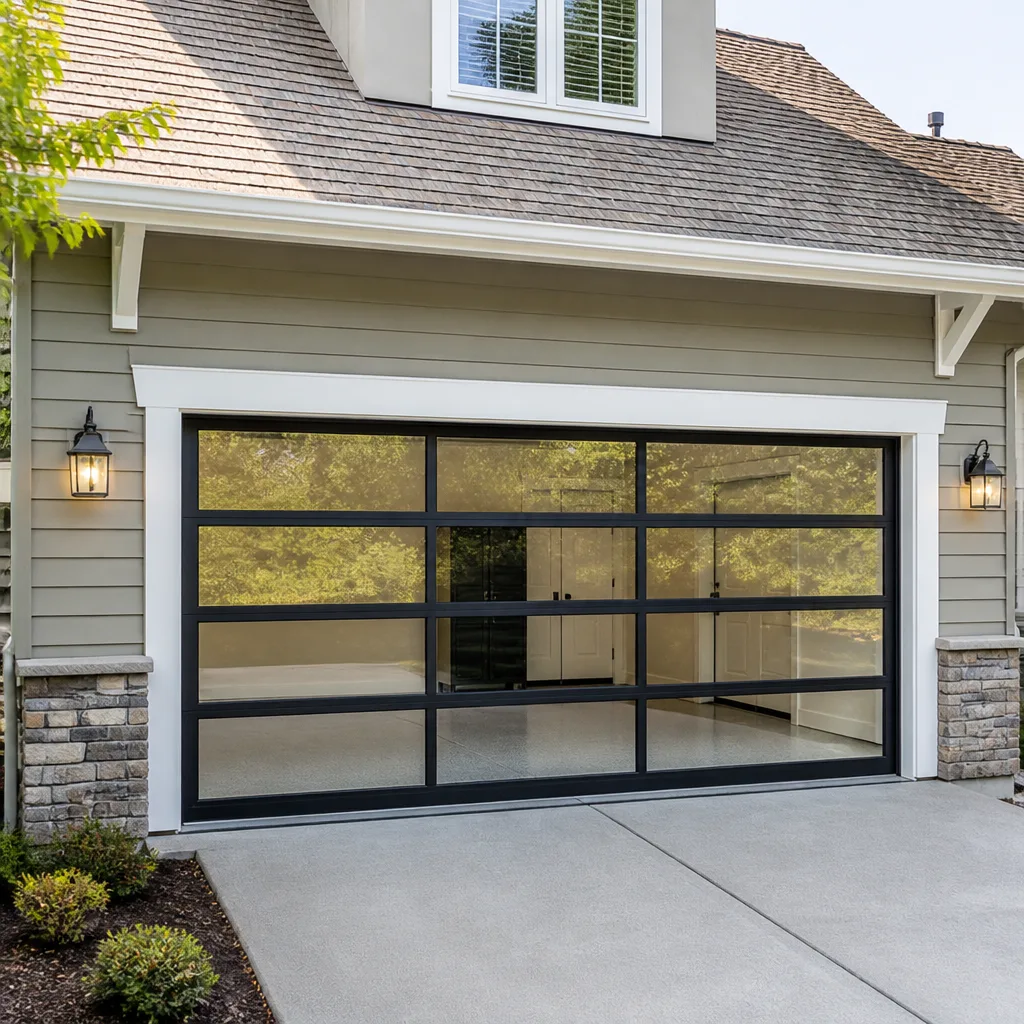 Full-view glass
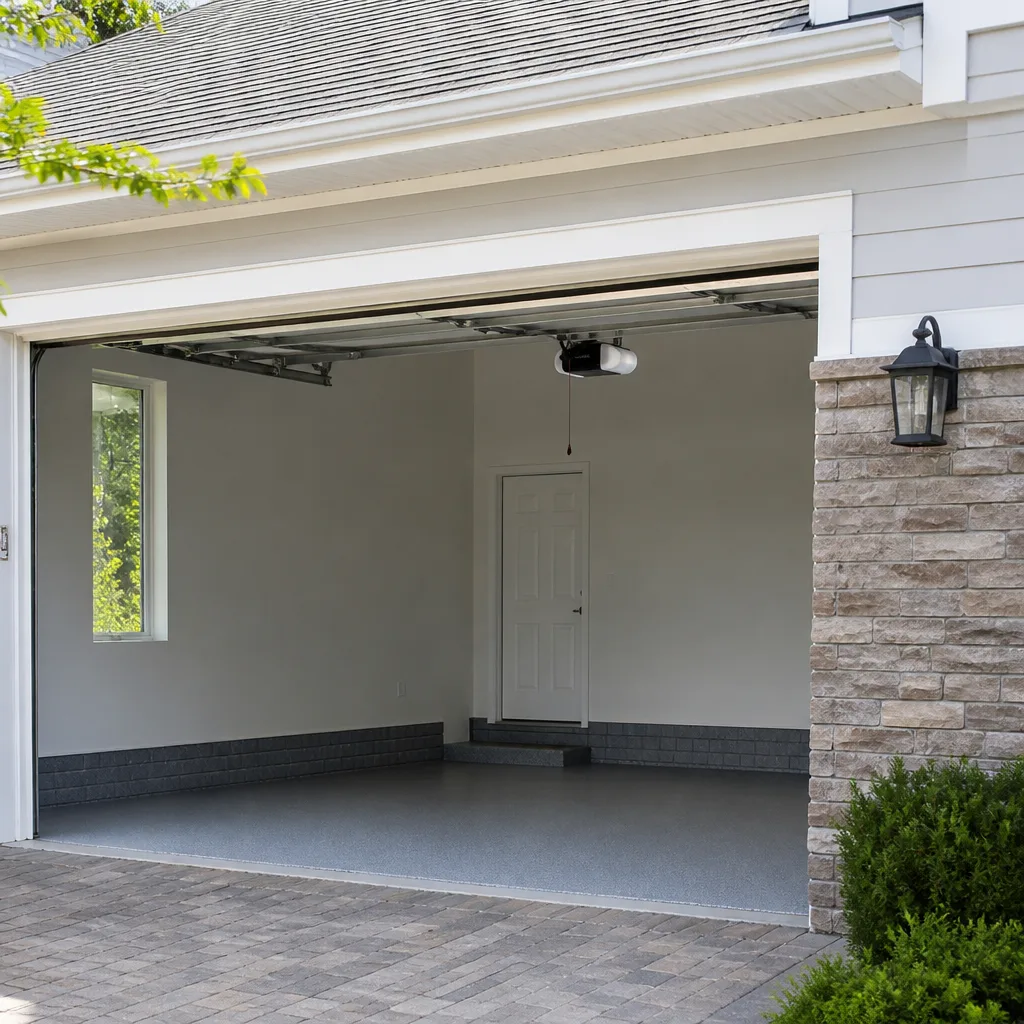 LiftMaster openers
 Chamberlain openers
Full 25-point door and opener safety check with every visit - springs, cables, rollers, tracks, and your LiftMaster or Chamberlain opener included
You get a price before we start. It does not change when the pro arrives.
Get your free estimateGarage Door Repair Maintenance Checklist for Spring Branch Homeowners
The most common garage door emergency isn’t really an emergency. It’s a slow failure that gave weeks of warning that nobody recognized. A cable that started to fray at the drum. A door that began opening a little slower each month. A roller that flattened and started grinding on the track. By the time the door stops moving, the visible evidence was often there for a while if anyone had known what to look for.
So this isn’t a generic “check your door once a year” list. Every checkpoint below pairs the inspection with the failure picture: what bad actually looks like, whether it’s something you can handle safely at home, and the point at which it stops being a homeowner task and becomes a call. We’ll cover what’s genuinely DIY-safe, how to run the door balance test and read the result, how Spring Branch’s humid Gulf-adjacent climate shortens maintenance intervals compared to drier parts of Texas, and how to keep a simple service log that catches patterns before they become breakdowns.
Quick Answer
A garage door maintenance checklist for Spring Branch homeowners should be run monthly for lubrication and a visual once-over, and in depth twice a year for the balance test, hardware tightening, and weather seal inspection. Homeowners can safely handle lubrication, visual inspection, and the balance test themselves. Spring tension adjustment and cable work are professional-only jobs, because a torsion spring under load can release stored energy fast enough to cause serious injury.
The single most useful checkpoint is the balance test. It tells you more about spring wear than any visual inspection, and it takes two minutes.
Styles & brands we work with
- Raised-panel steel
- Carriage house
- Modern flush
- Full-view glass
- LiftMaster openers
- Chamberlain openers
Table of Contents
- The Full Spring Branch Maintenance Checklist, Checkpoint by Checkpoint
- What’s Safe to Do Yourself vs. What Needs a Technician
- How to Run the Balance Test and What the Result Tells You
- Why Spring Branch Humidity Sets Your Maintenance Schedule
- The Garage Log: A Simple Way to Catch Failures Early
- Opener Maintenance: What to Check on LiftMaster, Chamberlain, and Genie Units
- Common Mistakes to Avoid
- When to Call a Professional
The Full Spring Branch Maintenance Checklist, Checkpoint by Checkpoint
Work through this list in order, from the closed door up. Roughly half the items are visual and take seconds; the rest are hands-on and need the door open or in a specific position. If you only do one pass a season, do it in one sitting rather than spread out, so you can compare what you find on the left side of the door to what you find on the right.
- Grease the torsion spring. Safe. A torsion spring across the top is a coiled metal rod; wipe it clean, then apply a light coat of garage door lubricant. What bad looks like: rust-colored dust trails across the coil, or a bright scratch line. Rust streaks mean moisture is winning. Scratches mean the spring is starting to bind and is best assessed by a technician, not you.
- Lubricate the hinges and rollers. Safe. Two or three drops of garage door lubricant on each hinge knuckle and each roller bearing. What bad looks like: rollers with a flat spot, a chipped edge, or visible bearing wear at the steel pin. Nylon rollers that look yellowed and cracking are also a sign.
- Wipe down and inspect the two lifting cables. Visual only. What bad looks like: any single wire in the braided cable sticking out at an angle (a “fishhook”), rust creeping up the wire from the drum end, or a cable that looks slack while the door is down. A fishhook or rust is a call. Don’t touch cables in tension.
- Tighten the track bolts. Safe. Run a wrench over the bolts that hold the vertical and horizontal tracks to the door frame. What bad looks like: a track with a visible bow, or one that’s leaning slightly out of vertical when you sight along it. Bent tracks are the most common cause of a door that binds and stops unevenly.
- Check the roller carriers on the hinges. Safe. Grip the hinge and see if it flexes when the door moves. What bad looks like: a hinge with a visible crack at the bend, or a roller sitting noticeably higher or lower than the rollers on either side.
- Inspect the bottom seal. Safe. Run a hand along the rubber seal that sits on the floor. What bad looks like: a seal that’s cracking, flat, or crumbling at the corner. A flattened seal lets water and insects in and stops the safety reverse from working reliably.
- Test the safety reverse. Safe. Place a 2×4 flat on the floor under the door, close the door with the wall button, and watch it reverse when it meets the board. What bad looks like: the door pressing down on the board briefly, or stopping without reversing. That is an alignment or sensor issue, not a cosmetic one.
- Test the photo-eye sensors. Safe. Wave a hand between the sensors at the base of the door to break the beam; the door should reverse. What bad looks like: an amber or red sensor light that’s off instead of steady, or that flickers when the sun hits it. Blown bulbs, misalignment, or fogged lenses are the usual causes.
- Run the balance test. Safe. Covered in detail below.
- Inspect the opener’s safety labels and manual release. Safe. Look at the release cord on the door’s lift arm. What bad looks like: a release handle hanging too high to reach, or a cord that’s frayed where it meets the door.
If a checkpoint turns up a rust line, a fishhook, or a hinge crack, note it in your log (below) and call for garage door repair. Those three findings are the ones that tend to progress into a full stop rather than staying stable.
What’s Safe to Do Yourself vs. What Needs a Technician
This is the part most checklists skip, and it’s the part that keeps people out of the emergency room. Garage doors run on stored mechanical energy, and some components can release that energy even when the door is closed and the opener is unplugged. Here’s the line:
Safe to handle yourself
- Lubricating springs, hinges, and rollers
- Wiping down and visually inspecting cables (no pulling, no tightening)
- Tightening track bolts, with the door down
- Cleaning photo-eye lenses
- Testing the safety reverse and balance test
- Replacing a garage door opener light bulb or backup battery
- Checking and renewing the bottom seal
Professional-only
- Adjusting or replacing a torsion spring
- Adjusting or replacing an extension spring
- Replacing or tightening a lifting cable under tension
- Straightening a bent track that’s already carrying door weight
- Replacing a torsion tube or center bearing plate
The reason spring and cable work sits on the “call” side isn’t that it’s complicated in a way an experienced homeowner can’t learn. It’s that a torsion spring can be holding several hundred pounds of door weight in tension, and the tool that adjusts it is designed to be released from a safe distance. A sudden slip on a loaded spring can strike with enough force to break a wrist or worse. There’s no small version of that risk. For Spring Branch homeowners, our advice on this is simple: springs and cables are one of those jobs where the tool cost plus the injury exposure makes calling a specialist the cheaper option almost every time.
Spring replacement done by a trained technician is a routine job. Spring replacement done by someone holding the winding bar wrong is not. It’s worth saying plainly: it’s not worth learning the difference the hard way.
How to Run the Balance Test and What the Result Tells You
The balance test measures how well the spring system is carrying the door’s weight. It catches spring wear weeks or months before the spring fails outright, so it’s the highest-value check on your list.
- Close the door and disconnect the opener. Pull the manual release cord hanging from the door’s lift arm. This releases the door from the opener so it moves freely.
- Raise the door about halfway by hand, roughly four feet off the floor.
- Let go. The door should sit still in that position.
- Read what happens. If it stays steady, the springs are carrying the weight correctly. If it drops toward the floor, the springs are losing tension. If it drifts up toward the opener, the springs are over-tensioned.
What an off-balance result tells you: the springs are no longer matched to the door’s weight. A door that drops a foot before catching is a door whose spring is already significantly weakened or cracked, even if the crack isn’t visible. A door that drifts uphill is being lifted by springs with too much tension, which puts extra load on the opener motor and shortens its life. Either result is a call for spring repair – not a spring adjustment you attempt yourself.
Repeat the test after the first rainy week of the season, since humidity-driven spring rust progresses fast enough in Spring Branch to change the result between seasons. If the result flips from steady to dropping within one season, the spring is telling you it’s close.
Why Spring Branch Humidity Sets Your Maintenance Schedule
Spring Branch sits close enough to the Gulf that the air carries real moisture most of the year. That changes two things about garage door maintenance compared to drier parts of Texas: hardware corrodes faster, and lubrication intervals get shorter.
Shorter lubrication intervals
In a dry climate, lubricating hinges and rollers twice a year is often enough. In Spring Branch, plan on once a month during the humid months and once every two months through the drier stretches. The reason: humid air thins and displaces grease more quickly, and once a bearing starts running dry, it starts wearing the roller into a flat spot. That flat spot becomes a grind on the track, and the grind becomes a bind. The whole chain can move from “needs grease” to “needs a new roller set” faster than it would in Amarillo or El Paso.
Salt air and the Gulf
If your home sits within driving distance of the bay or the coast, salt in the air accelerates rust on the springs, cables, and the metal track. You’ll see it first as rust dust at the coil ends of the spring, then as a brown line along the cable where it enters the drum. Bare metal fittings on the door’s hinges and bearings also rust faster than they do further inland. Wiping the track down with a dry cloth monthly and greasing the torsion spring more often helps slow the pattern, but the more important behavior is checking, not cleaning.
Rain-driven humidity
After a hard rain, the garage itself picks up moisture. The bottom seal wears faster when it’s wet, and a curling rubber seal lets water reach the door’s bottom panel, where the metal-to-metal joints are slow to dry. Check the seal after the first heavy rain of the season. If it’s flat or cracking, replace it before the next round.
The Garage Log: A Simple Way to Catch Failures Early
A garage door fails in patterns, and patterns are only visible if you write them down. A single grindy hinge is a one-off. A hinge that starts grinding in August, gets greased, and is grinding again by October is telling you it’s reached the end of its service life, and it’s cheaper to replace it now than to replace the door panel it’s wearing into.
Keep a small notebook with a pencil hanging inside the garage near the door. Note six columns:
- Date
- What you did (greased, tested, replaced)
- What you found (steady tension, slight drop on balance test, seal curling)
- Who did it (homeowner or technician)
- What was replaced, if anything
- Next check date
Three months of notes will usually reveal a pattern faster than any single inspection. If you see “greased hinge” logged three times for the same hinge with grinding coming back each time, that hinge is done. If the balance test result drops from steady to slight drop across two seasons, the spring is on its way out and you can plan the replacement instead of waiting for a Friday night failure.
The log also tells a technician what to look at first when you call. A few lines on a page beats a five-minute phone diagnosis almost every time.
Opener Maintenance: What to Check on LiftMaster, Chamberlain, and Genie Units
Opener motors are usually the last part of the garage door system to fail, and when they do, the real cause is often something upstream of them: a dry bearing, an unbalanced door, or a worn safety sensor. A little open-opener maintenance goes a long way, especially because a motor working against a heavy door wears out its gears and internal drive faster.
Monthly checks on any opener
- Test the safety reverse by placing a board under the closing door
- Check that both photo-eye sensors are lit and unobstructed
- Look at the manual release cord – it should be reachable, intact, and hanging free
- Watch the door travel up and down; listen for new grinding or rattling
Every six months
- Open the light lens and check for burned-out bulbs
- Wipe the photo-eye lenses with a soft cloth – Spring Branch pollen and humidity film them over
- Test the battery backup on any opener that has one, by cutting the breaker briefly
- Check the wall button and remotes for battery life
Brand-specific notes
On a LiftMaster or Chamberlain opener (they share the same MyQ ecosystem), most connectivity and sensor problems turn out to be a wifi signal issue in the garage rather than a board failure. On a Genie, the safety reverse sensors are sometimes more sensitive to sunlight, and a lens angle adjustment fixes a lot of “won’t close” calls. On a Clopay door paired with a modern smart opener, the door’s weight distribution matters more than people realize, and an unbalanced door on a smart opener often reads on the app as an opener fault when the real problem is the springs. For garage door opener repair, it’s worth knowing the brand before you call, so we can bring the right parts.
We work on LiftMaster, Chamberlain, Genie, Craftsman, and the other brands you’re most likely to find on a Spring Branch garage. Our technicians have up to 12 years of experience, and because we stock and sell garage door parts directly, an opener that needs a gear or a travel module can often be sorted on the same visit.
Common Mistakes to Avoid
These are the mistakes we see most often, and most of them turn a routine maintenance job into a more expensive repair.
- Greasing the tracks. Tracks should be wiped clean and dry, not lubricated. Grease on the track collects dust and the rollers slide instead of roll, so the door binds and the motor works harder. Grease the rollers and hinges, not the track.
- Testing the balance test with the door still connected to the opener. The opener needs to be released, or the motor holds the door in place and you get a “steady” result that means nothing.
- Winding a torsion spring “just a little more”. A door drifting up is over-tensioned, not under; adding tension compounds the problem and can crack the spring while you’re holding it. Never adjust a torsion spring with anything other than the proper winding bars, and if you don’t own the bars, don’t attempt it at all.
- Waiting for a spring to break before replacing it. In Spring Branch humidity, a spring that feels tight on the balance test in spring can be cracked by fall. If the balance test result is dropping along with a rusty spring, schedule the replacement (a pair, replaced together) instead of waiting.
- Ignoring a single fishhook wire in the cable. One wire sticking out at a drum is the earliest warning of a cable that will snap. It’s a $0 fix to notice, and a much bigger job once it fails.
- Skipping the safety reverse test because the door “works fine”. A door that runs smoothly but doesn’t reverse on contact with a board is a door that will hit a child, pet, or car. Test it every month with the 2×4.
- Trusting the opener app over the door. A smart opener that reports “door did not close” repeatedly is often reading an unbalanced or binding door, not an opener fault. Get the balance test done first before you replace the opener.
When to Call a Professional
Call a professional the moment you see any of these: a broken or sagging torsion spring, a visible crack in the spring coil, a fishhook in either lifting cable, a sensor that won’t stay aligned, a door that reverses partway up before it reaches the top, or a balance test that shows a visible drop. Those are all signs the door is carrying weight it wasn’t designed for, and each of them can progress to a full stop if left alone.
Call us sooner if the door is completely stuck, the opener runs but doesn’t move the door, or a spring looks fine but the door won’t open at all – that combination often means the cable has jumped the drum, which is not a job to troubleshoot from the ground.
For a new door that needs full replacement after a series of failed repairs, garage door installation is the call that stops the cycle.
Spring Branch Garage Door Repair offers free estimates in Spring Branch, and the price is set by the written estimate before any work starts. Call (844) 660-0146. We answer 24/7. Fast dispatch from 7am to 7pm, Sunday through Friday.
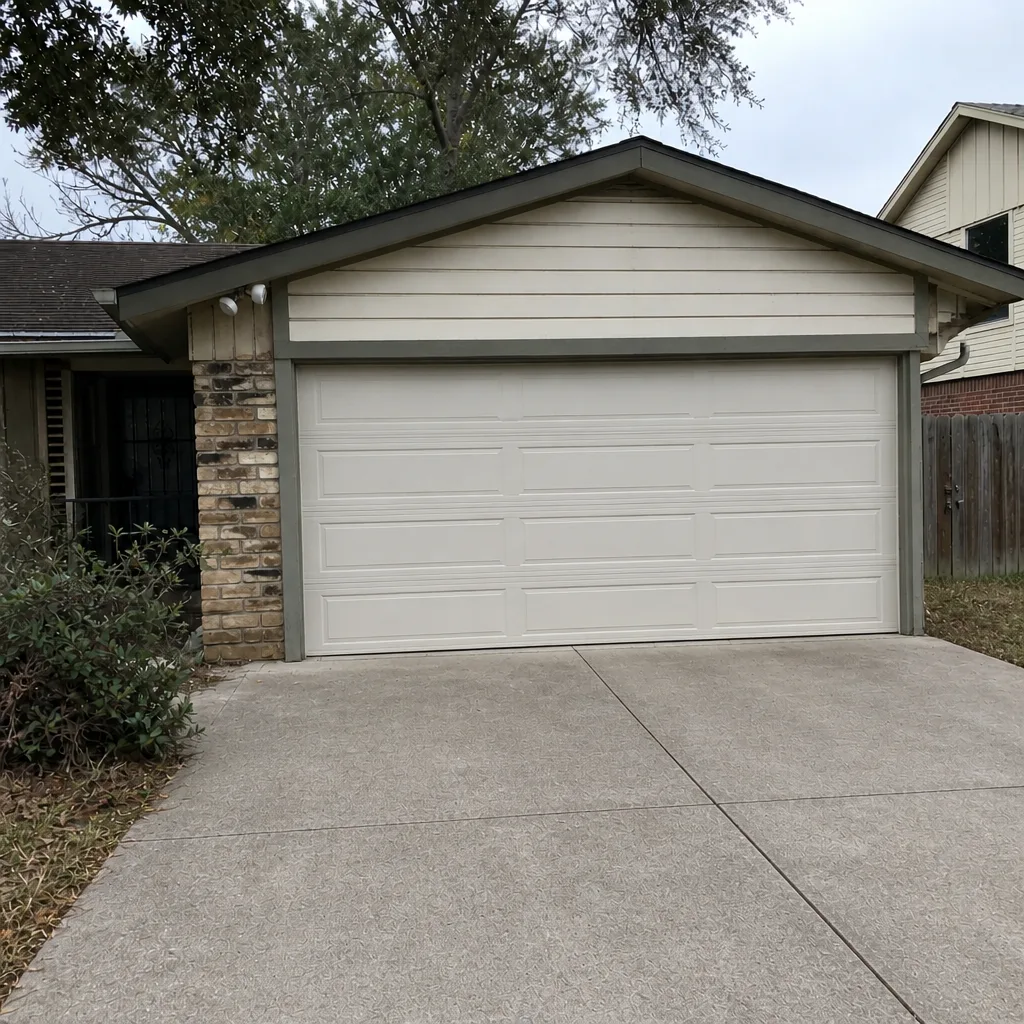
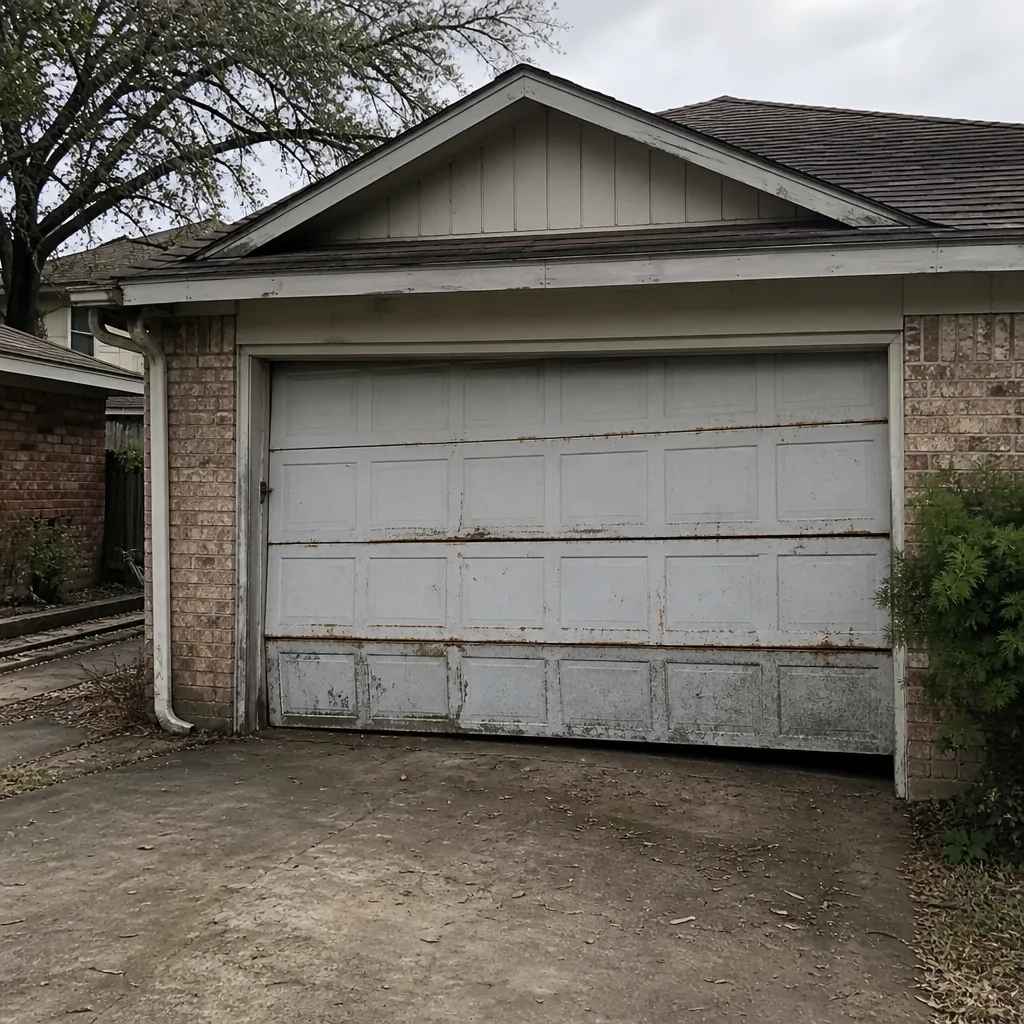
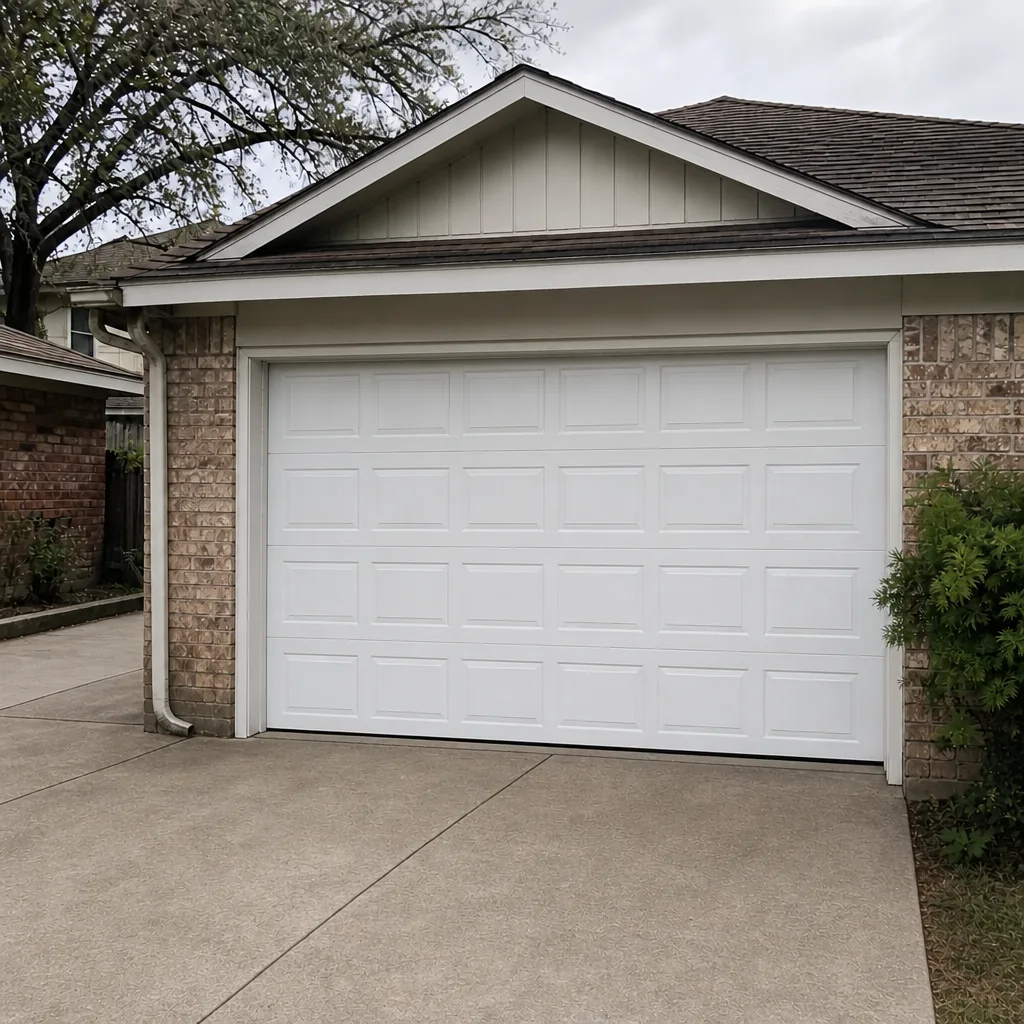
See the difference
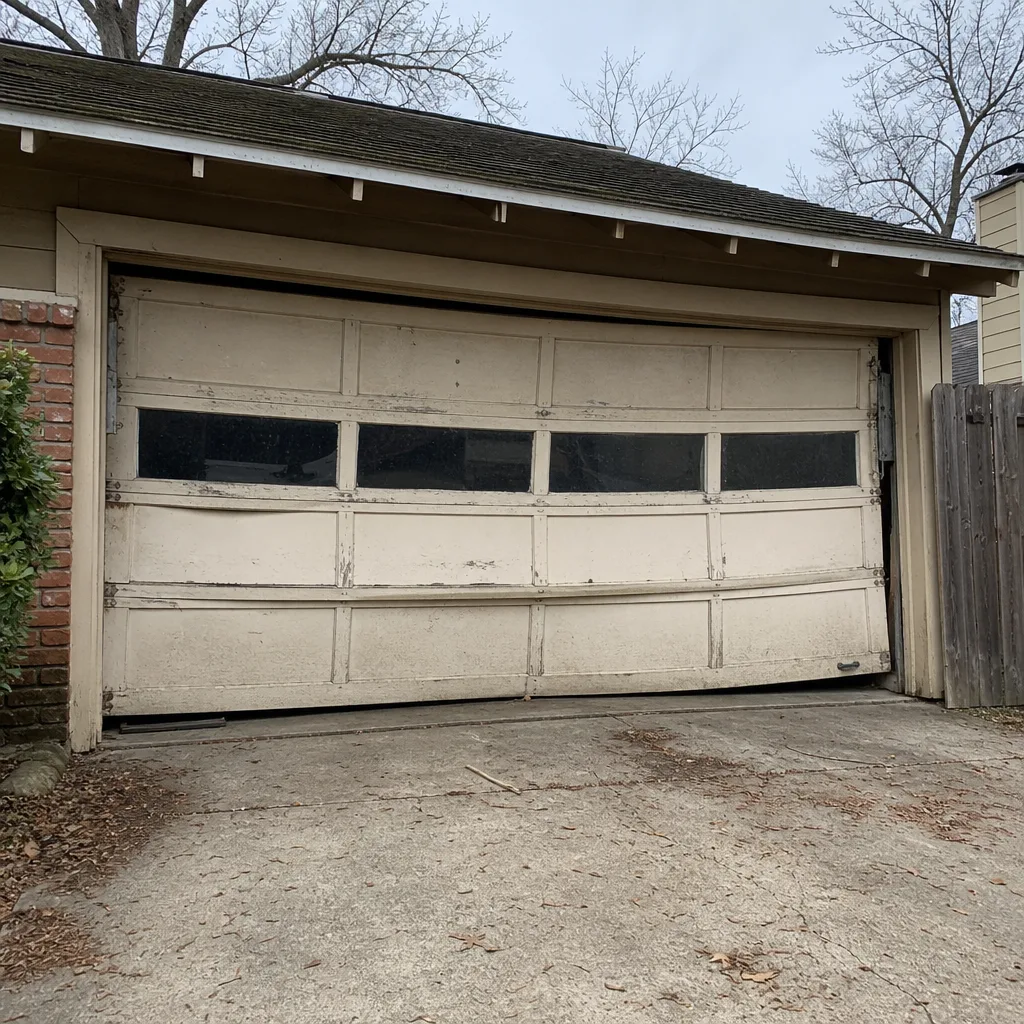 Before
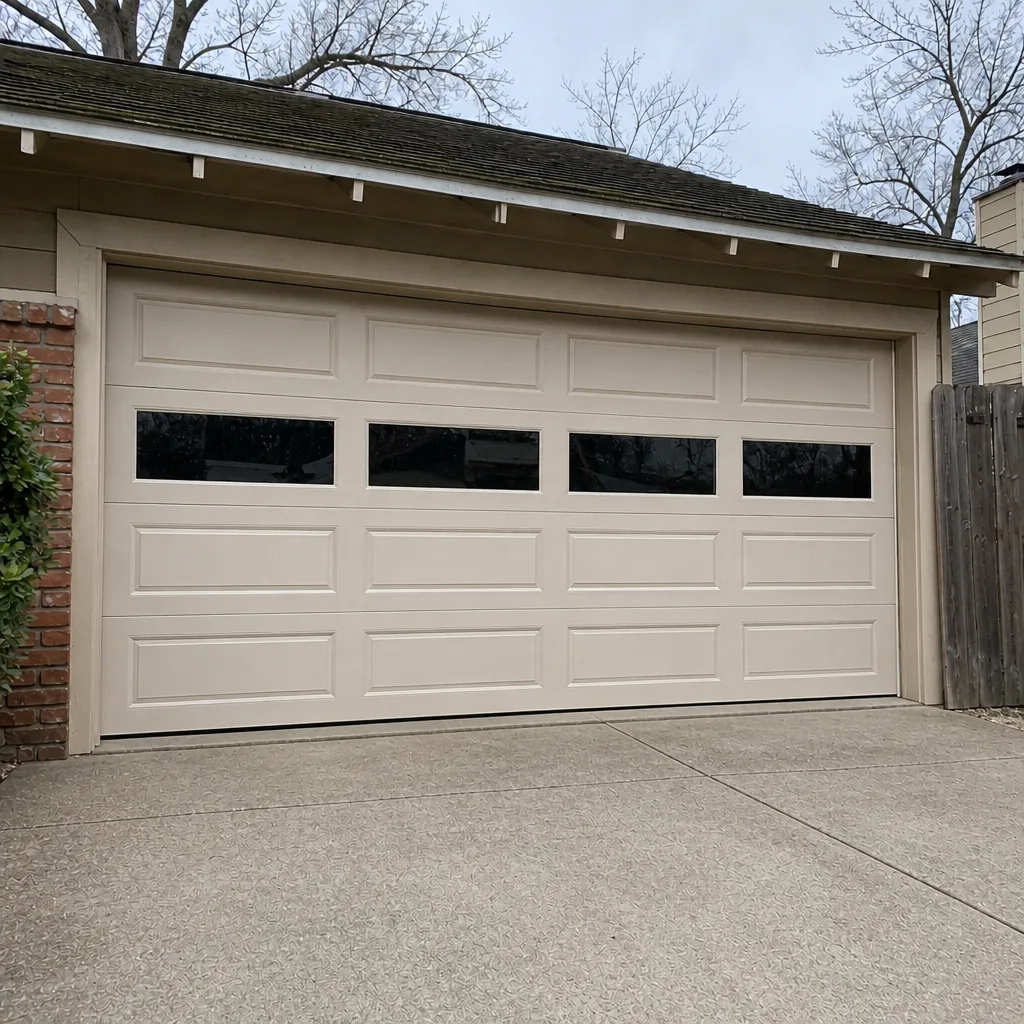 After
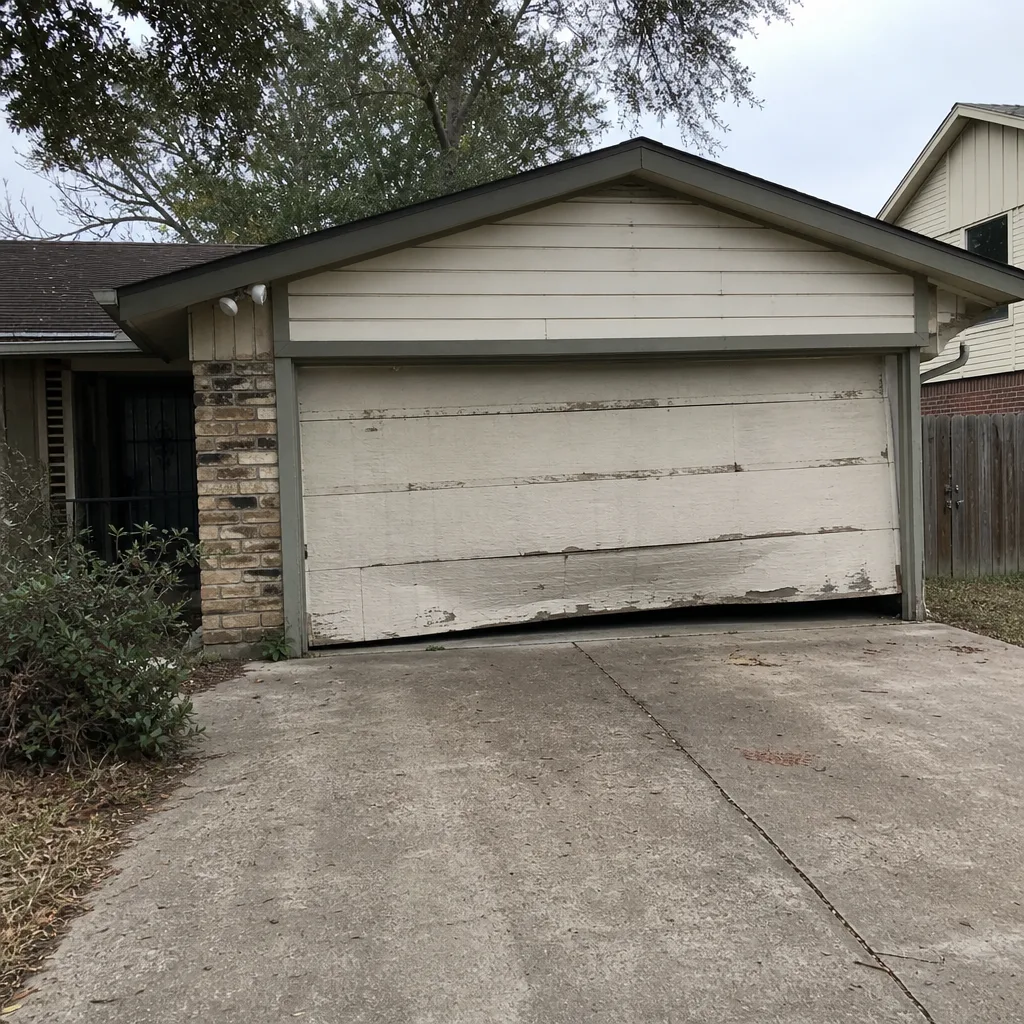 Before
 After
 Before
 After
Frequently Asked Questions
Run it every other month, and always after the first rain of a new season. Gulf humidity accelerates spring wear, so a Spring Branch door can flip from “steady” to “slight drop” faster than a door in drier Texas cities. Two minutes every other month catches it well before failure.
No. Spring adjustment is a professional-only job, even for a skilled homeowner. A torsion spring stores enough energy under tension that a slip during adjustment can cause serious injury. Our technicians have up to 12 years of experience with this exact work, and that’s the reason we tell callers to leave it alone.
Off-balance means the door’s springs are no longer carrying its weight evenly. If the door drops when you let go halfway up, the springs have lost tension and are near failure. If it drifts up, they’re over-tensioned and the opener is working harder than it should be. Either result is a call.
Any rust on a torsion spring is worth taking seriously, and rust is the most common reason a spring fails before its expected life. Light surface rust on the coil ends is normal. A rust line along the length of the spring, rust dust on the ceiling or the door, or a visible crack at any point is a call now. In Spring Branch humidity, that progression from surface rust to failure can happen within a single wet season.
No. Tracks should be cleaned and left dry. If you grease them, dust collects, the rollers slide instead of roll, and the door binds. Grease the hinges and rollers, not the track.
Sometimes, but not reliably. A smart opener that repeatedly reports “door did not close” or that runs longer than usual to open the door is often reading a binding or unbalanced door, not an internal fault. Run the balance test before you believe the app. Call (844) 660-0146 for an exact quote if you want a professional assessment – estimates are free.
The Bottom Line
A garage door maintenance checklist is only worth keeping if it tells you what bad looks like, not just what to check. The balance test is your highest-value habit: run it every other month, log the result, and let a downward trend tell you the springs are going before the door stops opening. Lubricate hinges and rollers more often than you’d think in Spring Branch humidity, wipe the track rather than grease it, and treat any rust line on the spring or any fishhook in the cable as a call rather than an observation. Leave spring and cable work to a trained technician, and use the log to make the call cheaper by giving the technician something to go on.
One call covers it all for Spring Branch homeowners – Spring Branch Garage Door Repair handles repair, opener repair, spring replacement, parts, and installation on the eight brands most commonly installed in the area. Free estimate, written price before any work starts.
Call (844) 660-0146 for a free estimate. We answer 24/7. Fast dispatch from 7am to 7pm, Sunday through Friday.
Written by the team at Spring Branch Garage Door Repair.